Table of Contents
Get our free local reporting delivered straight to your inbox. No noise, no spam — just clear, independent coverage of Marblehead. Sign up for our once-a-week newsletter.
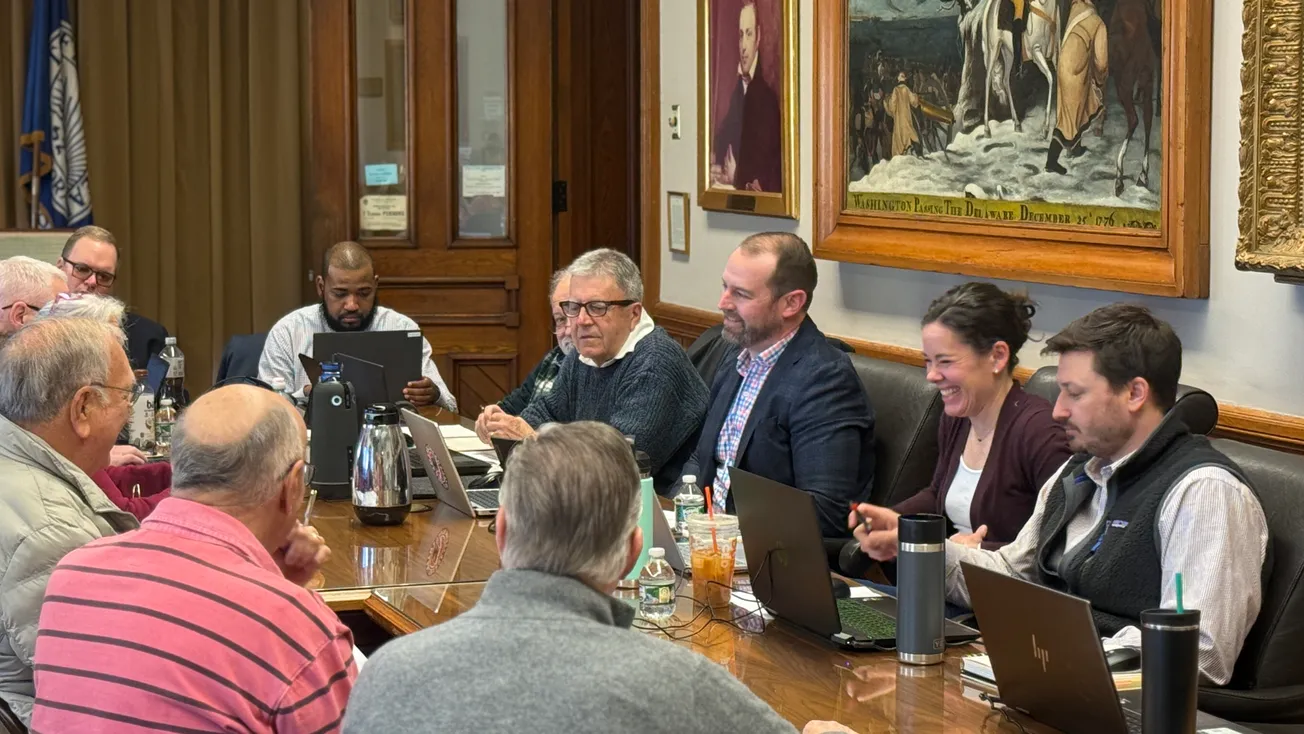
The Marblehead Harbors and Waters Board voted Monday to advance a fiscal 2027 budget totaling $1.32 million and moved forward a proposal to increase mooring fees by $2 per foot, changes that require Town Meeting approval.
The Harbormasters Department operates as an enterprise fund, a separate accounting mechanism authorized under Massachusetts General Law that allows municipalities to segregate revenues and expenditures for services funded by user fees rather than property taxes. The department generates significant revenue through mooring fees, dock charges and storage income, which support harbor operations and infrastructure.
This kind of detailed civic reporting stays free for Marblehead because readers choose to support it. We run the Independent on $80,000 a year, and 95% of every contribution goes straight into journalism. Fifty-five members currently make that possible through annual and monthly contributions, and we need to reach 100 members by Dec. 31 to keep this work strong. If this story was useful to you, please consider joining them. 🟦 Click here to become an Independent member.
Harbors and Waters Board Chair John Doub presented the budget, which includes $485,233 in salaries, $634,267 in operational expenses and $200,000 in capital outlays. The budget maintains the department’s surplus at approximately $8,000 to $9,000.
Salaries for fiscal 2027 show a 1 percent decrease from the previous year, primarily due to increased adjustments in the senior seasonal harbor assistant category that had been overbudgeted in prior years.
Operational expenses increased by $47,000, an 8 percent rise driven largely by health insurance costs and the department’s share of general government expenses, which together accounted for approximately $40,000 of the increase.
The department must pay a portion of the town’s general government expenses, which include services like human resources, finance and information technology that support all town departments. The harbor department’s share of these costs increased 60 percent this year.
The increase stems from a doubling of the town’s overall general government spending from $2 million to $4 million over the past four years, driven primarily by growth in the finance department, human resources department and Community Planning and Development, according to Doub.
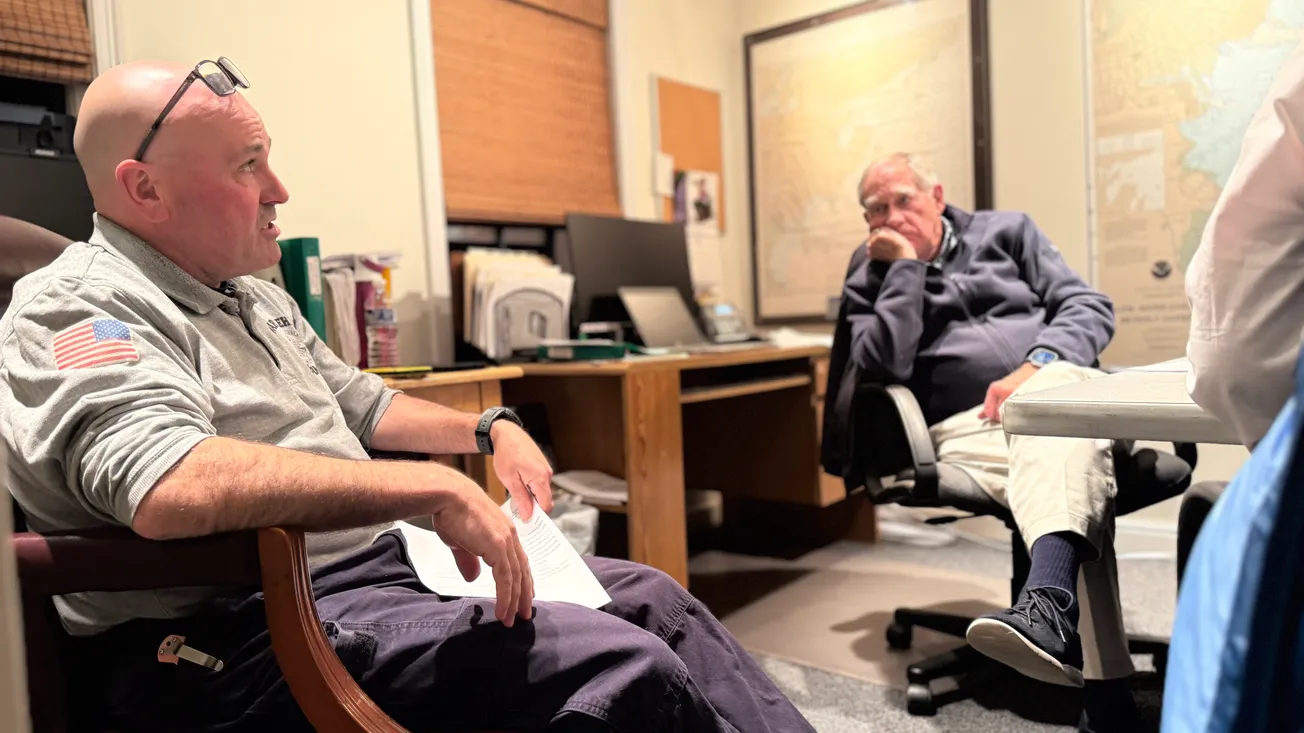
Harbormaster Mark Souza outlined $200,000 in capital projects for the coming year. The largest involves shoring up State Street piers with new cross members and cross bracing at an estimated cost of $70,000. Souza said the figure represents a worst-case scenario based on verbal quotes he received while putting the work out for bids through the town’s procurement process.
Other capital projects include construction of a new 40-foot-by-12-foot floating dock at Stramski’s Park for approximately $35,000, replacement of float number three at Tucker’s Wharf for $40,000 and replacement of the electrical service at Cliff Street for up to $15,000.
Additional spending includes $10,000 for chain work at Commercial Street, $15,000 for replacement of deteriorating no-wake and channel buoys, $10,000 for general building and grounds repairs and $5,000 for equipment for the department’s new boat.
The board voted to increase mooring permits in the main harbor from $9 to $12 per foot and in the west shore from $9 to $11 per foot. The commercial fisherman’s rate will be reduced to $7. Float permits will increase from $6.50 to $10 per linear foot.
The harbormaster is responsible for managing the harbor enterprise fund and its budget, along with the administration, operation and revenue generation associated with the town’s harbors and related facilities or properties, according to job descriptions for the position.
The department’s new patrol boat is delayed awaiting two parts following completion of its sea drive.
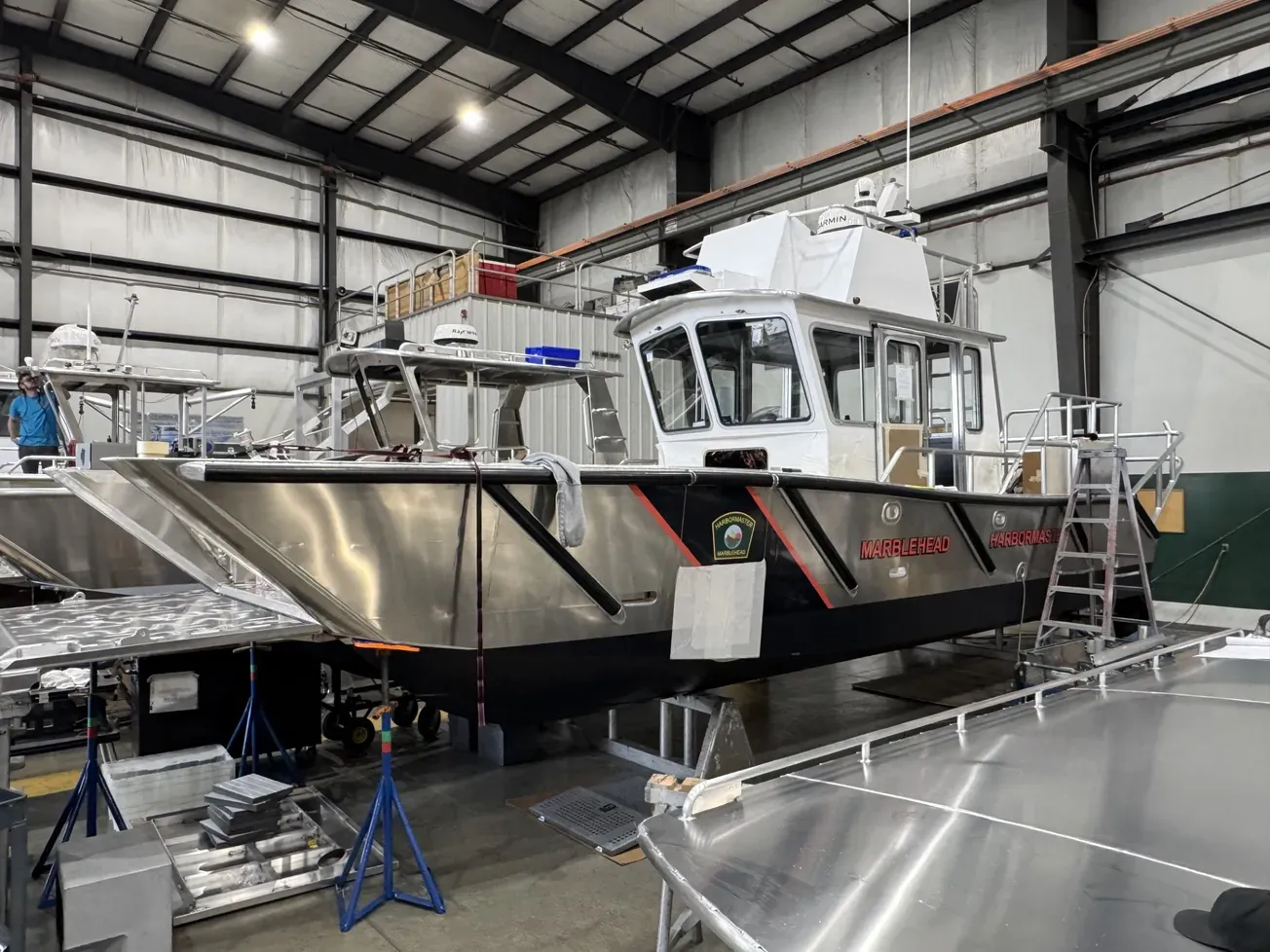
Shipping costs proved challenging. The department secured transportation at $35,000 after obtaining quotes from multiple companies ranging from $10,000 to significantly higher amounts.
“Yeah, I got some quotes from some company. I had to do three other companies. They’re charging us $10,000 grant. The cheapest price I found was $35,000,” Souza said.
The boat will ship by train from the Ohio Valley, though rail transport involves tariff changes when crossing from New York, increasing costs considerably.