Table of Contents
Get our free local reporting delivered straight to your inbox. No noise, no spam — just clear, independent coverage of Marblehead. Sign up for our once-a-week newsletter.
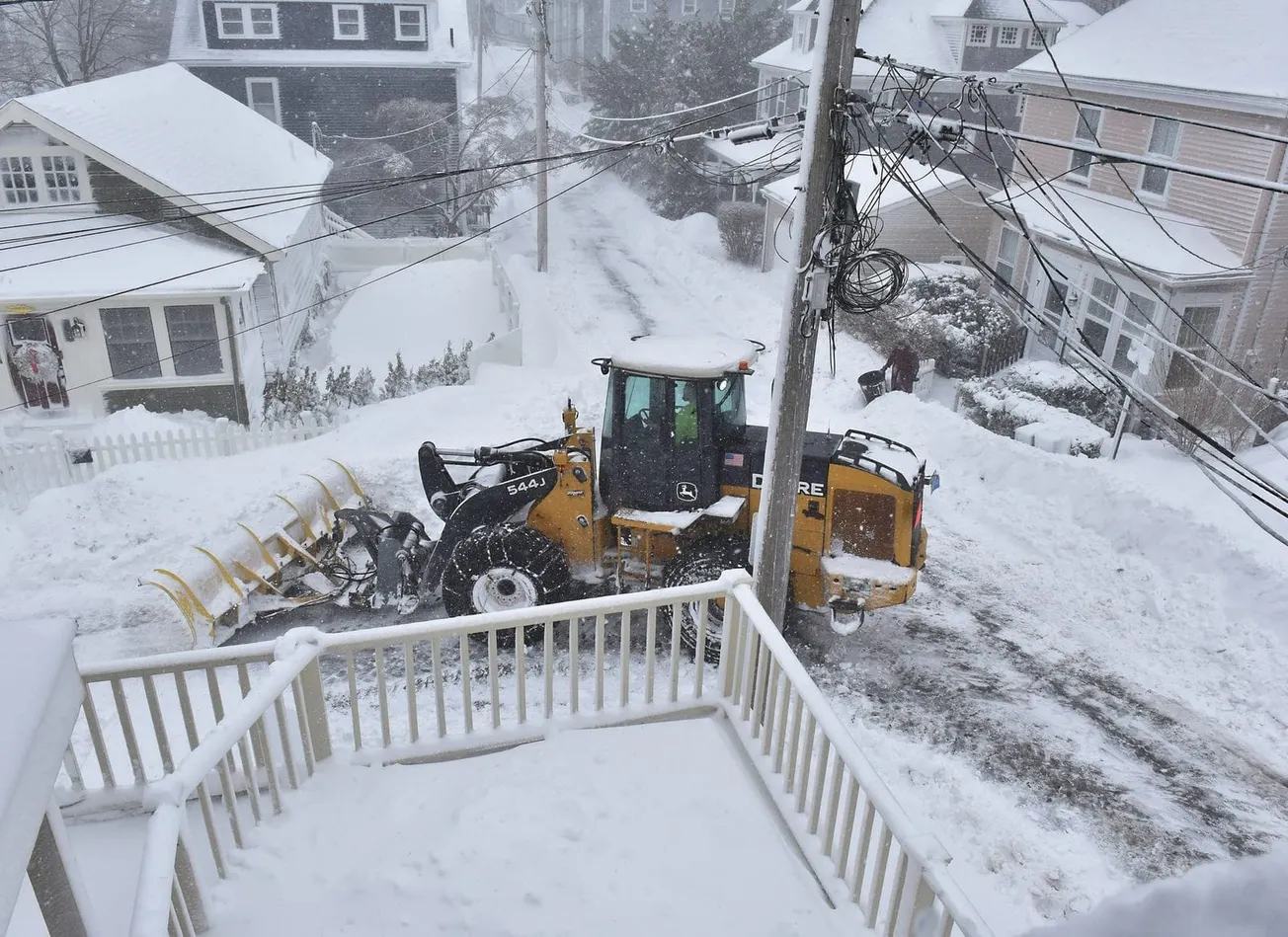
For Marblehead drivers who keep a car on the street, the forecast, not the calendar, will again decide when it has to move this winter.
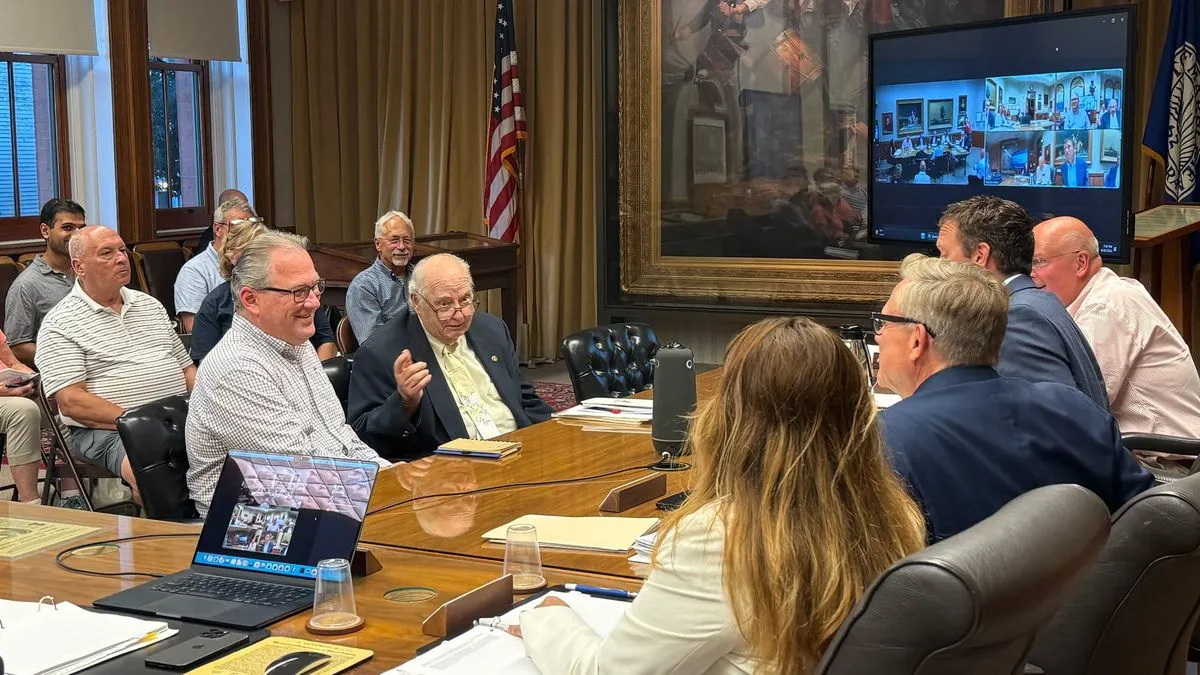
The Select Board on Oct. 14 renewed the as-needed snow emergency system it adopted last year, suspending the town’s standing overnight parking ban for another season. Each ban will be timed to the storm. A new warning, blue lights at eight spots around town, is nearly in place, but when those lights will switch on is still being worked out.
Select Board Chair Dan Fox moved to suspend Article 5, Section 8 of the town’s traffic regulations, known as the all-night parking ban, and Select Board member Rossana Ferrante seconded. As the Independent reported in February, that rule barred street parking from midnight to 7 a.m., mid-November through March, snow or no snow. With no ban declared, cars may stay on the street overnight.
The old window could not move when a storm arrived early. Last winter, town notices show, declared bans began as early as noon and as late as 11 p.m., and some ended only when roads were safe.
Under the motion, the public works director, fire chief and police chief, in coordination with the town administrator, set each ban’s start and end times based on forecast or live weather conditions, as needed to keep streets maintained and safe for vehicles and pedestrians. Cars left on the street during a ban can be ticketed and towed. Those officials, or their designees, can revoke the suspension if they find it is hurting public health and safety.
The motion also requires notice of each ban on the town website, through the town’s ReGroup automated call system and on town-managed social media accounts, among other outlets.
Before the vote, Fox asked whether the suspension needed an end date. Town Administrator Thatcher Kezer said he thought the overnight ban was already a seasonal rule. Select Board member Erin Noonan, recalling timing problems last winter, said bans cannot be pinned to the old midnight-to-7 a.m. window. Fox said that was why the board gave officials control of start and end times last year, because otherwise the “timing was ridiculous.”
The board approved the motion.
When lights come on
Kezer said the town sought funding for the blue lights last year and is close to having them installed. The lights will work “hand in hand” with the parking ban policy, he said.
The lights will work in time for winter and will come on whenever a parking ban is in effect, townwide or in designated areas. They may also flag street sweeping. Signs at each light will send drivers to the town website and to a phone line, not yet designated, with a recorded message giving a ban’s start and expected end. MarbleheadAlerts messages and town social media posts will continue.
Still undecided is whether the lights will switch on before a ban starts. The town does not want “lights to come on and folks to ignore it” because a ban is too far off, Kezer said, but wants residents to have a fair chance to see them and move their cars.
Two policies on details
Police Chief Dennis King said both detail policies were negotiated in the last police union contract and agreed to in a memorandum of understanding the Select Board ratified. The new policies spell out the specifics and were written with union and legal input, he said.
The first, approved unanimously, lets eligible retired Marblehead officers work paid details, and only details, as special police officers. King will recommend qualified retirees, and the Select Board will swear them in. They must keep the training and certification required of full-time officers, which gives them arrest powers. Unlike active officers, whose gear the town buys, retirees will pay for their own training, equipment and uniforms.
King said the policy costs the town nothing and adds experienced officers for details, which the department has also covered through agreements with other police departments. More important to him, he said, it gives retirees “an off ramp” to stay engaged. He said he has heard “never a negative from any other neighboring chief or town” about similar programs.
“If you’re signing up and doing all this training, you want to work,” King said.
Select Board member Jim Zisson asked whether retirees could be called in during an emergency. King said he calls on full-time officers when the town has its own emergency and would not demand that retirees come in. A retiree already on a detail when something happens could act, he said, because special officers carry lawful authority and “there will be no hesitation.”
“It just seems only benefits,” Fox said.
The second policy, also approved unanimously, lets King or a designee, such as a detail assignment officer, name certain paid details priority details based on operational necessity, traffic conditions and public safety, and fill them before all others. King said it is meant for long-planned jobs, usually scheduled a week or more out, that squeeze a major road to one lane, such as gas work expected in Old Town this winter. He compared it to Boston’s tiered detail rates, which put the top tier on the city’s busiest streets.
Contractors will be able to request the designation on a form, but the decision is the chief’s, “not the contractor, not the officer,” King said. Select Board Vice Chair Moses Grader said the policy centralizes control and coordination of details.
Priority details pay 20 percent above the prevailing detail rate, consistent with the union contract, and Fox noted that contractors, not taxpayers, pay the higher charge. The meeting materials did not list the base hourly rate needed to put the premium in dollars.
Kezer, who retires Dec. 31, said more information on the lights will follow. Until the town settles that timing, drivers’ first warning will be what it was last winter: a town notice with a start time.