Table of Contents
Get our free local reporting delivered straight to your inbox. No noise, no spam — just clear, independent coverage of Marblehead. Sign up for our once-a-week newsletter.
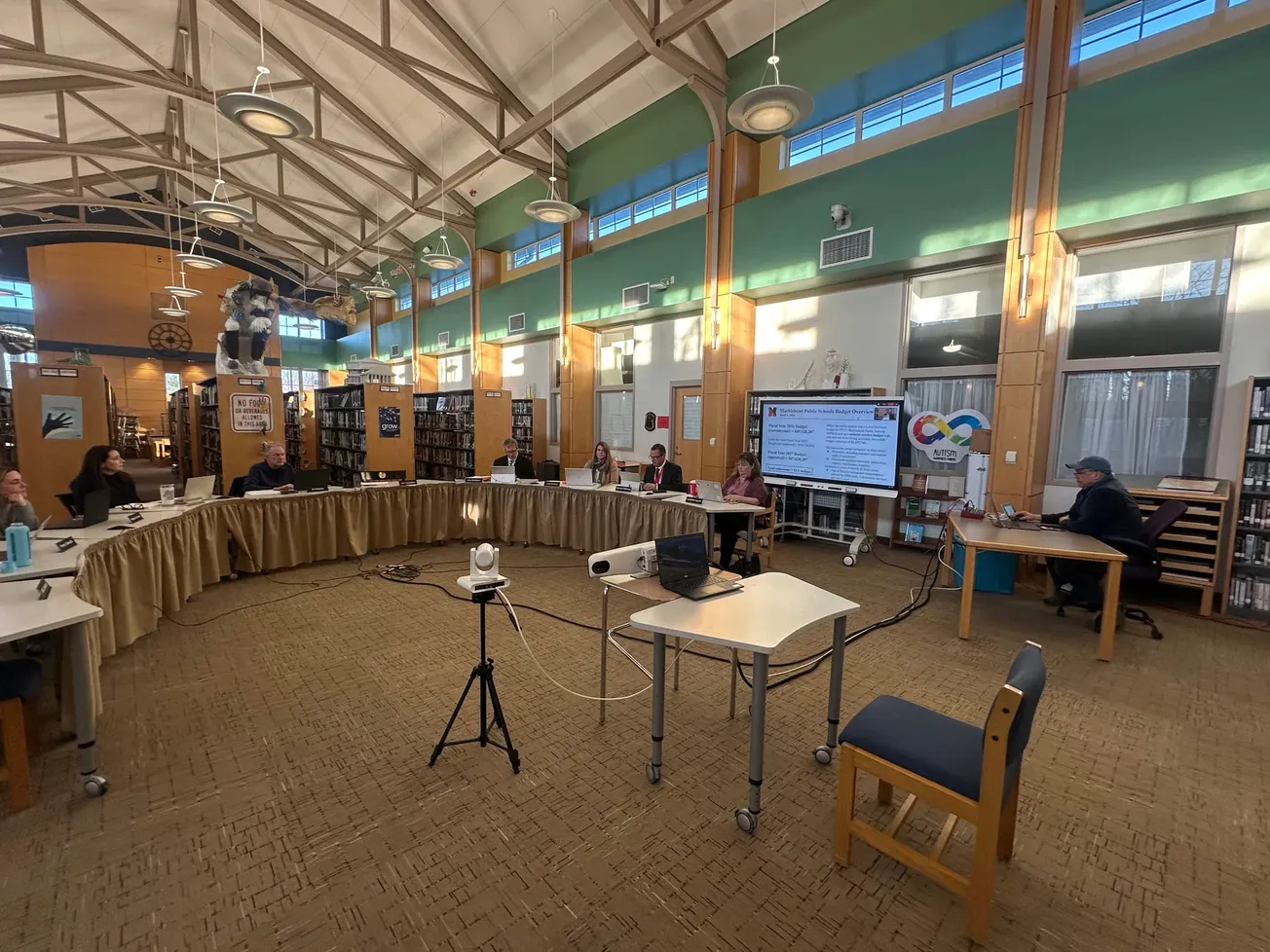
The School Committee voted unanimously Thursday night to approve a $47.6 million fiscal year 2027 budget that eliminates 22 positions across the district and draws down a key financial reserve to close a $3.1 million gap, then immediately endorsed a three-tier override framework aimed at stabilizing the schools over the next three years.
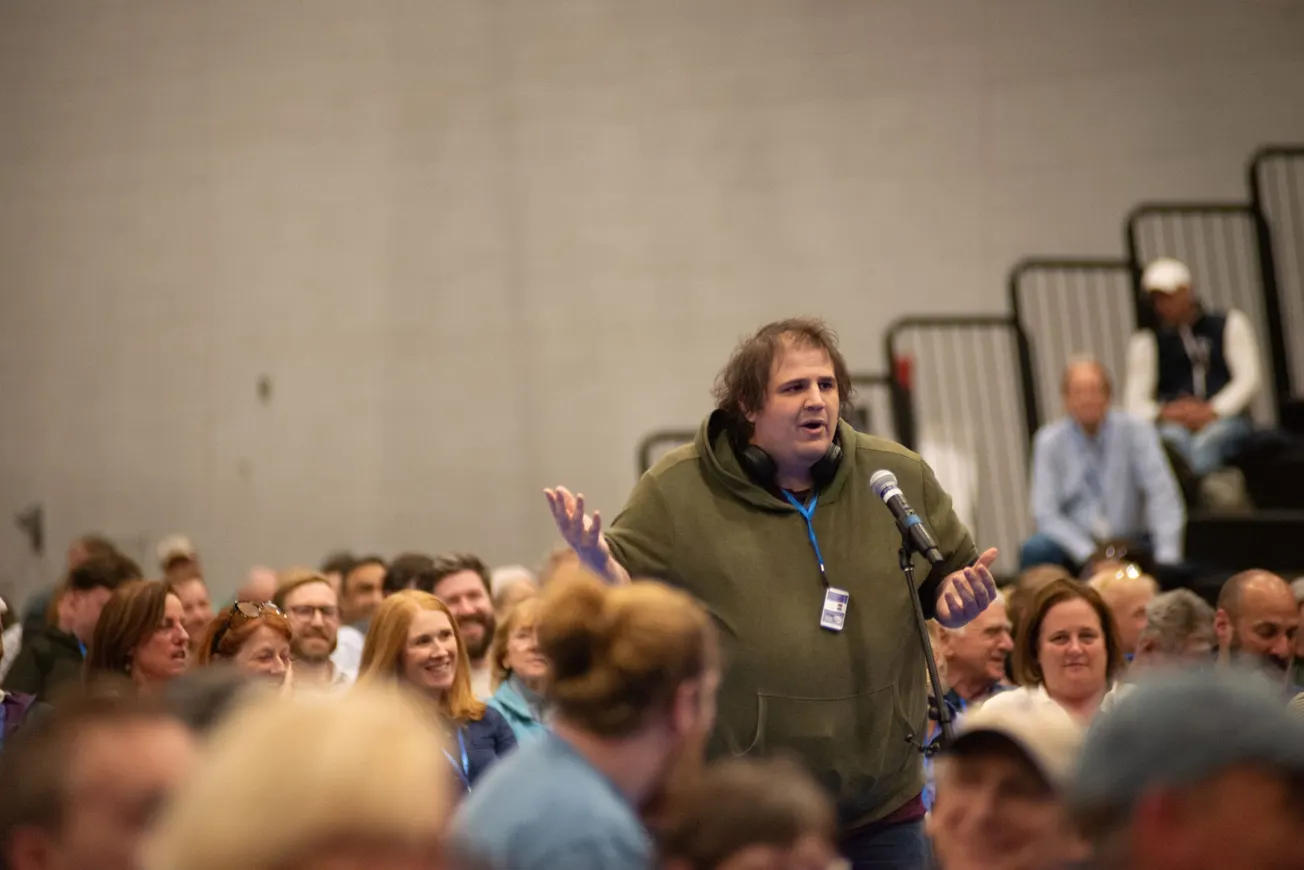
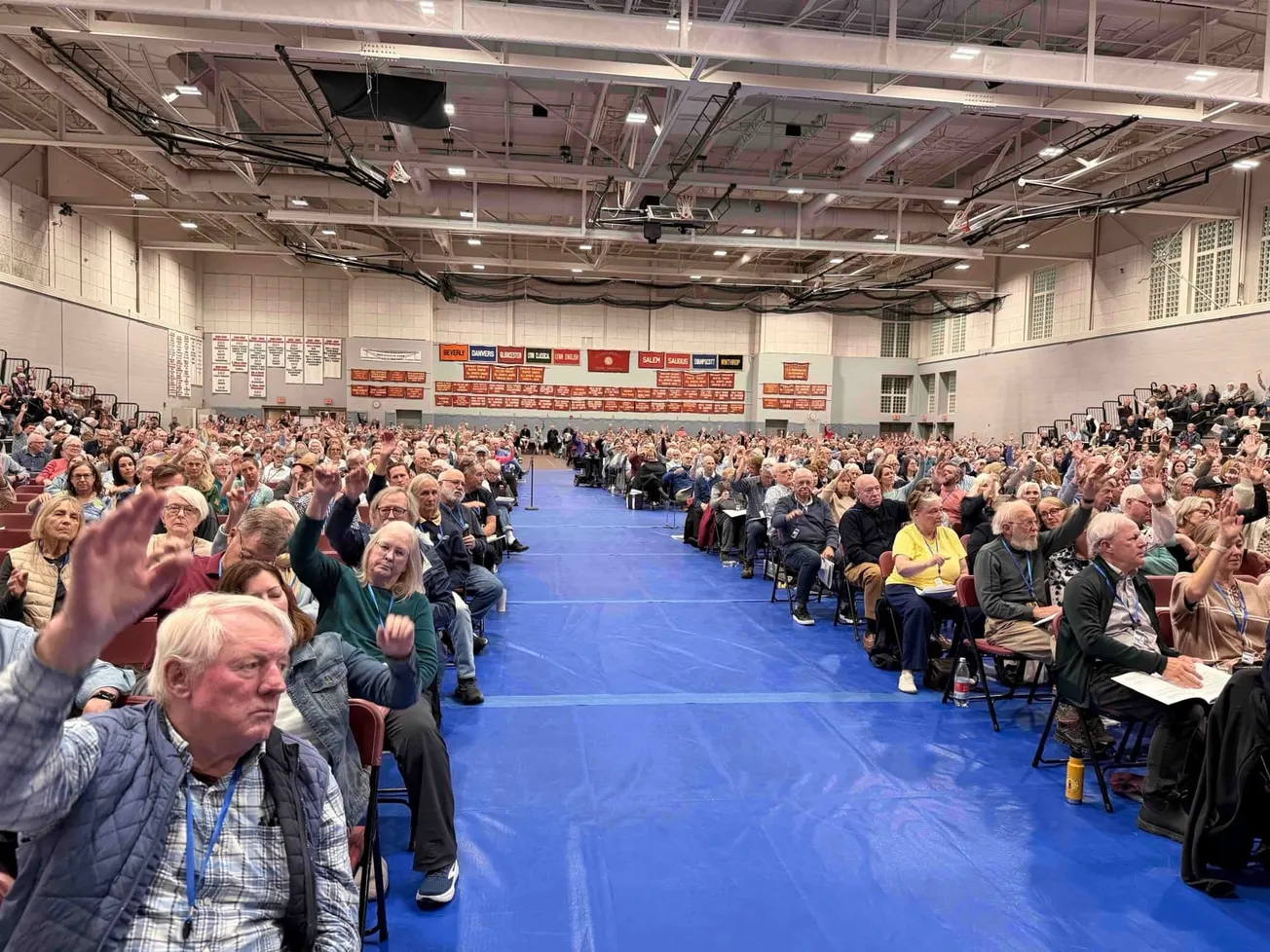
The votes came the day after the Select Board met to refine its override framework and advance a unified town-and-school proposal ahead of Town Meeting. The Select Board voted 4-1 on March 25 to pursue a multiyear, three-tier override and a separate trash-funding ballot question to close a $7.7 million townwide deficit, and established a working group of town and school officials to develop a consolidated ask. The late-March meeting drew a packed crowd at Abbot Hall, where residents, union leaders and a newly formed grassroots group urged the board to move quickly and think beyond a single year.
Under the framework Town Administrator Thatcher Kezer presented, the service-funding override is divided into three cumulative tiers. Each builds on the one below it and the highest tier that passes by majority vote determines the permanent increase to the tax levy. Tier one would restore services cut from the balanced budget — including a firefighter, the school resource officer, full library staffing and positions across multiple departments. Tier two would add building maintenance funding, additional public safety and public works staffing and implementation of salary study recommendations. Tier three would layer in capital investments for both schools and the town.
A second, standalone ballot question would give voters the option of funding curbside trash collection — estimated to cost roughly $262 per household annually — through the property tax levy rather than a user fee. The board approved a $56.6 million balanced municipal budget five days before the March 25 vote, a spending plan that eliminates about 18 positions and cuts $60,000 from pothole funding.
"We're not talking about cutting and trimming," Kezer said at that meeting. "We're talking about closing the door on a number of services."
Select Board member Moses Grader cast the lone no vote on the tier structure, arguing tier one should be structured as a one-year choice rather than a permanent levy increase. Select Board member Jim Zisson had pushed for a menu-style approach that would let voters approve or reject individual functional clusters independently, but sided with the majority when the motion came to a vote.
The approved school budget of $47.6 million is $1.5 million below the current year — a 3.05 percent reduction. The $3.1 million gap reflects the full distance between the current budget and what a level-services budget would have cost: $1.7 million needed just to hold services steady, plus an additional $1.5 million cut requested by town officials. The 22 positions span the entire $3.1 million reduction, with 18.25 full-time equivalents eliminated across every school building. Of those, 9.3 are currently filled positions; the remainder are vacant.
A late-breaking tuition increase complicated the picture further. The district learned just days before the meeting that its educational collaborative was raising tuitions an average of 9.4 percent, with the highest-tier programs — where most Marblehead students are placed — climbing 12 percent. That unanticipated cost surge forced administrators to cut deeper than planned, pushing the total position reductions from 14.75 to 18.25 full-time equivalents.
To balance the books, administrators will prepay $1.5 million in out-of-district special education tuition from years of accumulated surpluses — reducing the district's tuition line from $5.3 million to $3.8 million for the coming year. Assistant superintendent for finance Michael Pfifferling said the maneuver eliminates one of the district's three financial safety nets and cannot be repeated.
"Either we cut the staff next year and hold the reserve, or we spend the reserve," Pfifferling said.
"I'd rather risk that one more year than have any impact on education."
Superintendent John Robidoux said the pace of reductions was unlike anything in his decade leading districts.
"I've been doing this for 10 years and this is the first time I've been put in this position," he said. "This is not a way of complaining, it's a way of explaining."
Override tiers
Minutes after approving the budget, the committee voted 4-0 — member Jenn Schaeffner had left for a prior commitment — to endorse three proposed override tiers totaling $6.2 million, $7.2 million and $8.5 million over three years. The school department would draw nothing from override funds in fiscal year 2027. The bulk of relief would arrive in fiscal year 2028, when tier one alone would deliver $4.3 million.
Tier one, at $6.2 million over three years, would cover contractual salary increases, restore special education out-of-district tuition to its full required level and move positions currently funded through revolving accounts back into the general fund. Tier two adds a $150,000-per-year technology device lease and eliminates the full-day kindergarten fee — a charge that currently costs families $671,408 annually and makes Marblehead one of a shrinking number of Massachusetts communities still billing families for the program. Tier three would add curriculum and professional development funding, a new in-district program for special education students ages 18 to 22 and a dedicated school building capital fund, for a three-year total of $8.5 million.
The administration is not recommending restoring any of the 18.25 eliminated positions in any override tier, citing declining enrollment. District enrollment has dropped 24 percent since 2016 — from 3,144 to 2,435 students — and is projected to fall by another 86 students next fall. Robidoux noted that enrollment decline is spread thinly across grade levels, making position cuts difficult to align cleanly with any one school or classroom.
Robidoux said the 18-to-22 program, which he estimated would cost $500,000 to establish, would bring students currently placed at expensive outside programs back into the district.
"That's a huge philosophy of mine," he said.
Concerns about process, language
Schaeffner raised concerns before departing about a slide deck used to present the override framework, which was prepared jointly by Robidoux, Pfifferling and committee members Kate Schmeckpeper and Melissa Clucas. She pointed specifically to language on the "what happens if voters say no" slide, which read that a no vote "is not 'saving money' — it is choosing larger problems tomorrow over smaller investments today."'
"We can provide information, but making value statements or recommendations on how people should support this or not support this is beyond our purview — and it's a potential violation," Schaeffner said.
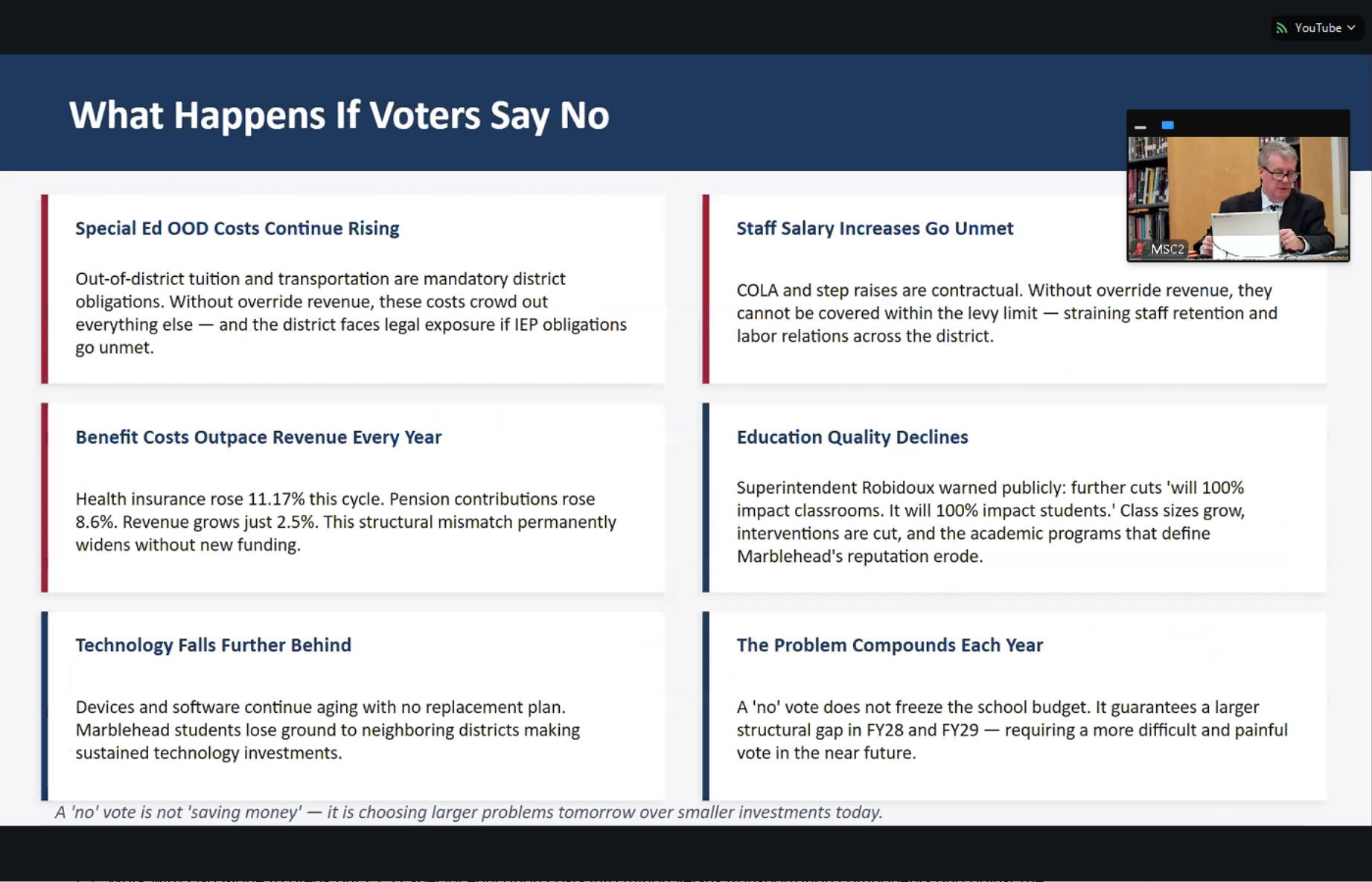
Robidoux accepted the feedback.
"I can definitely see the perception on that," he said.
Schaeffner also cautioned that projecting fiscal year 2029 contractual obligations before those contracts have been bargained could constitute bad faith bargaining.
MOU approved
The committee also voted 4-0 to approve a draft memorandum of understanding with the Select Board and Finance Committee, pending final dollar amounts. Schmeckpeper said the document commits town leaders to seek no additional general override before fiscal year 2030 if any tier passes, establishes a 62-38 revenue split between the town and schools and creates quarterly fiscal reporting among the chairs of the Select Board, School Committee and Finance Committee.
During public comment, a resident said the committee should have amended its agenda before taking votes.
"I do think it would have been best practice to amend the agenda so that you would be transparent," she said.
Marblehead has not passed a general override since 2005. Town Meeting is May 4. A town election is June 9.
BEFORE YOU GO … Our reporting remains free and open to all. It is sustained by readers who choose to support it — by contributing so that routine, document-based local reporting continues without paywalls or promotional framing. Right now, 101 readers support The Marblehead Independent with monthly or annual contributions. Click here to become an Independent member.