Table of Contents
Get our free local reporting delivered straight to your inbox. No noise, no spam — just clear, independent coverage of Marblehead. Sign up for our once-a-week newsletter.
Two members of the School Committee’s budget subcommittee left a tense session Wednesday agreeing on the data but not the bottom line, setting up a Friday vote that will determine how deeply Marblehead’s schools absorb their share of a $7.7 million townwide deficit.
Subcommittee Chair Jenn Schaeffner will recommend a fiscal 2027 school operating budget of $48,095,896 — a reduction of roughly $1.02 million from the district’s current spending level. Subcommittee member Melissa Clucas will recommend $47,620,287, a cut of $1.5 million from the fiscal 2026 appropriation of $49,120,287. The subcommittee approved a motion 2-0 to present both figures to the full School Committee at a special meeting Friday.
Either figure would come on top of roughly $1.7 million in reductions the district already made to reach a level-funded budget of about $49.1 million, eliminating 14.75 full-time-equivalent positions. Town officials then asked the schools to absorb additional cuts under a shared-cost framework that allocates benefit expenses proportionally between the two sides.
The broader deficit is driven largely by health insurance, the single fastest-growing line in Marblehead’s budget. The Massachusetts Group Insurance Commission approved an 11.17 percent premium increase for active employees this cycle, pushing the town’s projected health insurance bill to nearly $15.8 million. Under Proposition 2½ — the state law capping annual property tax increases at 2.5 percent of the prior year’s levy — Marblehead can raise roughly $2.2 million in new tax revenue each year. Health insurance alone threatens to consume most of that growth.
The dispute that kept the subcommittee from agreeing on a single number comes down to roughly $462,000 set aside on the town’s books as a cushion against unexpected swings in employee health insurance enrollment.
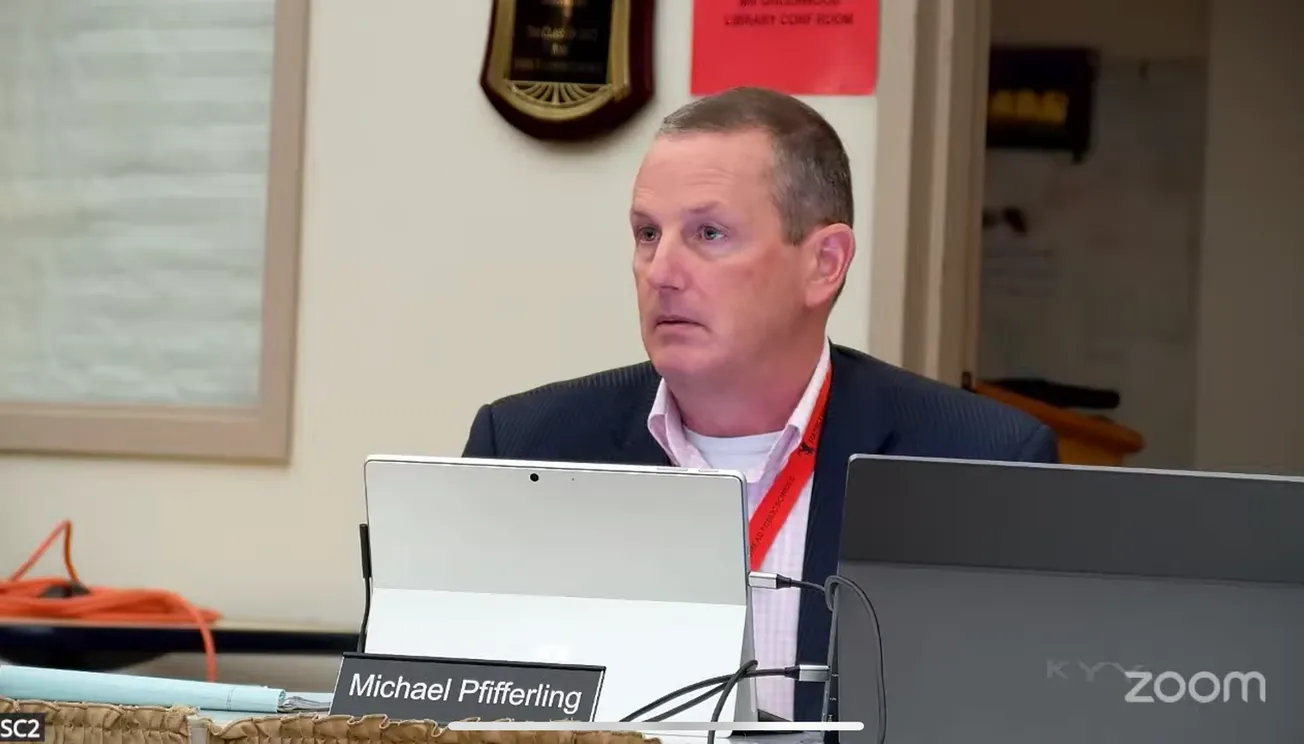
Three separate analyses of the benefit costs converged within about $50,000. Michael Pfifferling, the district’s assistant superintendent of finance and operations, put the school’s share at approximately $10.66 million. Finance Committee Chair Alec Goolsby arrived at $10.71 million. Finance director Aleesha Benjamin landed between the two. Pfifferling accepted Goolsby’s higher figure.
“We are not asking for the $50,000,” Pfifferling said. “We are going with Alec’s number.”
Goolsby noted that his updated analysis from the previous Friday brought the resulting additional cut to approximately $1.44 million, narrowing the gap to near zero. What remains is a policy disagreement about the buffer.
Schaeffner argued the district was being asked to shed jobs to preserve a reserve it has no authority to manage. The health insurance budget is built on current headcounts, she said, which will shrink on both sides as layoffs take effect. She said no multi-year review of actual insurance overruns had been performed to justify the reserve’s size. She also noted the School Committee had delayed its budget vote as a courtesy while the town finalized its numbers, but the Select Board then voted its $56.6 million municipal budget — which assumes the full $1.5 million school reduction — without waiting for the school side.
“Nobody gave any consideration to what pressure this is actually going to put us under,” Pfifferling said. Benjamin, who was not at the subcommittee meeting, said in an a post-meeting interview that she, Finance Committee members and school officials had been in contact throughout the budget season. She said she met with Pfifferling twice and that Goolsby spent five hours auditing her spreadsheet and validated the figures.
The school side offered a concession: if actual insurance costs for school employees exceeded the budgeted amount, the district would reimburse the town before the fiscal year ended.
Goolsby pushed back with recent spending data. The town budgeted a similar cushion of roughly $630,000 for the current fiscal year and had already consumed about $300,000 of it by early March. Removing the school’s share would leave only about $230,000 — less than what had already been spent against this year’s reserve. He noted the Finance Committee reserve fund stood at $444,000 and said those funds would be available to the schools if needed by fiscal year’s end.
Finance Committee Vice Chair Molly Teets said the buffer existed to manage health insurance volatility. The town’s finance director, she said, had called the reserve reasonable based on her experience.
Superintendent John Robidoux said his recommended budget would not include the $1.5 million cut but that he was committed to collaboration once the committee gave him a directive.
“As much as that’s going to be very painful, and people are going to lose their jobs,” Robidoux said of the work ahead.
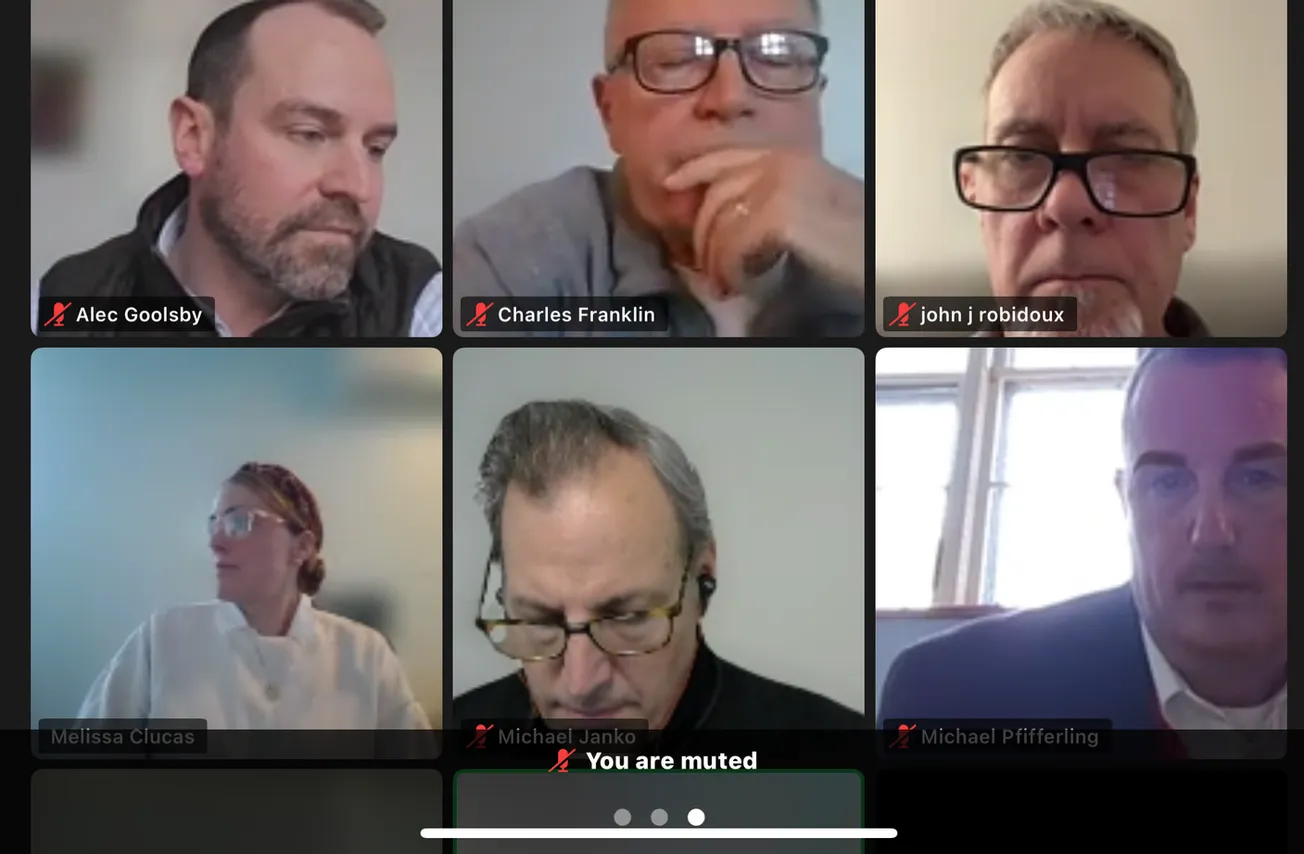
Clucas said she sympathized with Schaeffner’s position but believed continuing to negotiate the buffer was consuming time the town could not afford. Three independent analyses had converged on the same number, she said, and the subcommittee’s focus should shift to building a comprehensive override that would address the structural deficit driving cuts on both sides.
“We need to just build a budget with that number,” Clucas said, adding that she wanted to put “all of my energy into a comprehensive override for this town that fixes this structural issue.”
Debt service totals $11.1 million, and pension obligations continue to climb. Goolsby’s shared-cost framework found schools account for roughly 55 percent of the combined benefit — down from an initially reported 63 percent — costs across the disputed line items and was created to validate the $1.5 million figure, not to generate it.
Finance Committee member Pat Franklin, attending as liaison, advised the subcommittee to wait until after the Select Board met Wednesday evening to see how it intended to structure a possible Proposition 2½ override before taking a position on an override amount.
The full committee will deliberate and vote Friday.
BEFORE YOU GO … Our reporting remains free and open to all. It is sustained by readers who choose to support it — by contributing so that routine, document-based local reporting continues without paywalls or promotional framing. Right now, 101 readers support The Marblehead Independent with monthly or annual contributions. Click here to become an Independent member.