Table of Contents
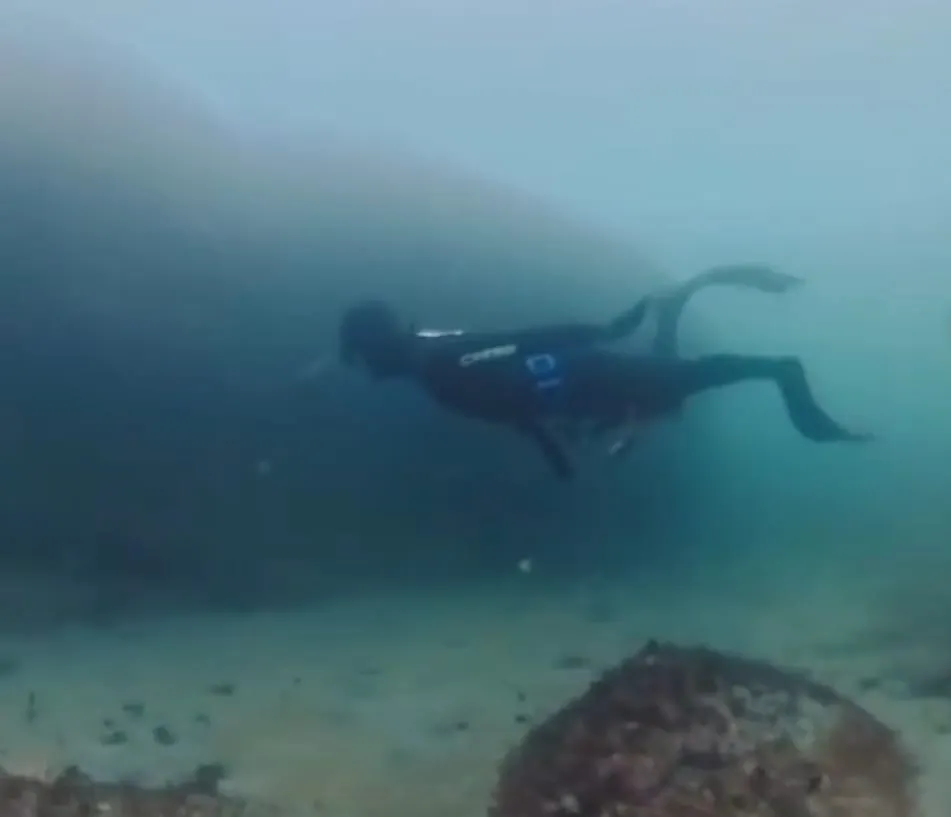
Many of my patients react in shock that I dive without scuba tanks. That is rightly so, as we are only diving on one breath. Besides, scuba tank bubbles will scare away the fish during free dives.
Freediving requires years of training to master the mammalian dive reflex, which is innate in all mammals. It is the physiological response to breath-holding in full water immersion. Physiologically, exposure of the receptors located on the face under the eyes — associated with the fifth cranial nerve or the trigeminal nerve — during breath-holding, or apneic, conditions triggers a series of physiological events such as peripheral vasoconstriction and bradycardia, a slowing of the heart rate. Two physiological purposes are fulfilled: shunting blood to the core and the conservation of oxygen.
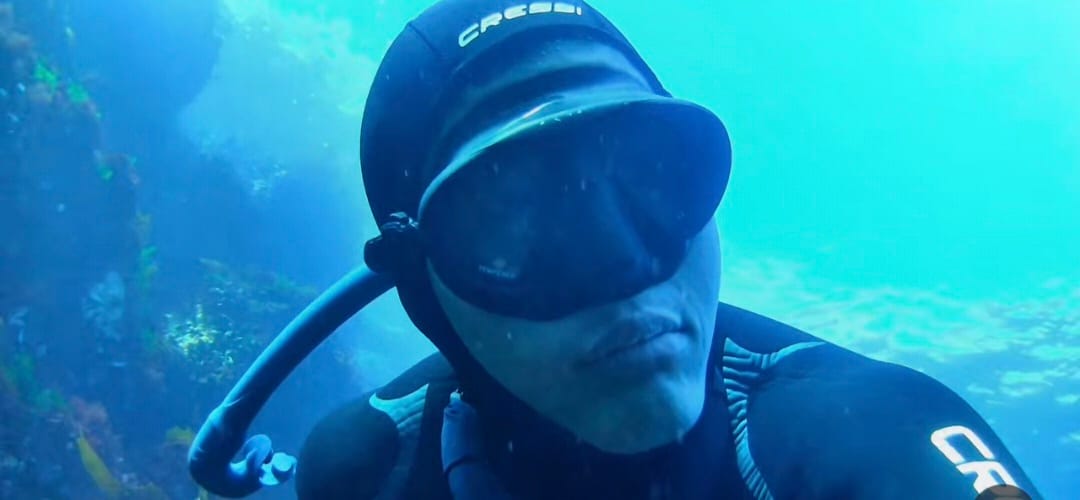
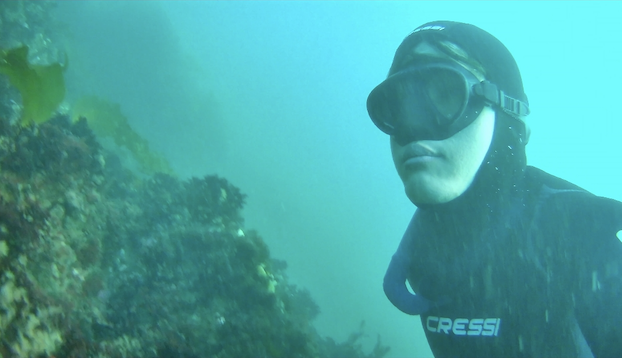
Ryan Park practices breath-holding techniques while freediving, a skill that requires tolerating carbon dioxide buildup.
Ever notice when swimming for long periods that it is easier to hold your breath? That is the mammalian dive reflex working. Part of mastering the reflex comes from tolerating carbon dioxide buildup, which is the cause of the urge to breathe. Many people think this is due to low oxygen, but it is indeed due to a buildup of carbon dioxide. This in turn leads to a more acidic pH in the blood, which eventually triggers muscle spasms and is that burning feeling you get when you need to breathe. Freedivers are in constant training to master this, as it is one of the core tenets of freediving so we can stay underwater longer.
Got you curious? Watch the 2023 Netflix documentary "The Deepest Breath." If that inspires you, learn the basics of freediving through East Coast Divers, which is the unofficial Massachusetts representative of all things freediving. Bonne chance and be safe. Sea ya in the water.
Ryan Park, a Marblehead resident and practicing dentist, writes Beneath the Blue, an occasional column in which he shares the experiences, challenges and discoveries of freediving in photos and words.