Table of Contents
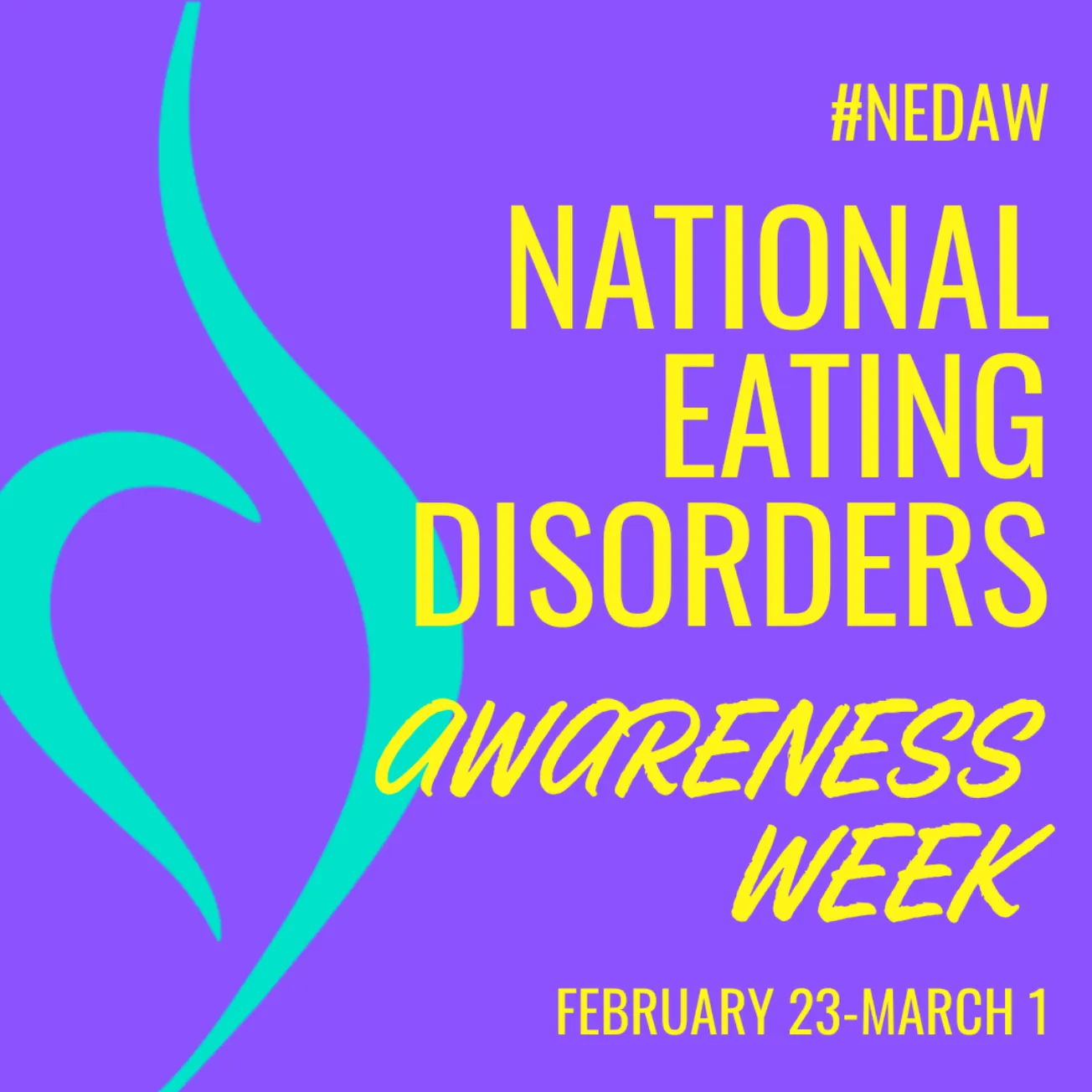
National Eating Disorder Awareness Week (NEDAW), a nationwide campaign to raise awareness, provide hope and support to those who struggle with eating disorders and to challenge the stigma that often goes with them, runs this year from Feb. 23 to March 1. The 2026 theme is Every BODY Belongs. Eating disorders are serious mental health disorders marked by severe disturbances in one’s eating behaviors and affect 30 million Americans. According to the National Eating Disorders Association (NEDA), too often people with these disorders go unseen or unsupported due to “stigma, misinformation, and barriers to care.”
“Eating disorders can affect people of all ages, racial and ethnic backgrounds, body weights, and sexes,” according to Gregg Mulford, LMHC, clinical supervisor at Marblehead Counseling Center (MCC). “Eating disorders are serious mental health illnesses that may seem like a matter of choice,” Mulford says. “They are not. They are severe disturbances to one’s eating behaviors that can be life-threatening and can adversely affect a person’s physical and mental health and well-being.” In fact, he notes, suicide is a leading cause of death for people diagnosed with anorexia nervosa.
According to NEDA, the exact cause of eating disorders is not fully understood. Research suggests a combination of genetic, biological, behavioral, psychological and social factors can raise a person’s risk. Even people who appear perfectly healthy can have eating disorders and be extremely ill. The image that all people with an eating disorder are severely underweight is also not true — people with eating disorders can be underweight, average weight or overweight.
There are also many types of eating disorders. These range from the better-known anorexia nervosa and binge-eating disorder to avoidant restrictive food intake disorder (ARFID) and even less well-known conditions such as pica, in which people eat paint, dirt or other nonedible items, and orthorexia, which is an obsession with proper or “healthful” eating that can lead to intense fixation and compulsive behaviors.
Regardless of whether an individual is formally diagnosed with an eating disorder as defined by the Diagnostic and Statistical Manual of Mental Disorders (DSM) or is simply struggling with eating behaviors, Mulford says that reaching out for help, support and treatment is important. “Whether there is a clinical name or recognized label for an eating issue or not, if you're concerned about yourself or a loved one, talk to your healthcare provider or seek help with a mental healthcare provider.”
If you are interested in learning more about eating disorders, NEDA is holding a series of events throughout the week of Feb. 23, including webinars on eating and athletics, emotional eating, eating disorders and PTSD, and eating disorders and trauma. Information about the events can be found online at the NEDAW event schedule.