Table of Contents
Get our free local reporting delivered straight to your inbox. No noise, no spam — just clear, independent coverage of Marblehead. Sign up for our once-a-week newsletter.
Marblehead Little Theatre’s upcoming production of "Harvey" invites audiences into a world where whimsy, kindness and questions of reality take center stage. Directed by a longtime member of the MLT community, this staging of Mary Chase’s classic leans into both its gentle humor and its deeper emotional undercurrents. With a cast that spans generations and a design approach that favors imagination over realism, the production aims to offer something both comforting and quietly thought-provoking.
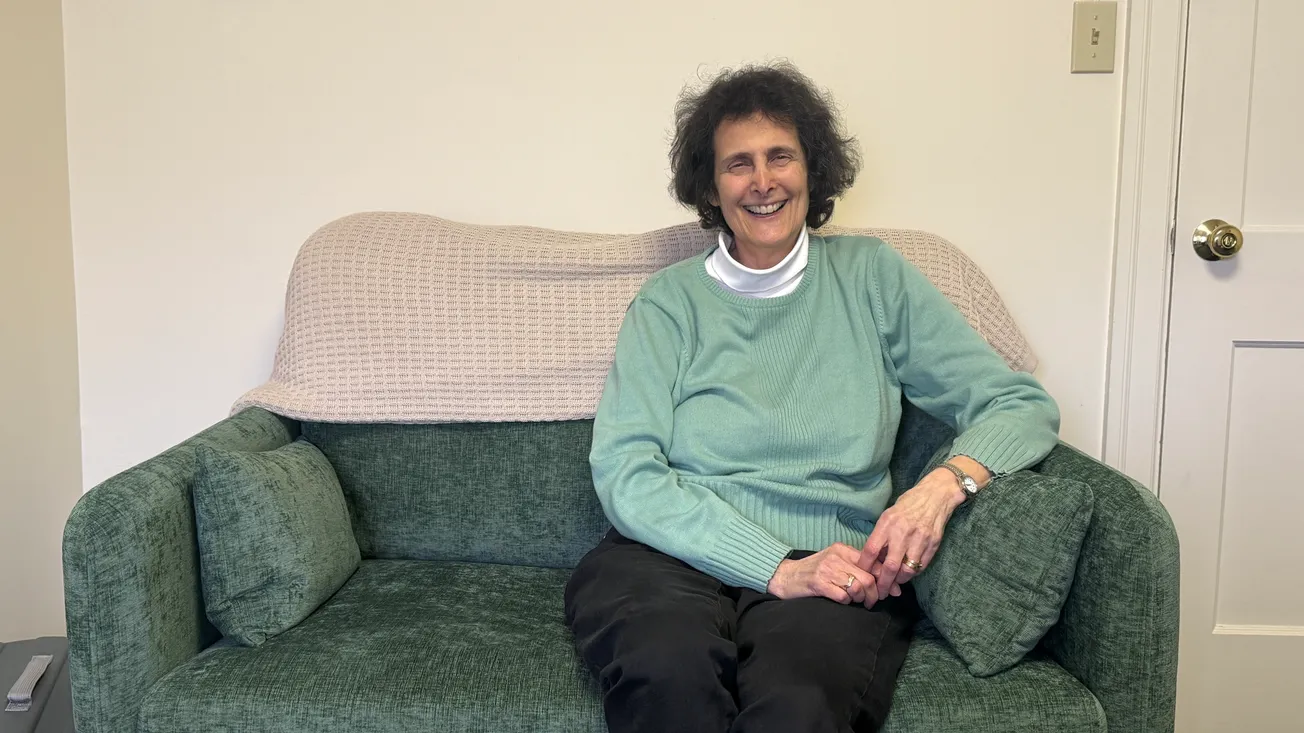
"Harvey" runs April 10-19, with opening night set for Friday, April 10, at 7:30 p.m., followed by a reception with the cast and crew. Ahead of opening night, the director spoke about the personal resonance of the story, the collaborative spirit of the cast and why "Harvey" feels especially meaningful right now. Below is a questions and answer between the director Katie Meuse and the Independent's editor, Will Dowd.
What drew you to "Harvey," and why did it feel like the right play for Marblehead Little Theatre right now?
Naturally, the friendly energy of Elwood P. Dowd is something we could all use nowadays. But the topic of mental health is also one I feel particularly passionate about, given my own experiences. Beyond that, the play has a cast made up of various ages and genders, which is important for a community theater because it allows for broad representation.
How are you approaching the overall tone of the production, especially balancing the play’s humor with its more thoughtful themes?
Mary Chase wrote a piece that requires the most skilled kind of humor: genuine humor. The characters all believe everything in their world, whether it is found funny or upsetting. There’s no need for actors to push for laughs; they just need to understand the dialogue and say it honestly.
What can audiences expect from the set design, and how does the physical space help bring this story to life?
I’m used to seeing a hyperrealistic set design for this play, and I wanted to go in the opposite direction. My goal was to create a whimsical, storybook quality that could easily shift between the two settings. The audience is entering Elwood and Harvey’s world, rather than the one we’re all used to. Thankfully, my friend Kate Bell was able to bring that vision to life with her set-painting skills.
Are there any particular visual elements of the set that feel especially important to the world of "Harvey"?
Our lighting designer, Greg Mancus-Ungaro, has worked his own magic to make Harvey’s presence come to life, so it’s clear to the audience when the pooka has entered the room.
What were you looking for in casting these roles, particularly for characters as distinctive and beloved as Elwood and Veta?
All the characters in this show have such distinctive personalities. Some I wanted to stay true to, and others I hoped to put a bit of a spin on. Elwood needed to be pleasant and genuinely friendly, which Dave Foye is in real life as an active member of MLT. Veta Louise Simmons is a fighter who’s desperately trying to do what’s best for her family, and Susan Garvey has been fully committed to bringing her to life.
How has this cast come together in rehearsal, and what have the actors brought that’s surprised or delighted you?
It’s always a blessing when everyone in the room gets along, and they’ve clearly embraced the show’s themes of friendship by supporting and playing with each other throughout the process. Bill Brauner has brought a new flavor to Dr. Chumley: a cold, factual doctor whose superiority complex doesn’t feel like bravado. That makes his turn later in the show even sweeter.
"Harvey" deals with imagination, kindness and what society considers "normal." Which of the play’s themes feels most resonant to you?
It’s difficult to pick just one, but I’d say the call to question reality. When I was in the darkest moments of my anxiety disorder, I struggled with what felt real to me versus what others told me was realistic. That added a whole other layer of shame. So the conclusion — to let Elwood simply be, even if he sees a giant invisible rabbit — is very important to me. I’ve come to believe nothing helps someone with mental health issues more than acceptance of the person as they are, along with their own version of Harvey.
How do you hope modern audiences will connect with the play’s message?
I hope people leave the theater cherishing their relationships, not only with those closest to them, but with anyone they cross paths with. And I hope they value the experience of sitting together in a shared space, which can be harder to find nowadays.
What has been the most rewarding part of directing this production?
This is my second time directing a mainstage show at a theater I’ve worked with for almost a decade. I’ll always appreciate the opportunity to be captain of the ship, especially with a show that means so much to me personally.
Is there anything you especially hope audiences take away after seeing this version of "Harvey"?
The one thing that has been imperative for me to convey throughout the entire process: Harvey is real.
"Harvey" runs April 10-19 at Marblehead Little Theatre. Tickets are available at https://www.mltlive.com/tickets/.
BEFORE YOU GO … Our reporting remains free and open to all. It is sustained by readers who choose to support it — by contributing so that routine, document-based local reporting continues without paywalls or promotional framing. Right now, 101 readers support The Marblehead Independent with monthly or annual contributions. Click here to become an Independent member.