Table of Contents
Want the key town stories without the noise? Sign up for our newsletter for clear weekly updates on boards, budgets and what’s changing in Marblehead — no spam. Sign up for our once-a-week newsletter.
On a summer day in 2010, a small recreational boat capsized, and 20-year-old Kingston firefighter David Hanson drowned. Hanson, an Eagle Scout known for preparation and service, did not survive the accident. His death stunned his family and community and became a stark reminder of how quickly conditions can overwhelm even capable people on the water.
Ten years later, Massachusetts lost another advocate for boating safety. Paul Milone, the longtime Weymouth harbormaster, died in 2020 after decades spent teaching boating safety and encouraging operators to learn the rules of the road before leaving the dock. Milone believed many accidents were preventable if boaters shared a common baseline of knowledge.
Together, the deaths of Hanson and Milone became the human foundation of a yearslong effort by families and supporters to change state law. That advocacy culminated in the Hanson-Milone Safe Boating Act of 2024, signed into law in January 2025 and scheduled to take effect in 2026.
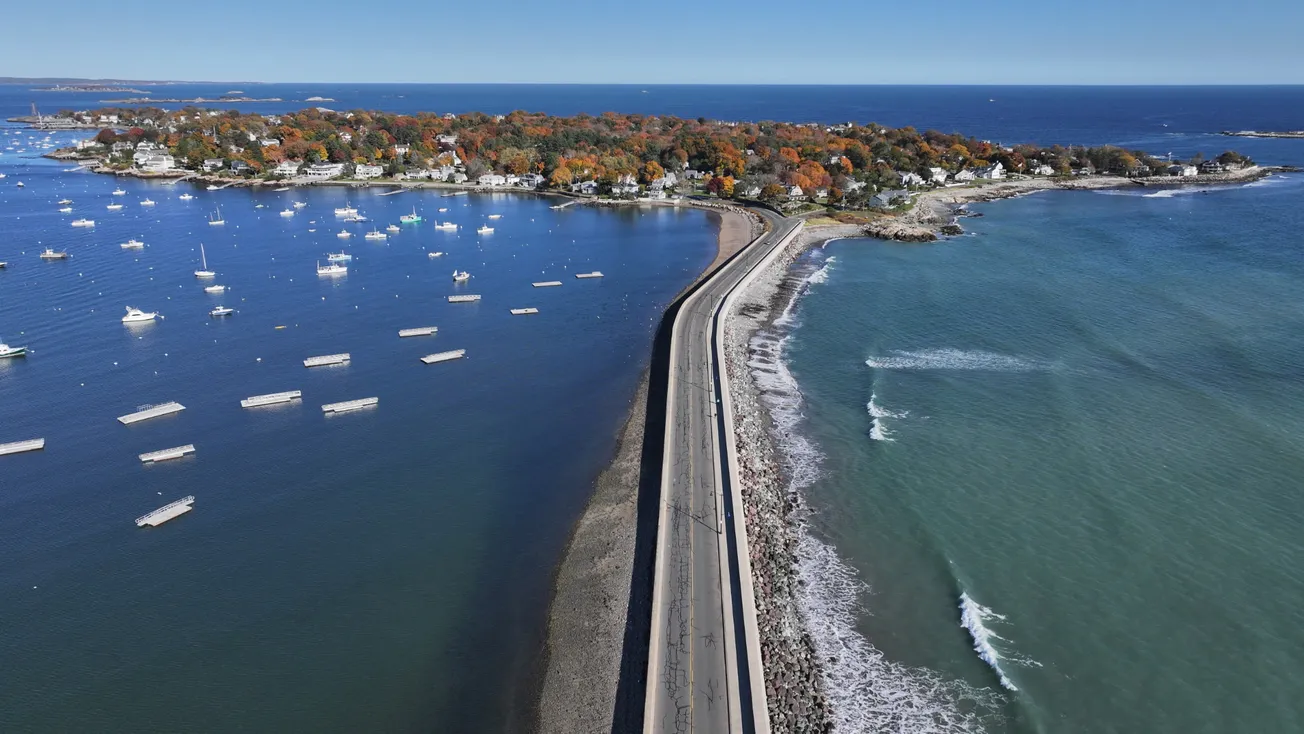
For Marblehead Harbor, where tight channels, dense mooring fields and sudden weather shifts define daily life on the water, the law represents a significant change.
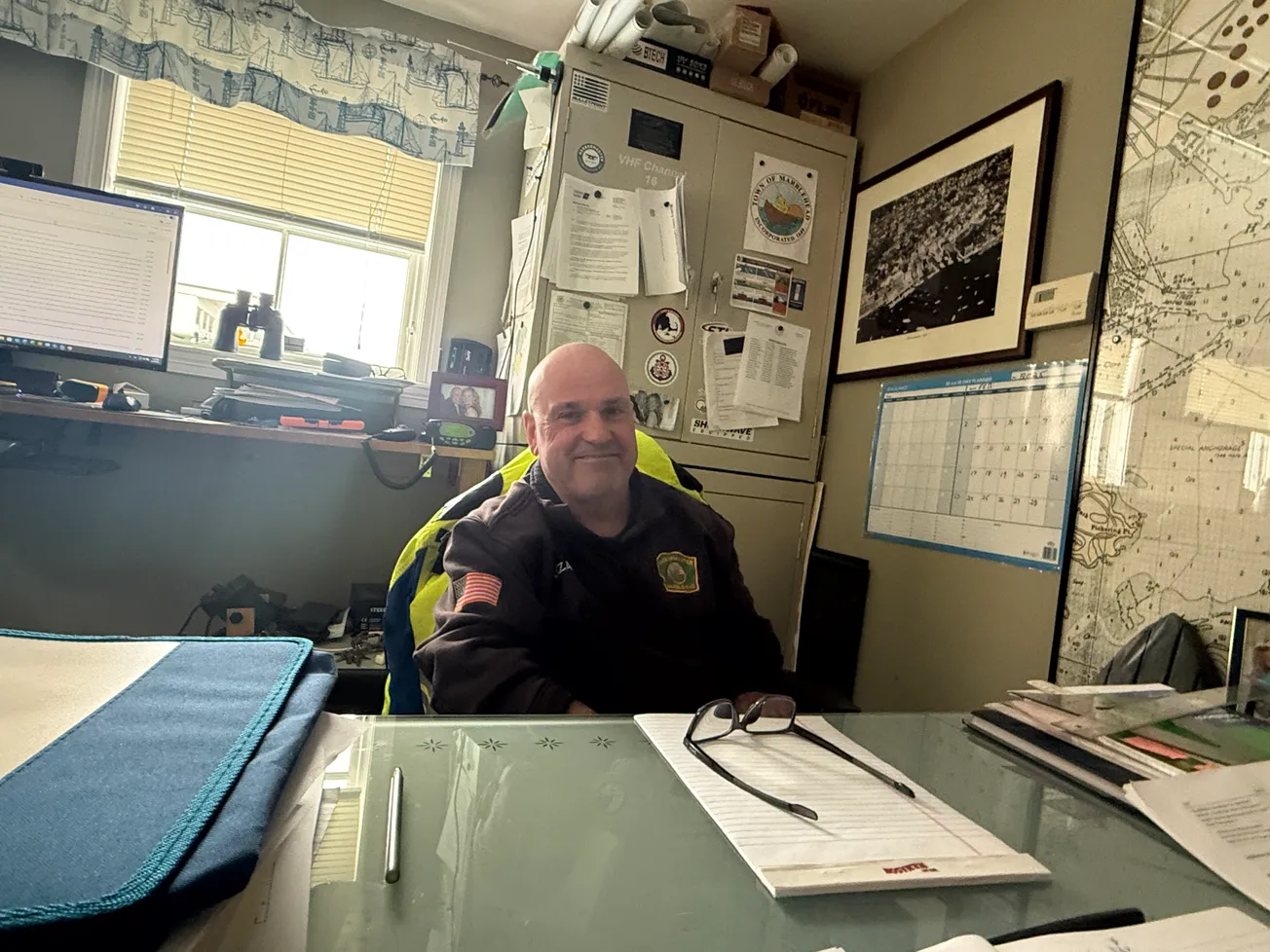
“I think it’s a great thing,” Marblehead Harbormaster Mark Souza said, because anyone can buy a boat without knowing anything but now “they have to take a course.”
We operate on about $80,000 a year, with roughly 95% going directly to journalism like this. Seventy-six ‘Headers already support it; if you’ve been meaning to join them, click here to become an Independent member.
The law requires most operators of motorboats to carry a state-approved boating safety certificate while operating in Massachusetts waters. The certificate confirms that an operator has completed instruction covering navigation rules, right-of-way laws, required safety equipment, lighting requirements and general boat handling. Sail-only vessels without engines are generally exempt unless auxiliary power is used.
Most boaters must comply by April 1, 2026. Some older operators qualify for a delayed compliance deadline and have until April 1, 2028, to obtain certification.
Half of Marblehead boaters may not comply
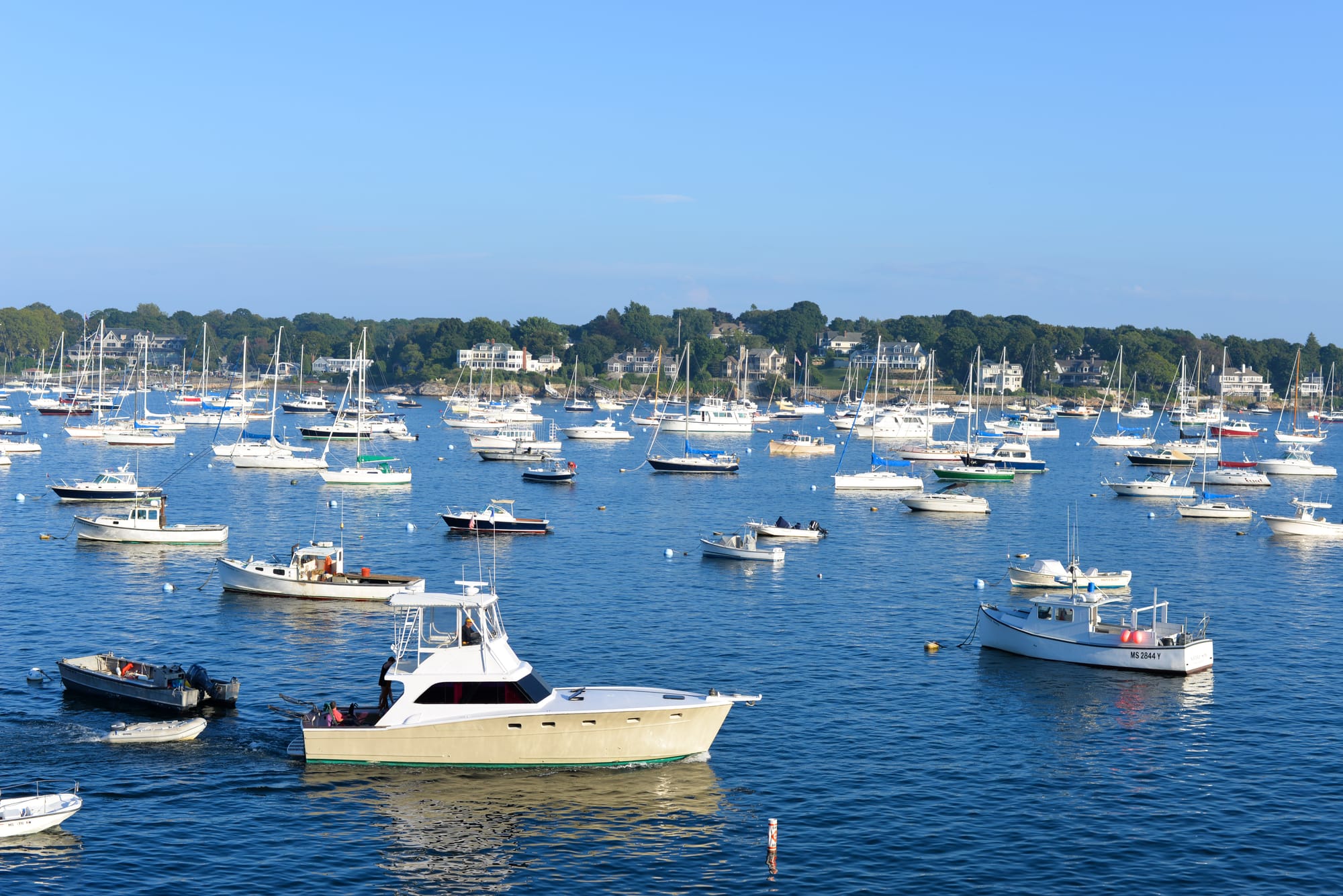
In Marblehead, the scope is substantial. Souza said roughly half of the operators he encounters would not meet the 2026 requirement if enforcement began today. The town manages about 2,800 moorings across its waters, with roughly 1,500 active inside Marblehead Harbor and the remainder in Salem Harbor during peak season.
Souza said Marblehead’s geography amplifies risk.
“Conditions in Marblehead are always a little bit more than what the weather is being predicted, just because the direction we face,” he said. “Weather affects Marblehead more so than others, and I think a lot of people might take that for granted sometimes.”
The harbor faces northeast, exposing it to weather that often builds faster and more forcefully than forecasts suggest. When asked what causes most boating accidents in Marblehead, Souza said conditions is the biggest factor.
That is where the law will make a difference. It will “definitely curb the amount of accidents that occur,” Souza said, especially those rooted in misunderstanding rather than misconduct.
Education first, then enforcement
Enforcement of the law will be shared between Massachusetts Environmental Police and local harbormasters. Environmental Police hold primary authority under state law. Souza said the state has not yet finalized guidance on whether local harbormasters will be authorized to issue citations specifically for failure to carry a certificate.
Harbor masters already have authority to stop vessels for safety inspections. Once enforcement begins, the boating safety certificate would become another item checked during those stops.
“It would be an educational thing for us at first,” Souza said. “We would do warnings, give people time to actually get certified, and then if it becomes multiple infractions, then we’d have to enforce it the way the state requires.”
Staffing limits mean officers cannot check every vessel, and enforcement will be selective. In many cases, the response to a violation is not a fine but termination of the voyage.
“We’re going to terminate your day,” Souza said. “We’re going to follow you back to your port of origin, or wherever you came from. Your day’s done.”
“Terminating a voyage,” he said, means escorting a vessel back to its port and removing it from the water for the remainder of the day. Souza said this is already how Marblehead handles missing life jackets or other safety violations.
At the state level, the Hanson-Milone law authorizes civil penalties for operating without required certification once enforcement begins. The statute itself does not specify fine amounts, which are set through state boating regulations. Massachusetts Environmental Police are authorized to issue civil citations, with escalating consequences for repeat violations.
Those enforcement tools remain central to how Marblehead polices its waters.
“I think it’s a great thing,” Souza said of the education requirement, because it helps protect not only inexperienced boaters but those who already know what they are doing.
Courses available online and in person
Rental boats are treated the same as privately owned vessels.
“Once that person gets in the boat, they’re responsible for their boat, regardless of what that rental company does,” Souza said. “It’s not the rental company getting penalized. It’s going to be the operator of that boat.”
Certification options are available statewide. Massachusetts Environmental Police offer free, in-person boating safety courses through Register-Ed. Souza said he has previously proctored state courses and that Marblehead has hosted courses in the past. Online options include Boat-Ed and I-Learn-To-Boat.
“Rules of the road is the big thing,” Souza said of what the courses cover. “It’s not going to teach you how to drive a boat. It’s just going to give you general knowledge.”
For Marblehead, a town defined by its relationship with the water, the law formalizes expectations long embedded in its maritime culture. Souza said he believes Marblehead boaters will understand the new requirements.
“I think we are very smart boaters in this town,” he said.
Residents and visitors should expect more conversations at docks, launch ramps and marinas. Certificates will become part of routine safety checks. Education will come first, but enforcement will follow.
For Souza, who has worked as a harbormaster for more than 20 years, the law is overdue.
“Since I’ve started, this has been something that’s been in the works and discussed, and now it’s here,” he said. Shared knowledge makes the harbor safer for everyone who uses it, he said.
Born from tragedy and sustained by years of advocacy, the Hanson-Milone law reflects a shift toward shared responsibility. In a harbor shaped by wind, tide and traffic, knowing the rules is no longer just good practice. It is the law.