Table of Contents
Get our free local reporting delivered straight to your inbox. No noise, no spam — just clear, independent coverage of Marblehead. Sign up for our once-a-week newsletter.
The brick building at 157 Washington St. reopened to the public June 1 as a museum for the first time in its history, its rooms given over to the lives of three enslaved people once held in the household of Col. Jeremiah Lee. Lauren McCormack, who spent five years getting it there, locked the door for the last time June 30. On July 6, someone new walks in.
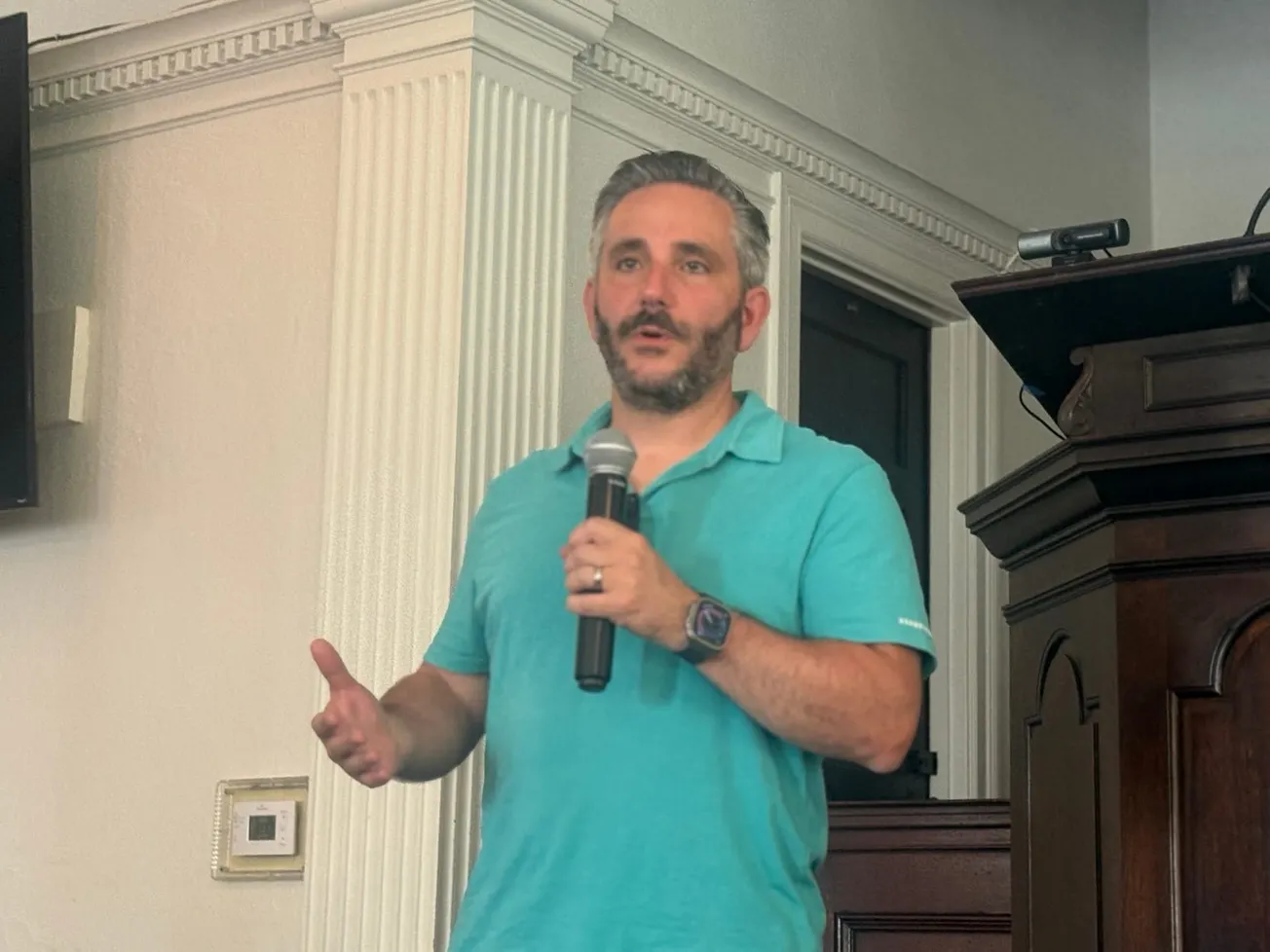
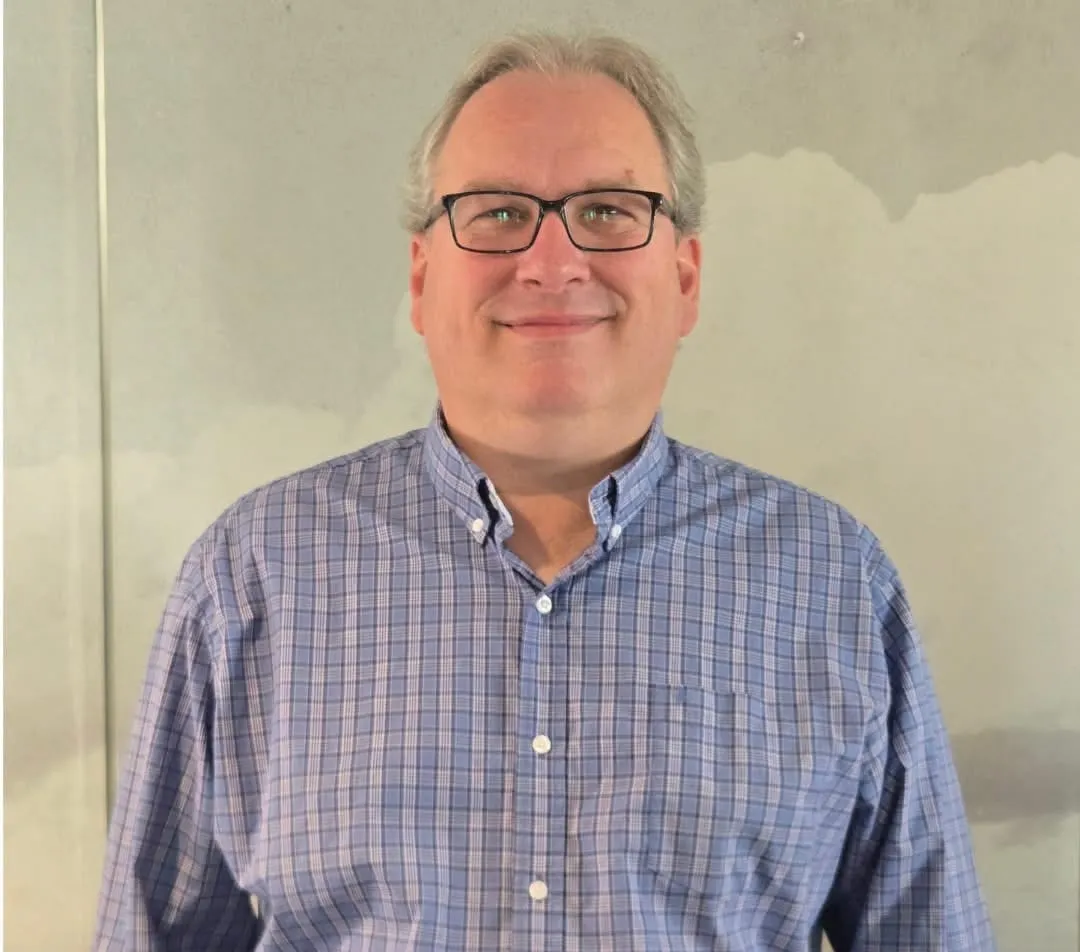
Dan Marshall becomes executive director of the Marblehead Museum that day, succeeding McCormack, according to the museum's announcement. He inherits a small institution still carrying the weight of its largest recent project: the $1.4 million restoration of the Brick Kitchen and Slave Quarters, and an inaugural exhibit, "Resistance and Resilience: Slavery and Freedom in Marblehead," that broadened whose stories the museum tells.
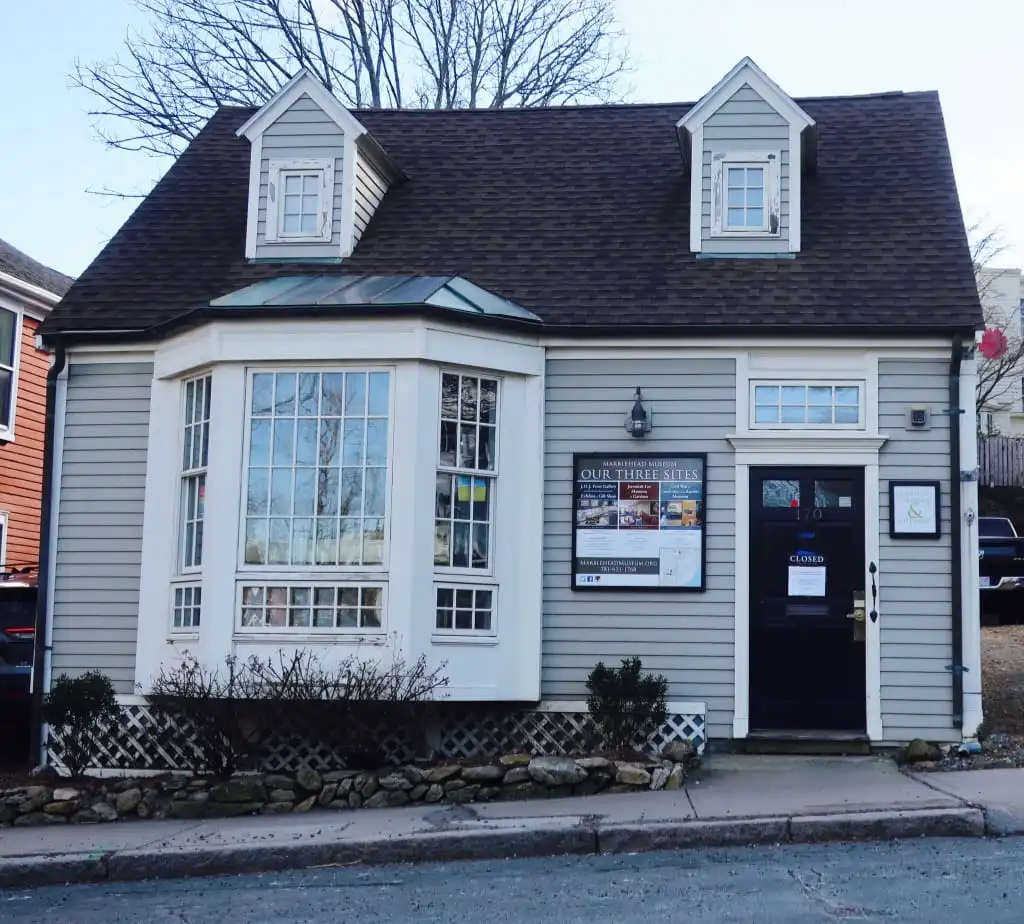
What Marshall inherits is physical before it is anything else. The museum keeps four buildings, McCormack told the Independent this spring — among them the Jeremiah Lee Mansion and the headquarters and J.O.J. Frost Folk Art Gallery at 170 Washington St. The newest, at 157 Washington St., is one of only three surviving detached slave quarters owned by a museum in New England, the institution says, with a second-floor research center named for lead donor Standley H. Goodwin. The museum bought the building in April 2021 from the Orne family, reuniting the Lee estate for the first time since the late 18th century.
Marshall's path through the field runs in roughly the order the work demands. He began as a historical interpreter with the Colonial Williamsburg Foundation in Williamsburg, Virginia, the announcement says. He later managed visitor services at The House of the Seven Gables in Salem, Massachusetts, then served as director of education at Lexington History Museums in Lexington, Massachusetts; the organization, formerly the Lexington Historical Society, lists his fuller title as director of education and interpretation. The museum says he has worked in the field for more than 25 years.
That sequence matters at a place like the Marblehead Museum, where interpretation is the product. The Brick Kitchen asks visitors to sit with an estate inventory that listed enslaved people alongside Lee's possessions. A director who started by explaining history to strangers, then learned how visitors move through a building, then ran education and interpretation, arrives fluent in the museum's central task.
The job is also a set of practical demands. Over his career, according to the announcement, Marshall has handled interpretive planning, building operations, admissions, collections, exhibit development, budgeting and staff training. The museum credits him with building collaborative environments in which staff are valued and recognized for their efforts. He steps into an operation that McCormack has said faces harder conditions than small museums have seen in a decade — fewer federal grants and rising pressure on the dues and fees institutions its size rely on.
The books he takes over have grown over the past decade. The museum's net assets rose from roughly $1.9 million in 2016 to $4.17 million at the end of fiscal 2024, and annual revenue climbed from $464,316 to $926,858, according to its federal filings; the institution has run a surplus every year of McCormack's directorship.
The reopening was the visible part of a wider shift McCormack drove — a database of Black and Indigenous people who lived or labored in Marblehead, interpretive panels installed around town since 2023 and partnerships with local racial-justice organizations.
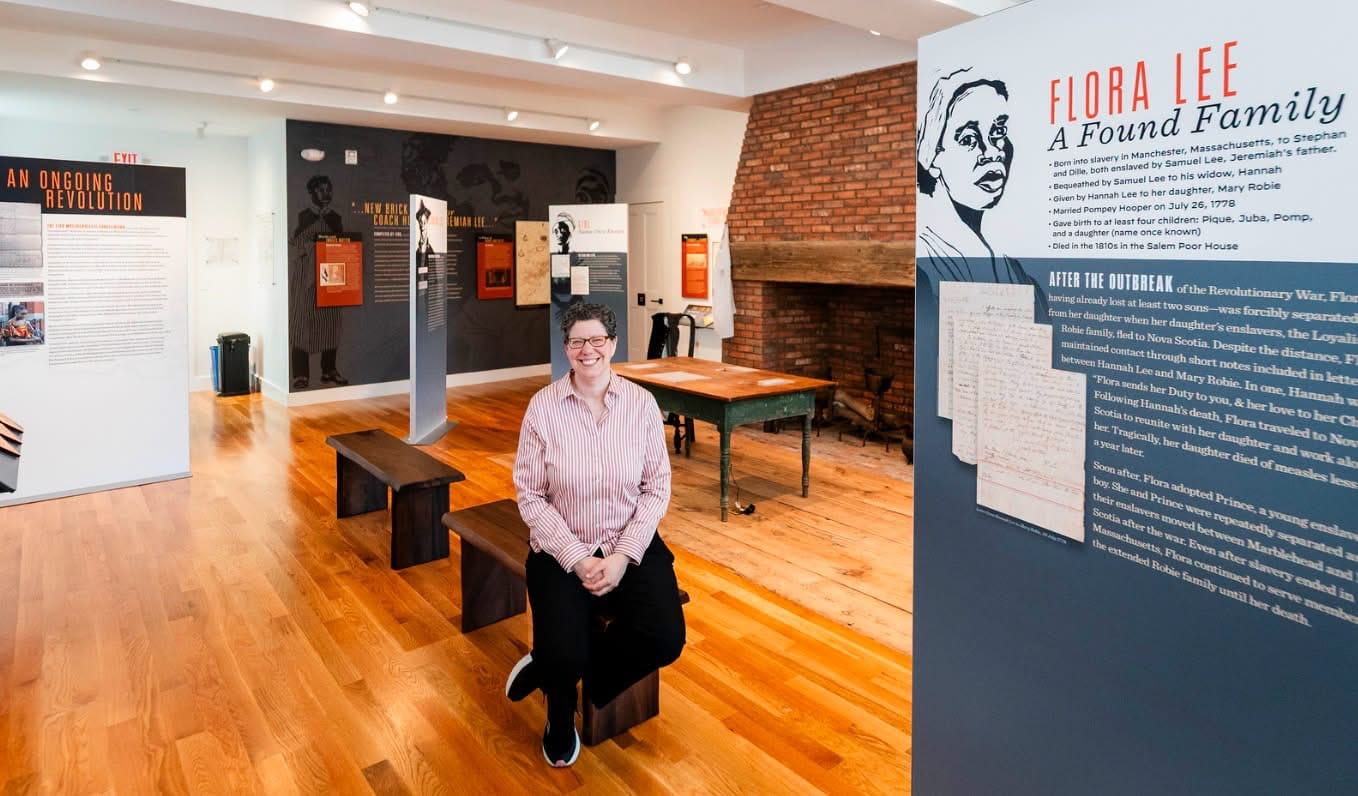
Marshall arrives after that work, into an institution that has committed publicly to telling those stories.
He does not arrive to an empty building. Associate Director Jarrett Zeman, the museum's lead on programming, remains; he declined to apply for the top job, McCormack said. The board, led by President Patty Pederson, ran the search. Marshall starts Monday.
While this story is still fresh, support helps keep local reporting like this free to read — from leadership changes at Marblehead institutions to the public records and background that show why they matter. The Marblehead Independent can do that work because readers make it possible, one story at a time. 🟦 Become a member here.