Table of Contents
Get our free local reporting delivered straight to your inbox. No noise, no spam — just clear, independent coverage of Marblehead. Sign up for our once-a-week newsletter
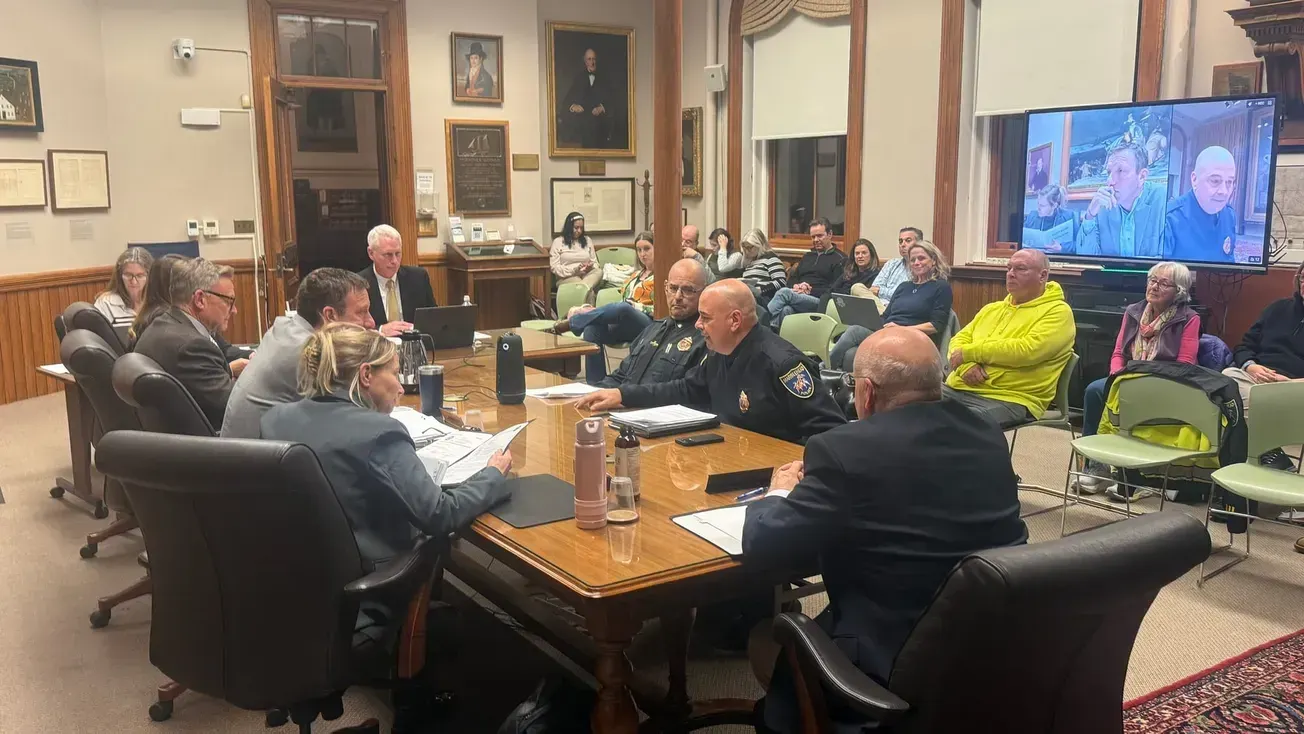
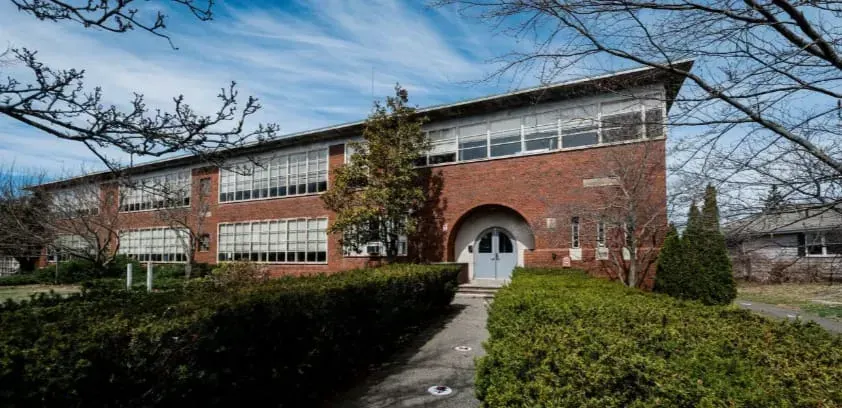
Marblehead leaders agree the town should finally invite developers to remake the former L.H. Coffin School.
What they could not settle Wednesday night was how much of the roughly 3-acre property to hold back for the public — and whether to decide that before any proposals come in.
The debate over the shuttered Turner Road property has become a test of how Marblehead balances a well-documented housing shortage against neighborhood scale, the town's scarce open space and its own reluctance to give up control of one of the few large parcels it owns.
No vote was taken, and no request for proposals has been issued.
Select Board member Moses Grader pressed to reserve a slice of the site for town-owned open space up front, arguing the town should not leave that choice to a private bidder.
"To figure out what land we want to keep in the public domain is one of our top jobs," he said.
He pointed to the town's current dog park, which lost vehicle access after a nearby owner began developing his land, and warned that without a carve-out, "that's exactly what will happen" at Coffin.
Others cautioned that fencing off land before seeing any designs could discourage developers or shrink what the town gets back.
Member Rossana Ferrante favored a broad solicitation, saying more options serve the town better. Chair Dan Fox also leaned toward a wide-open request, calling the site a rare chance to ease the town's shortage of housing for seniors, veterans and workers.
Member Erin Noonan said the board could still write an open-space preference into the request and negotiate later, while pushing colleagues to commit to housing. She urged consensus on prioritizing affordable units and housing other than single-family homes, citing a housing production plan the town adopted in 2021 that flagged an acute shortage of both.
Zoning and cost shape the choices
Brendan Callahan, who is drafting the solicitation for the Community Development and Planning Department, walked the board through what the site can realistically hold.
The parcel sits in a single residence district, where single-family homes are allowed by right but more than three lots would still need Planning Board approval, he said. Duplexes could require incentive zoning, and any multifamily building would likely need a zoning amendment at Town Meeting.
Redevelopment scenarios developed with a University of Connecticut brownfields team ranged from about 10 single-family homes to roughly 18 duplex and single-family units to as many as 22 units reusing the school.
Callahan added that a hazardous materials study confirmed asbestos and lead-based materials, with early estimates of $340,000 to $460,000 to demolish the annex and $930,000 to $1.2 million to take down both buildings, before design and construction. The town does not have a current survey of the land.
Town Administrator Thatcher Kezer described the solicitation as low-risk.
"There is no commitment being made by going out" to bid, he said, because the board can reject every response and rewrite its terms or seek a zoning change if nothing fits.
Proposals would be scored against criteria the board sets, he said, with the tension between maximizing housing and preserving open space left for developers to solve.
The sharpest case for public land came from the Recreation and Parks Commission, which already mows and schedules the field at the site.
Chair Karin Ernst asked the board to keep about 37,000 square feet — just shy of an acre, or roughly one-third of the parcel — under her department's control for a playing field, a possible dog park, a community garden or other flexible use.
"Once you sell it, you never get it back," she said, asking officials to speak of "public open land" rather than open space so access is guaranteed.
Ernst said the town's 2009 dog park, off Lime Street, has become nearly unreachable after losing its road access, most recently this year, leaving only a steep path from Reynolds Field that department trucks cannot climb.
How it got here, what comes next
The building has sat empty since 2021, when classes moved to the new Brown School, and the School Committee handed it to the Select Board at May 2025 Town Meeting, giving the board final say over its fate.
A municipal Expression of Interest last year, which invited town departments to pitch uses, drew five ideas — cemetery expansion, battery storage, a dog park, affordable housing and temporary boat storage.
A separate request for information brought outside concepts, including a proposal from the nonprofit Harborlight Homes for about 40 affordable apartments, estimated at $28 million to $32 million.
That plan, which would lift the share of Marblehead housing counted on the state's Subsidized Housing Inventory from 3.85 percent to 4.2 percent, drew audible pushback at an earlier meeting.
Zisson recalled "gasps in the room" and said the surrounding single-family neighborhood "deserve some open space."
Callahan said he would circulate a draft request for proposals and bring it to the board's first meeting in August. Fox said the board should square its plans with the Planning Board before going out so a rejected concept does not waste anyone's time.