Table of Contents
BEFORE YOU GO … Our reporting remains free and open to all. It is sustained by readers who choose to support it — by contributing so that routine, document-based local reporting continues without paywalls or promotional framing. Right now, 120 readers support The Marblehead Independent with monthly or annual contributions. Click here to become an Independent member.
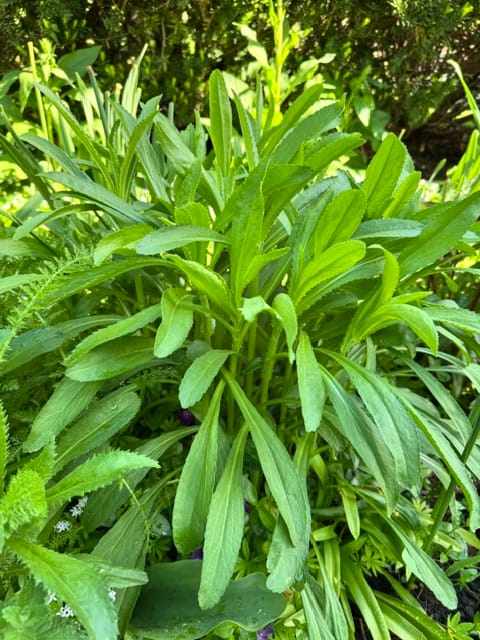
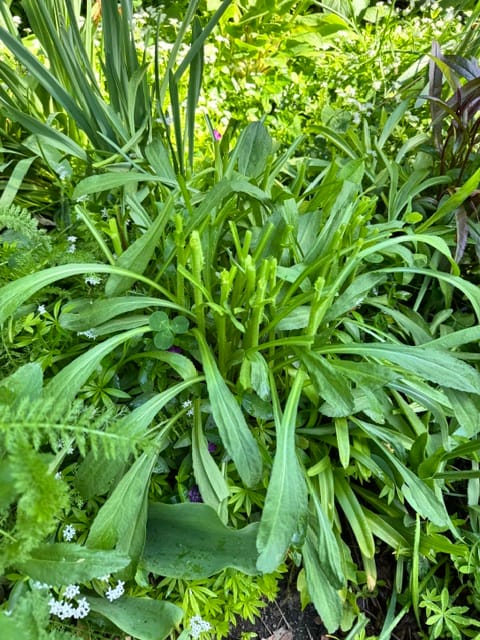
The Chelsea chop! Here is a pro tip that everyone in New England gardens can use to their advantage! If you want less floppy flowers, more flowers, and much stronger stems, this time of year you can take many of your herbaceous perennials down by one-third! Chop them! It is a trick that is named after the amazing flower show on the Chelsea Hospital grounds just outside of London. The time to do this is now, just before the plants flower and at the exact week the Chelsea Flower Show opens up. When the plants are about 8 to 18 inches tall, chop them. It seems counterintuitive, I know, but trust me. If you are still hesitant, you can just try it on the front half of your plant and leave the back side alone. This works very well and I used this method on my phlox last year. The plants that respond best are the vigorous late-summer and fall bloomers that often get leggy. The plants that benefit the most from the Chelsea chop are: asters, garden phlox, Shasta daisies, joe-pye weed, sedum autumn joy, goldenrod, helenium, bee balm, salvia, yarrow, black-eyed Susans, veronica, chrysanthemum. Just remember, if you see a tiny flower already starting, skip it this year and make a note to do it earlier next year. (My yarrow and veronica are already budding.) The timing is generally May 25 to June 10 in Marblehead. Shasta daisies respond best to this method. Keep in mind, this method will delay flowering, so try it on some plants and see how it goes for your own garden
Now, back to the show, Chelsea Flower Show, that is. This exact time last year I was lucky enough to go to the show. It was phenomenal and overwhelmingly exuberant! Right now the Royal Horticultural Society (RHS) and the British Broadcasting Corporation (BBC) are presenting it on BBC Select streaming service and it can also be found on YouTube. (See link below for highlights.) The show gardens are a designer's dream and can seem over the top to an average gardener. But there are ideas that can be inspiring, especially the water elements. The real stars for me are the growers in the great pavilion who excel in their particular specialty. Just look at some of these flowers from last year! I loved being able to meet the growers and ask questions. The David Austin display blew me away. The hardest part for me was not being able to buy anything to bring home. If you love to garden, put this flower show on your travel wish list. Join the RHS and you can go in on a members-only day and get access to many resources.
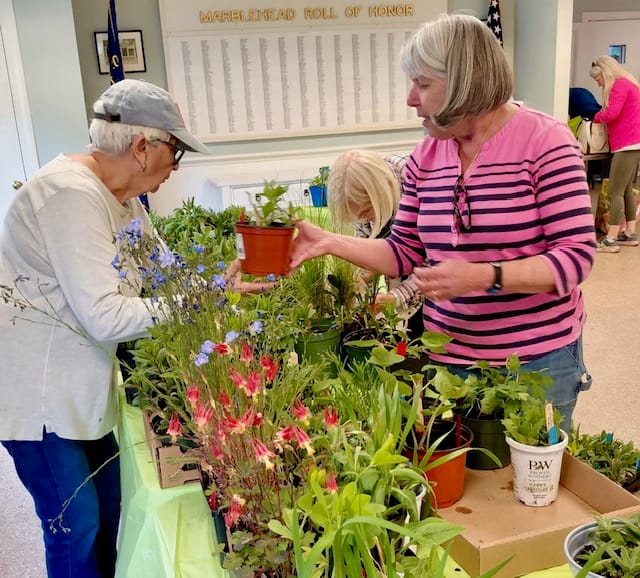
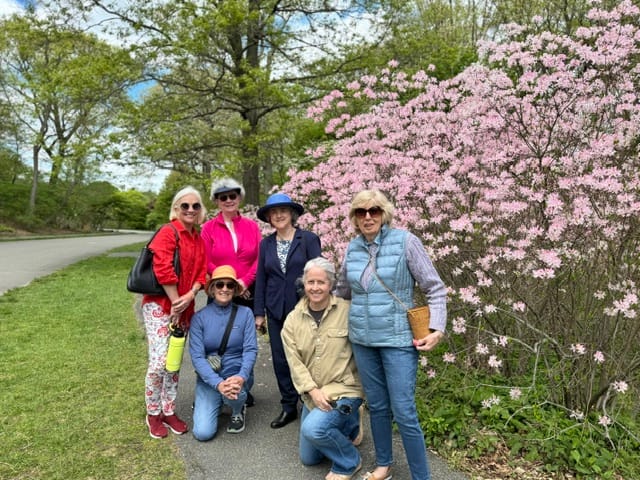
Last week, my garden club, the Cottage Gardeners of Marblehead and Swampscott, were very busy. We held our extremely successful plant sale and went on a guided tour of the Arnold Arboretum. We were at the Arboretum just in time for the lilacs in full bloom. Our docent answered all of our curious gardeners' questions. It was a beautiful day.
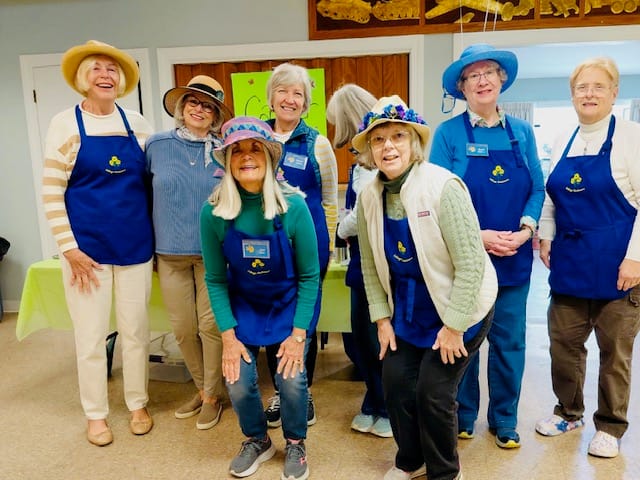
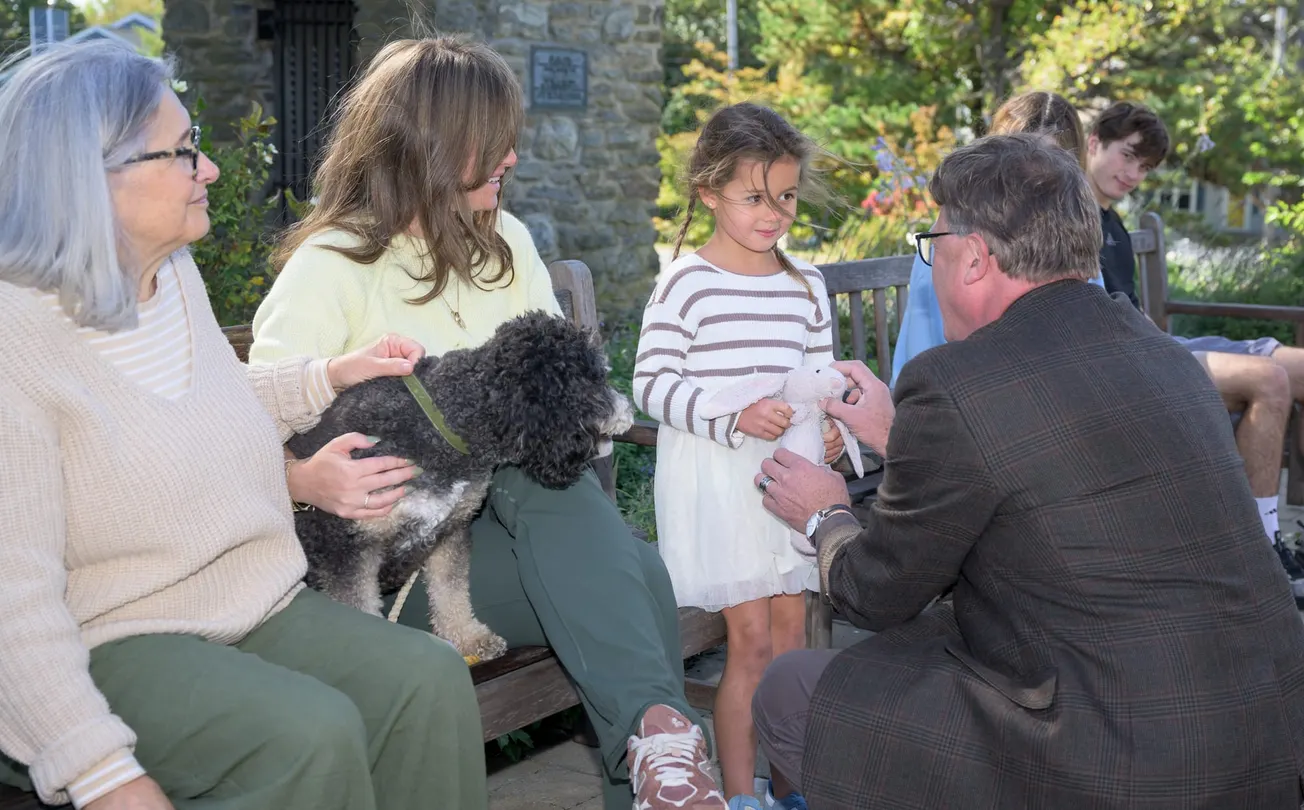
In between all of this, we were invited to the Marblehead Veterans of Foreign Wars (VFW) for a celebratory drink at the Bunker, which surprisingly to all of us, is open to the public, not just veterans. We met Commander Ronny Knight and all became members of the VFW Militia!

Now, if all the above wasn't enough, the garden calls and there are lots of jobs to do right now. I am busy dragging hoses, mulching, and weeding. I have noticed that the weeds are really prolific this week. I have found three different types of weeds that I have not seen so invasive in years. Thankfully, I am also blessed with loads of tiny hydrangea buds and rose buds too! This is going to be a good year! But back to chores:
Now is the time to fertilize your roses. Plant out all seedlings like cosmos and zinnias and finish hardening off the tomatoes and cucumbers. Get your tomatoes and cucumbers outside and plant them, yes, this is the week to put them in the ground. I have been holding off to be safe. So much to do around this time of the year. Who has time for the gym?
Get dahlias outside now! It is time to transfer dahlias into pots. Place them in your spring bulb pots that were previously filled with tulips and daffodils. As I said in my last column, you can put your spring bulbs in a plastic container to continue their process of absorbing nutrients or plant them in your beds. Oftentimes, tulips are not reliable bloomers and can be tossed out. If the dahlias are the very tall variety, they will fit nicely in your sunny borders. Remember, they will need staking. Also, bunnies will love eating them, so consider a wire cage too.
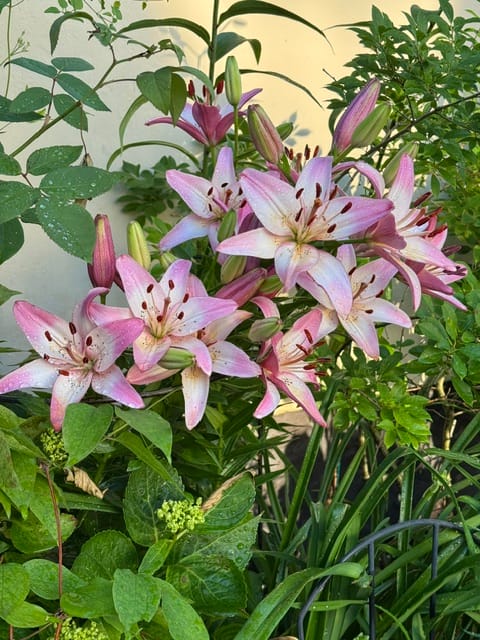
Now is a good time to plant stargazer lilies. They are known as Oriental lilies. They are gorgeous and fragrant and easy to grow. Lots of beautiful varieties at the Marblehead Garden Center in bags right between the cashier's outside stands. I grow them in my borders and in pots. I just love them. A good online resource for exploring the different types is: https://brentandbeckysbulbs.com/?s=lilies&post_type=product&dgwt_wcas=1. These lilies are reliable perennials. I have had some for 20 years!
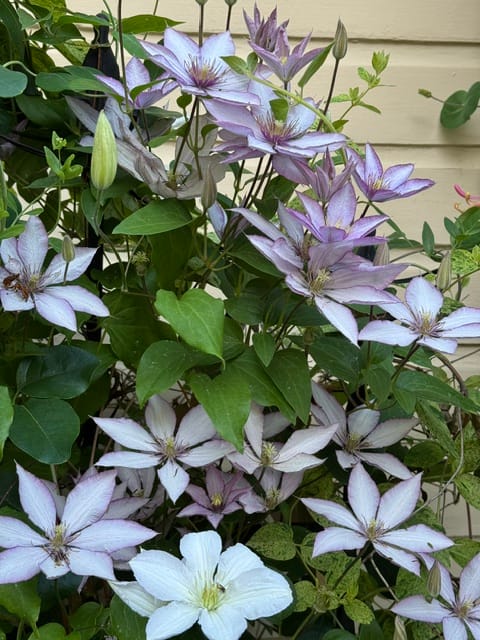
If you have a clematis, tie it up and support it now. If you don't have a clematis, go get one at the Marblehead Garden Center! They are climbing vines that have beautiful and interesting flowers. Owning a clematis brings a vertical element to your patio and garden. Once you own a clematis, it seems you have crossed a definitive line of becoming and calling yourself an actual gardener. They are delightful! Some think they are challenging to grow. I think choosing the right variety can help with this. I would start with a single flowering type, not a double. Clematis have massive yellow roots that want lots of space and like to be planted deeply. Please do not worry about how to pronounce clematis. I have heard it pronounced three different ways just this week on Gardeners World and at the Chelsea Flower Show. To look further at easy clematis types, try this website to explore them. If you are already a gardener, this website is for you. You got this!