Table of Contents
Get our free local reporting delivered straight to your inbox. No noise, no spam — just clear, independent coverage of Marblehead. Sign up for our once-a-week newsletter.
Who says spring is around the corner? We aren't buying it. Old Man Winter isn't quite done with us, and it's highly likely he'll throw more snow at us. That means more chances to do some winter tracking.
We both get a kick out of seeing animal tracks in the snow, but for different reasons. Chris enjoys observing the animals and seeing the tracks they leave on her tiny deck in Nahant. They make her happy. Wendall is more analytical and will follow a trail in Ipswich, get out the guidebook, and do some research.
However, we arrive at the same place: how much fun was that! So, we are each going to chime in here with a few paragraphs about winter tracking.
By the way, this is a great activity to do with kids because kids are natural finders. They love looking for things, and they notice stuff we adults miss. And, there are lots of tracks to be seen, even in the congested areas of Marblehead. Wildlife, and domesticated animals, are all around us.
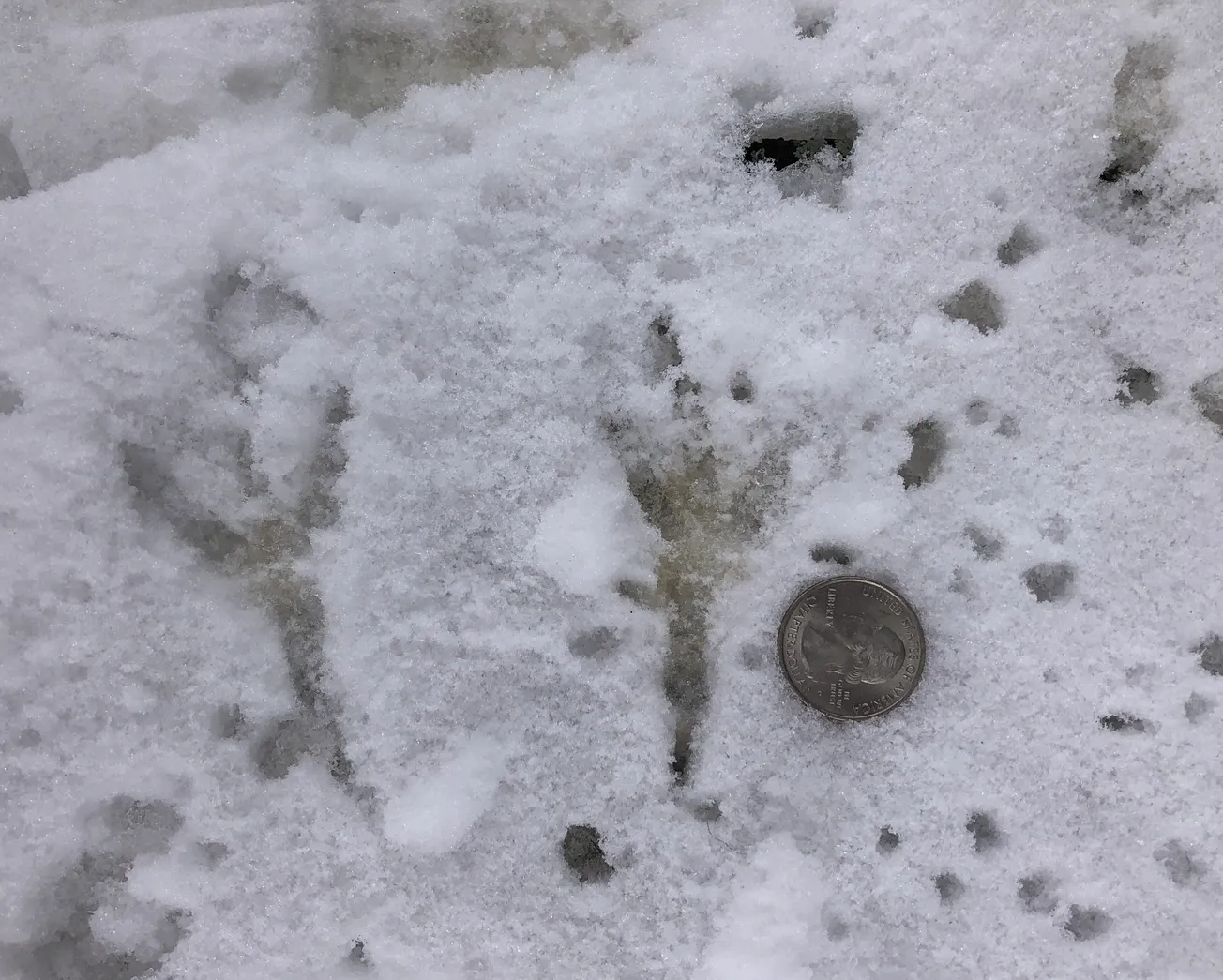
CHRIS STEVENS: I know the winter snow gets old, but I will tell you one thing that never fails to make me smile is when I open my front door and see all these little bird tracks on my front porch.
I can just see all those starlings and sparrows and cardinals, and birds I don’t know what they are, pacing back and forth willing me to come out and feed them.
Perhaps I should be worried that they clearly know who is responsible for filling their feeder, and that they know where I live. I suppose an Alfred Hitchcock scenario could unfold, but I like to think they know I have their feathery little backs on a cold winter day, even if I’m not as timely as they’d like.
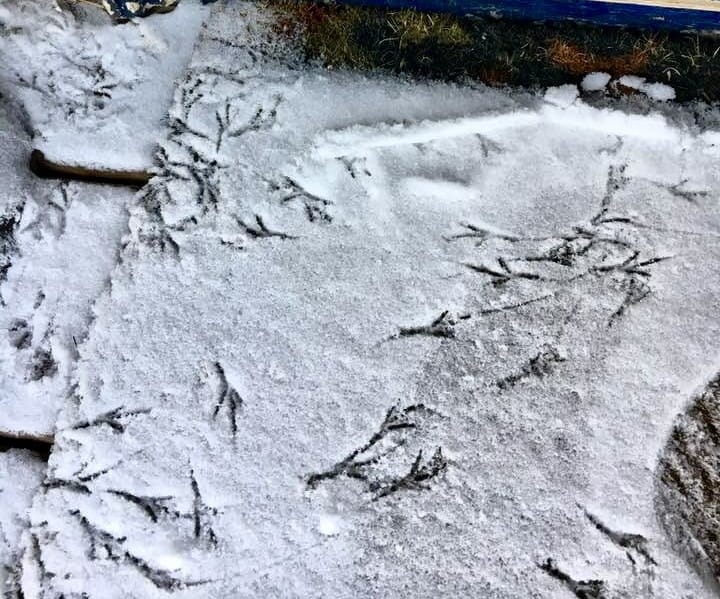
I was surprised the other day when I slid open my back door and found possum tracks crossing my tiny deck, which is pretty packed with snow these days. I don’t know a lot about possums, but I know I kind of love them. They are nature’s bug zapper, and we have one or two that visit us throughout the warmer months (I assume it’s the same one or two, we don’t tag them or anything), but I didn’t know they came out in the winter. Turns out possums don’t hibernate, and though they’re usually nocturnal, in the winter they sometimes come out during the day to forage only because it’s warmer.
I know what you’re thinking, rat-like tails, beady little eyes, but I think they’re cute, and their little tracks in the snow look almost like tiny hand prints. And, again, they make me smile when I see them. And worry a little, because it’s cold and they don’t have a lot of fur!
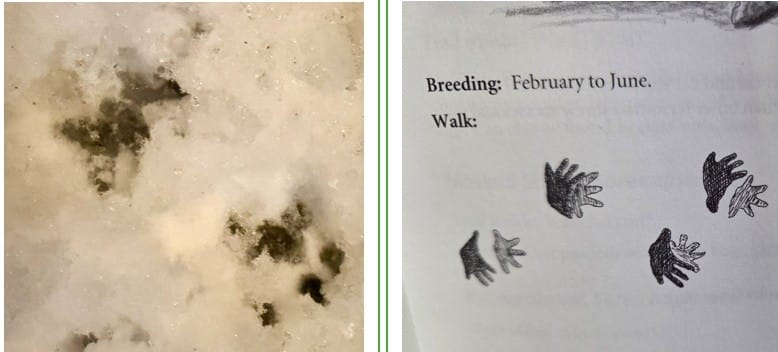
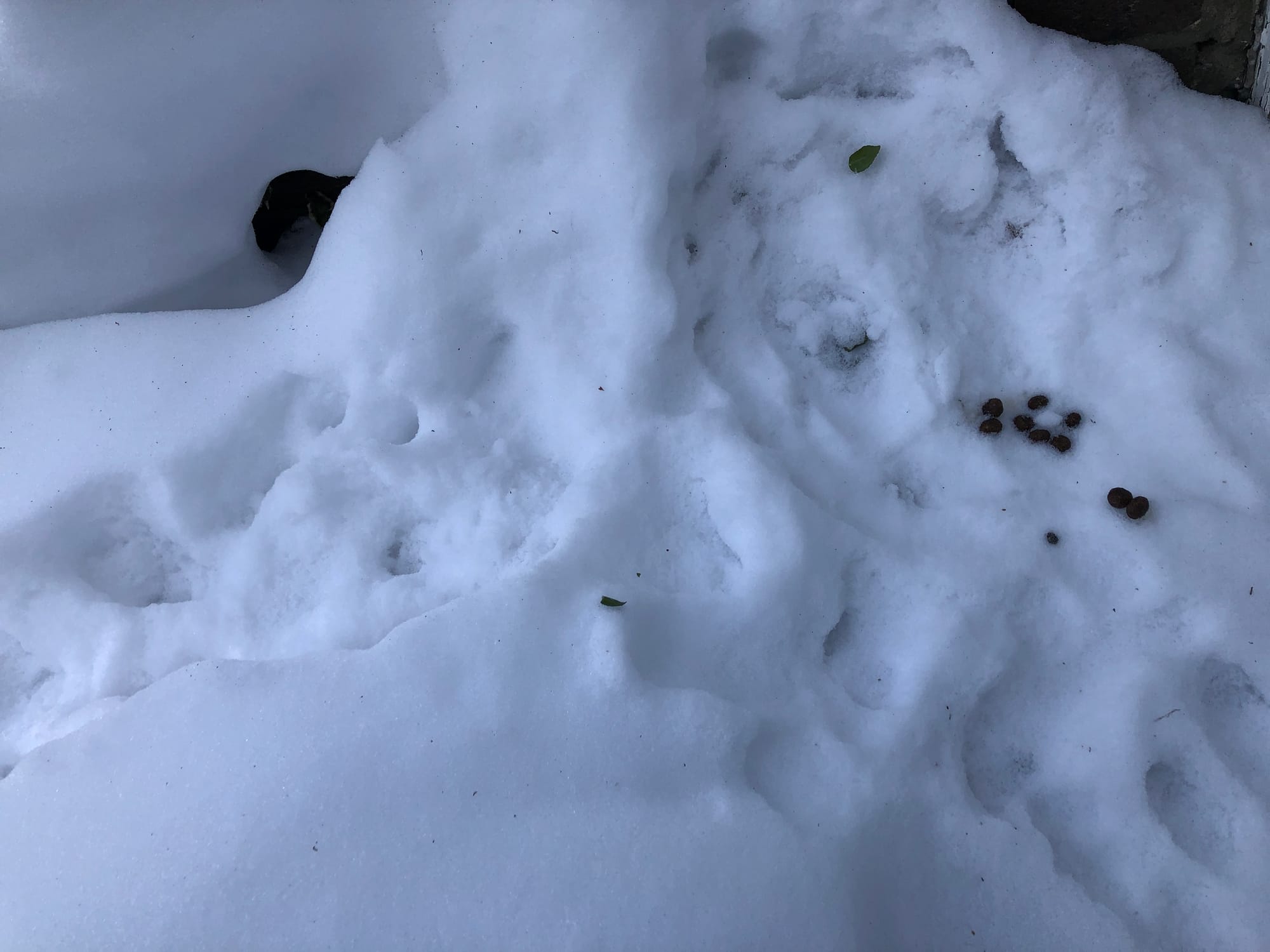
WENDALL WATERS: Tracking is like a little treasure hunt. One thing leads me to look for another. For example, I think I see some bunny tracks. I follow them to see where they lead. Next thing I know, I think I’ve found the opening to their winter hideaway under a shrub. I go out the next day, and not far from the entrance is another bit of evidence, little round bunny poops (scat).
The first thing I tell people about tracking is that it is not about getting it all right. It’s about exploring and learning and enjoying being outside. And, there is power in knowing what lives in your neighborhood. You see skunk tracks out there? Be careful.
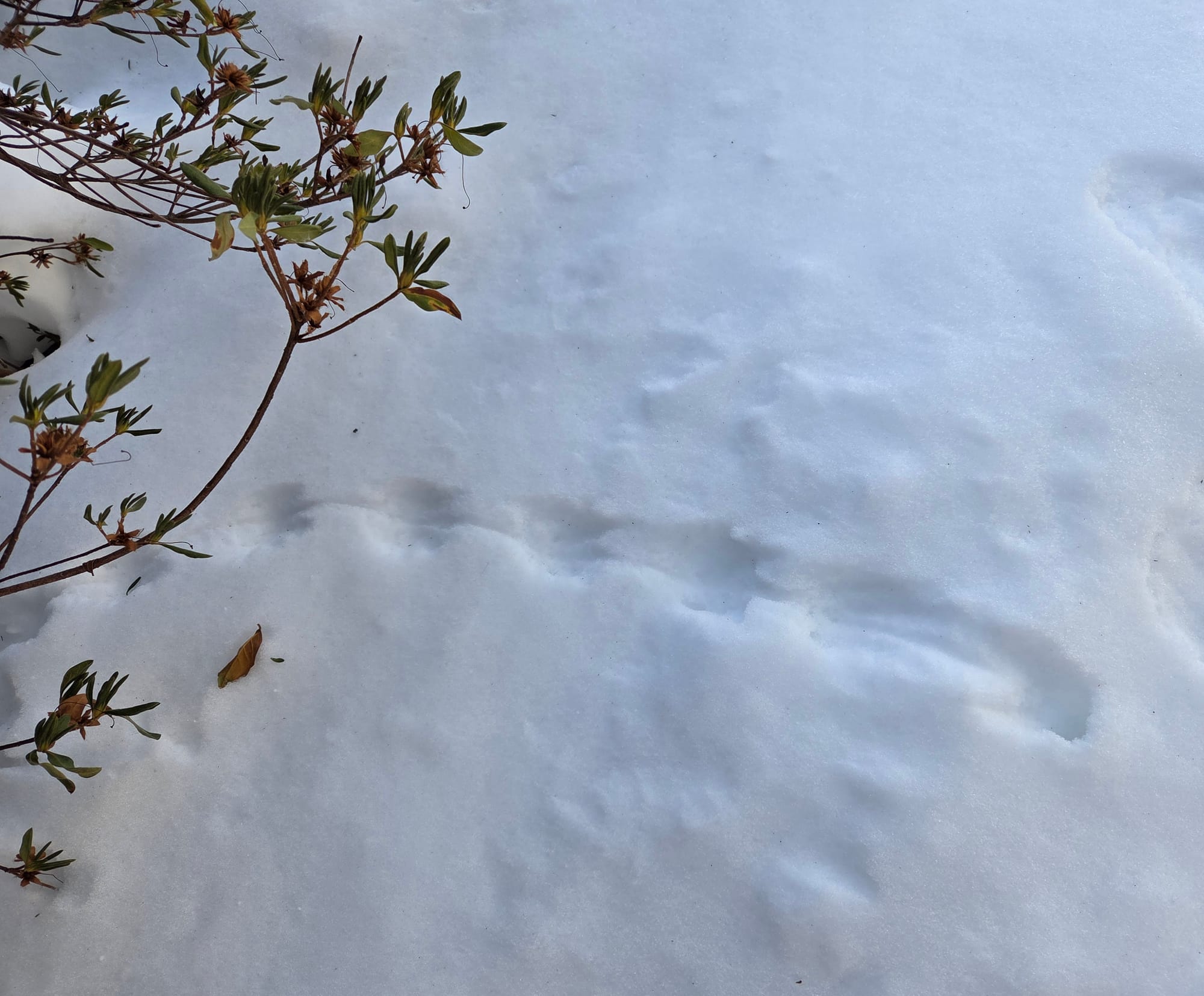
Things to consider when you’re trying to figure out who left a track:
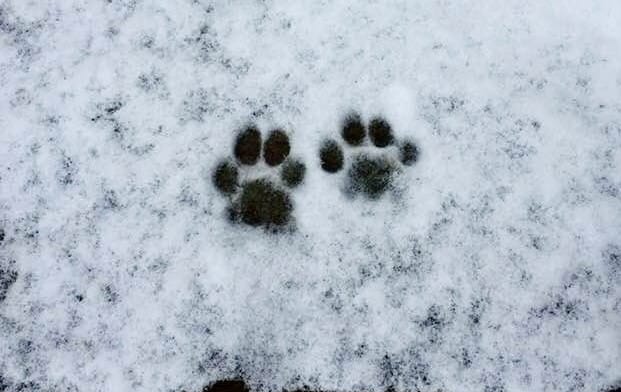
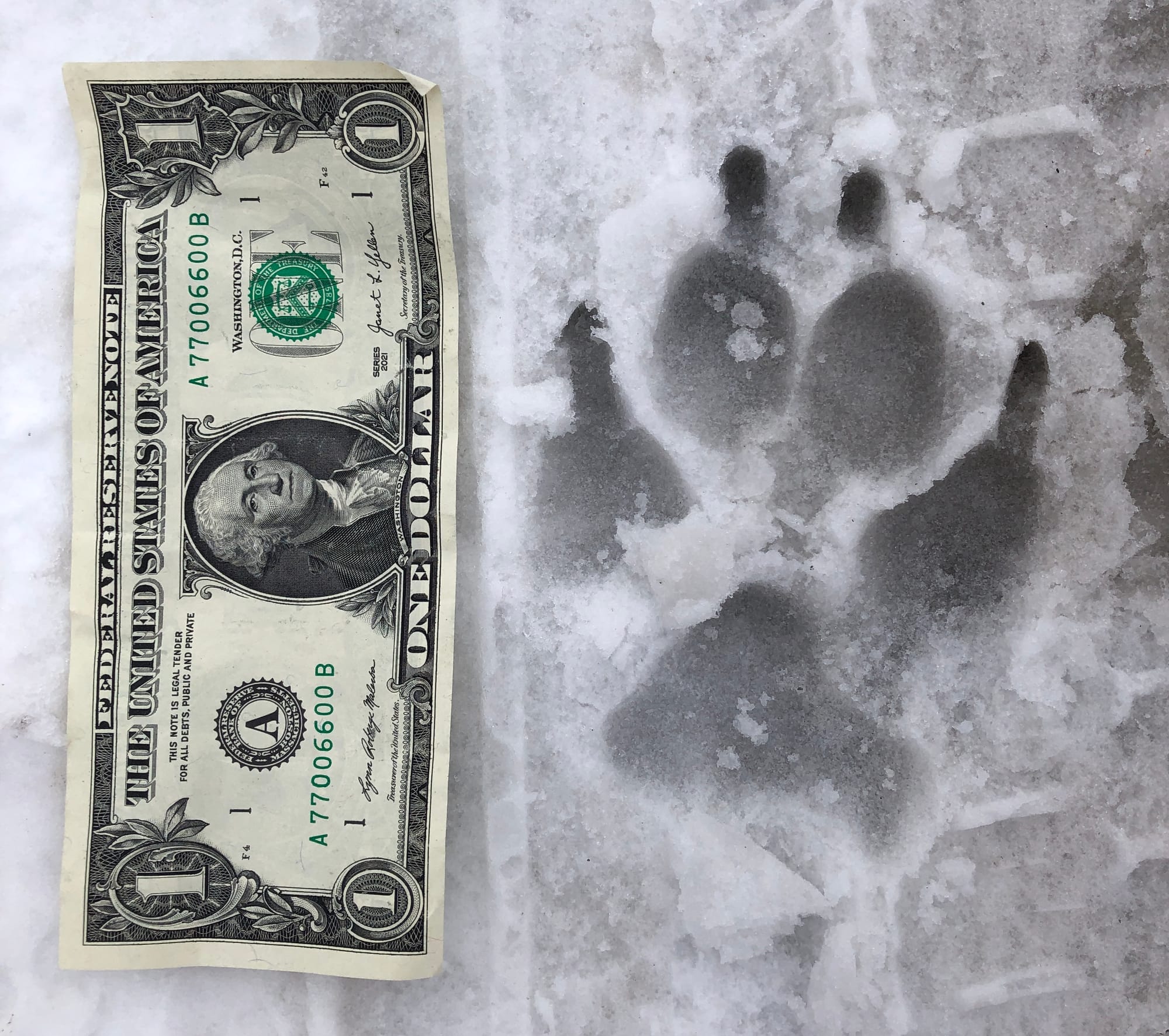
- Shape and size of the imprints: small and round, or large and oblong, or star-like? For example, cat prints are roundish and do not include claws. Dog prints are more oblong and you do see the claws.
- Environment in which you see them: near a wetland, by a city street, in a park?
- Patterns of the tracks: Are the prints in line, bunched up, or spread out?
- Other signs nearby: Scat, fur, a bunch of seed shells, feathers, a nest, a burrow?
- Condition of the snow: Just a little powder, deep power, or wet and mushy? If the snow is mushy, the prints may be blurred and might appear bigger than those left in a thin layer of powder.
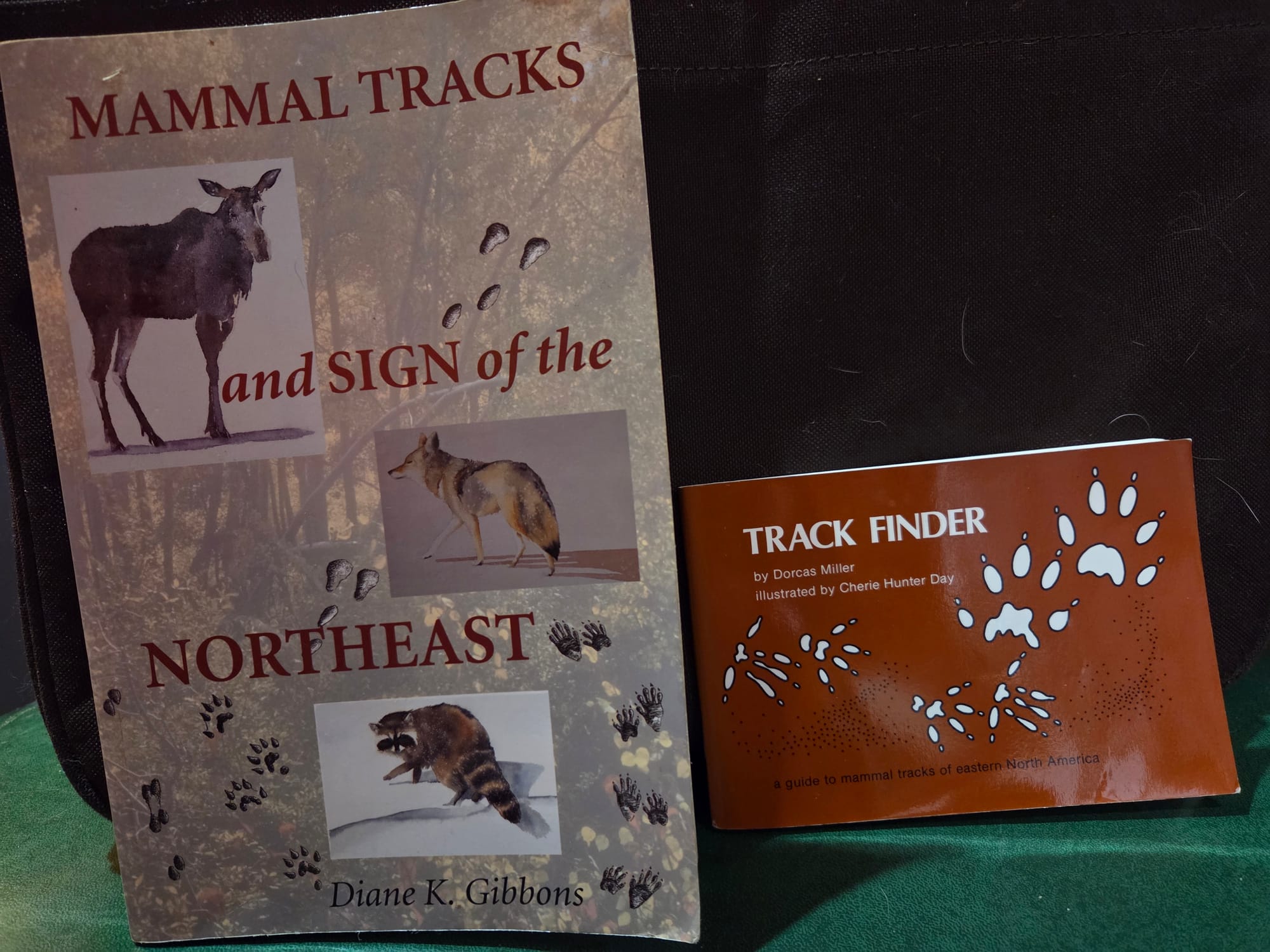
I have two great, illustrated guides I use for tracking: "Mammal Tracks and Sign of the Northeast," by Diane Gibbons, and "Track Finder," by Dorcas Miller.
Whether you decide to use a guide or just go out and see what you can see, have fun. Remember it is about the discovery. If you get photos of tracks, send them to us, and we will include them in an upcoming newsletter. Send to gottaknowmedford@gmail.com.
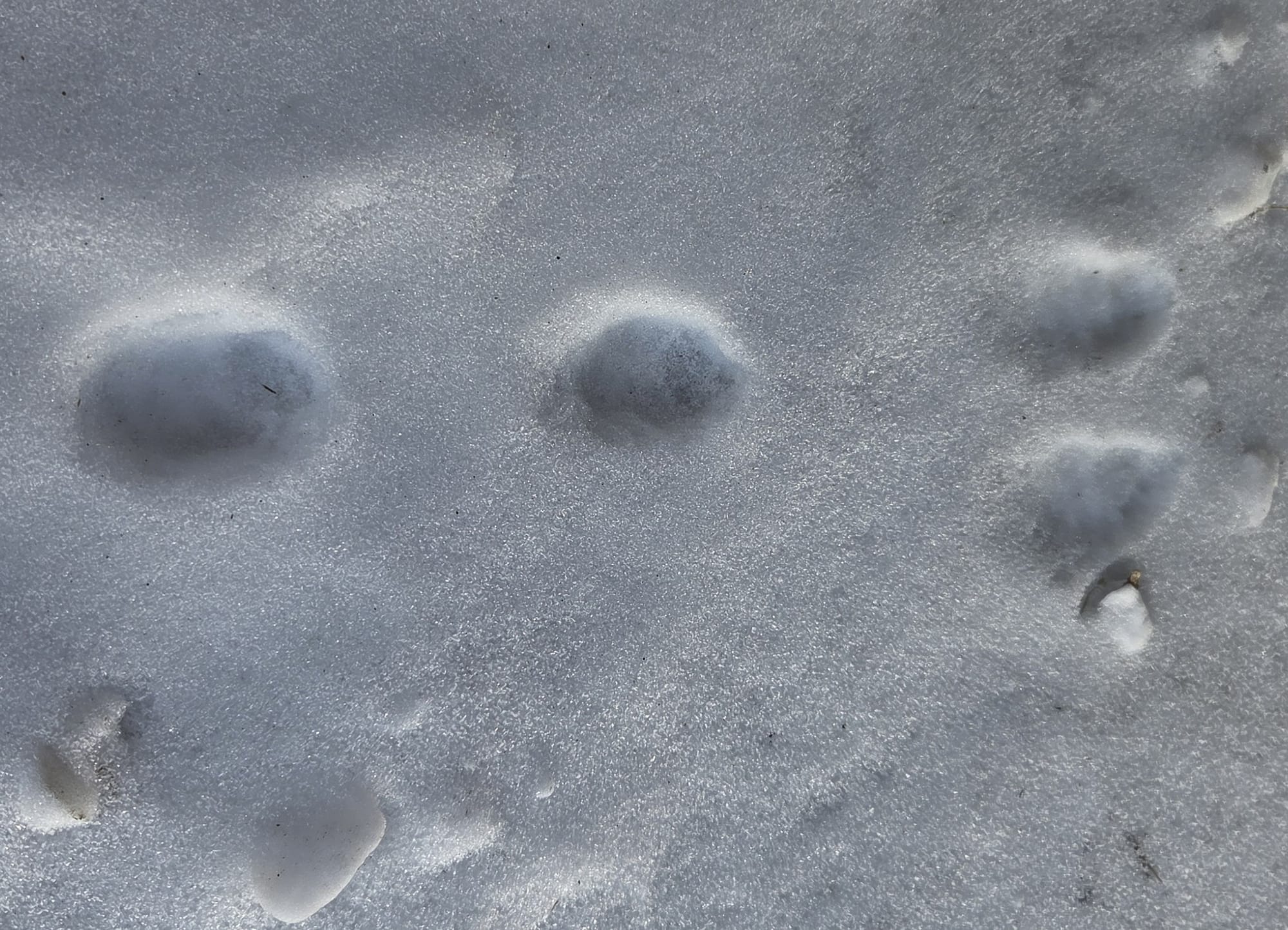
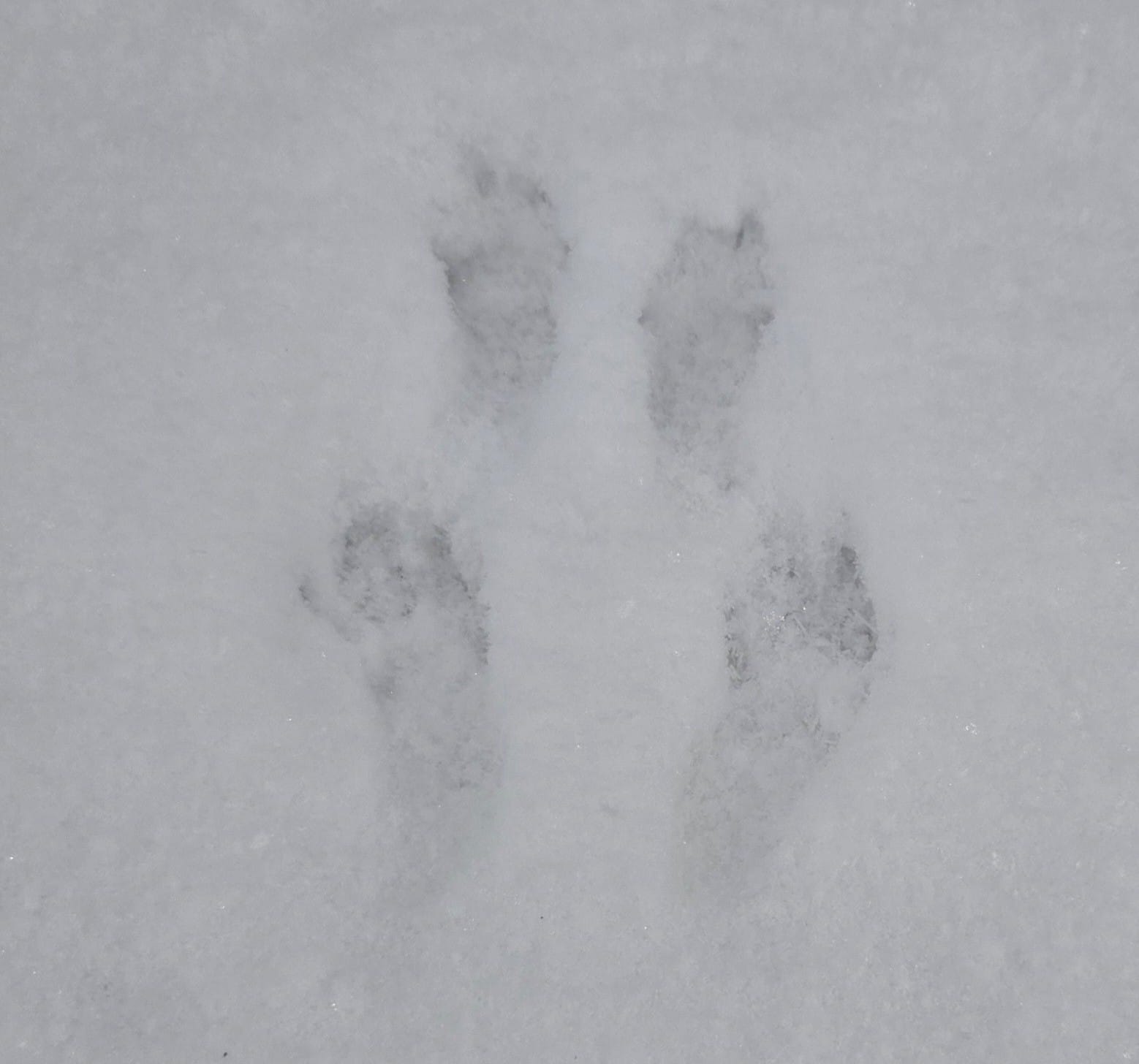
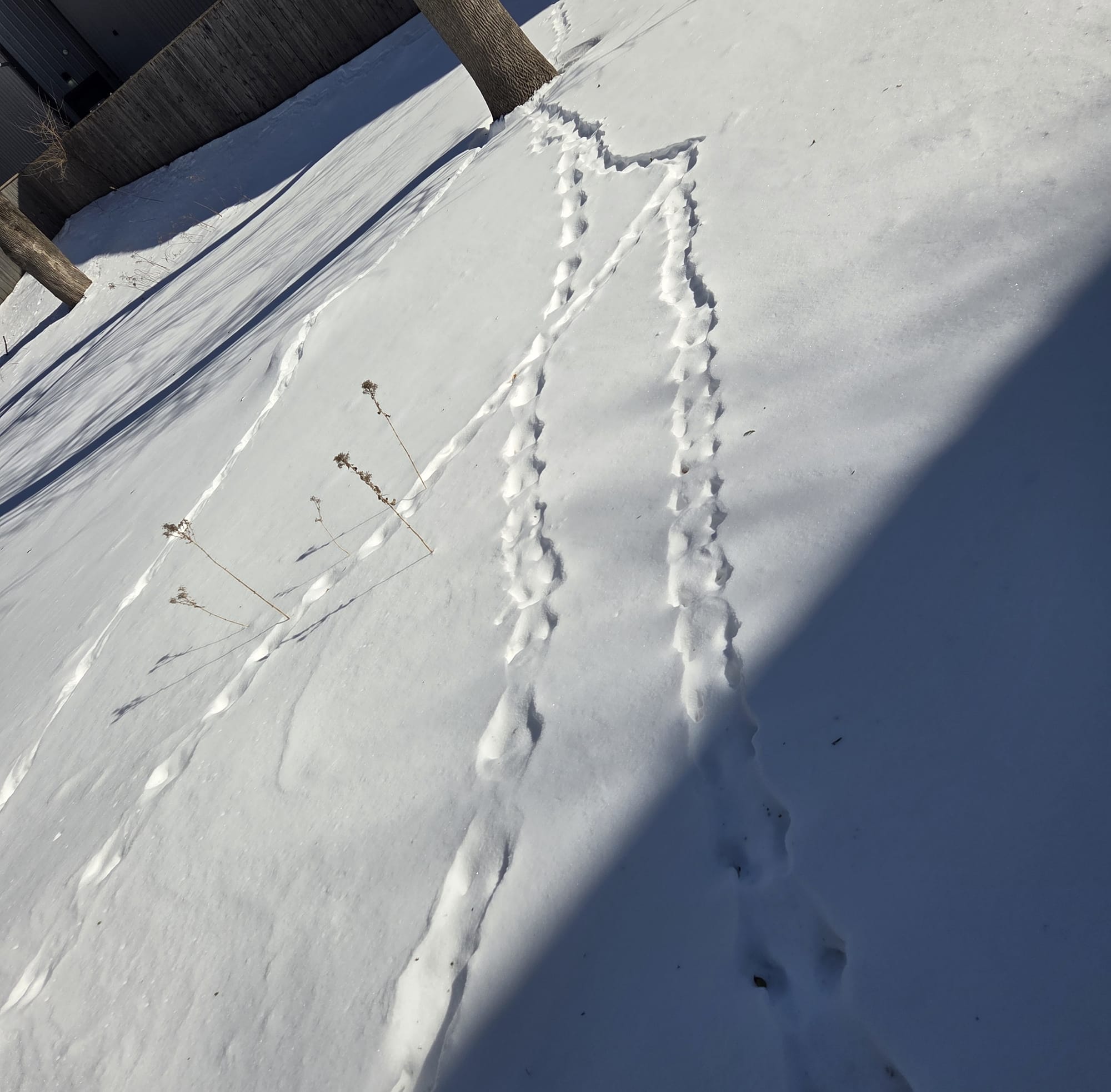
In the meantime, here are more photos of tracks:
Wendall Waters writes about nature for the Independent and has written the “Wendall in the Wild” column for years, sharing her knowledge of local wildlife and the outdoors. Chris Stevens contributes features and general news for the Independent, bringing a reporter’s eye to community stories big and small.