Table of Contents
Get our free local reporting delivered straight to your inbox. No noise, no spam — just clear, independent coverage of Marblehead. Sign up for our once-a-week newsletter.
For much of one year, Jodi-Tatiana Charles was home 74 days. The rest of the time she was on a plane, and when she wasn't sleeping she was writing — filling pages that became a children's book about the two years she spent helping run the Marblehead Festival of Arts, an event she had expanded and worried over until, to the people who wandered through it, it looked as though it had simply happened.
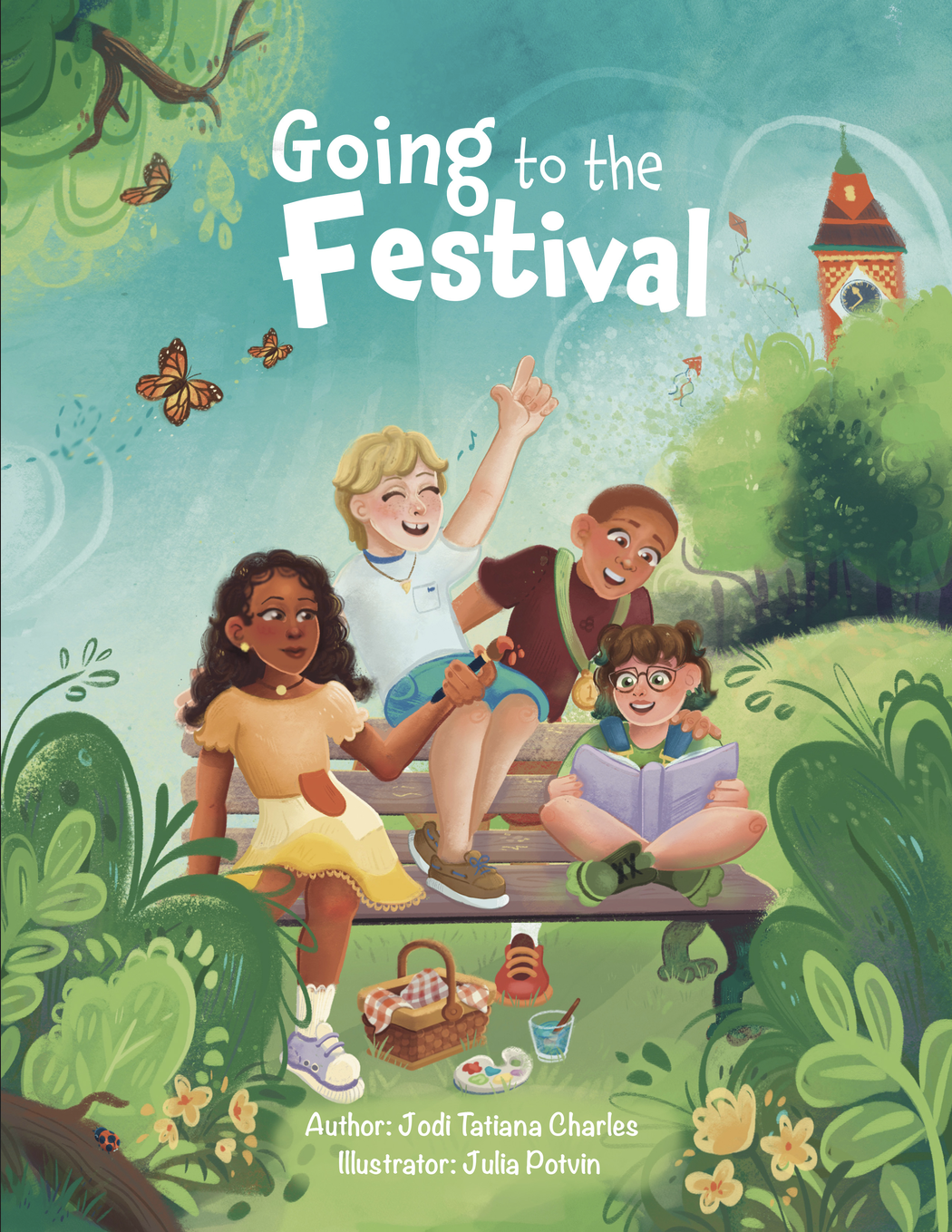
That gap — between a festival that feels effortless and the unpaid work that holds it up — is the whole point of "Going to the Festival," illustrated by Julia Potvin and published through Charles' imprint, Necto Publishing. The picture book was released March 1. It follows four friends at the start of summer who stumble into a weeklong celebration they never knew was happening in their own town.
Charles ran that festival for two years and did not get paid for it. She is blunt about what that cost. "It was two years of working for free," she said. "There were days where you're like, ‘What am I doing, why am I doing this?’" Her friends stopped their own work to help. Strangers noticed she hadn't eaten and brought her sandwiches. The days left marks — "the pains, the scars," she said — and she has watched other people walk away from that kind of labor bitter, unable to let it go.
Writing the book was how she kept from becoming one of them. It became, she said, "therapy," a way to hold onto the good days and set the rough ones down. She is a former teacher who taught in the 1980s, a marketing strategist and a writer who says she has to empty her head before the day can start. "I need to get all my thoughts out," she said. She had published one children's title before, "It's Just a Rug," in 2019. This one took about two years, most of them overlapping with the festival.
Four friends, a big tent and a week of hats
On the page, the four children find their way to the Chapeau Festival, where grown-ups gather under a big tent wearing elaborate hats and eating ice cream. An older man explains that the hats are only the start; the festival runs seven days, with something new each day. The children begin to take part — they volunteer, they help — and they keep circling back to the same startled question: how did they miss this, living right here?
That question came from real life. In her first year, Charles said, she kept hearing longtime residents say they avoided Old Town during festival week because they had already seen it. She set out to change that, adding a road race and other attractions, including, in different years, whales and snakes. New activities layered onto old ones are what keep people coming back, she said; sameness is what empties a festival out.
None of that happened without push back. Charles is candid that a small town keeps its resistance in reserve. She met monthly for two years with the fire chief and the police chief, who told her yes and no and helped her understand what a crowded week could safely hold. She took 4 a.m. planning walks with a collaborator whom she took to calling her festival husband. The book carries all of it as a thank-you — to the volunteers, the board, the stores and restaurants, the musicians, the runners, everyone whose work never shows.
A collaboration, then an argument about dollars
The book is dense with private references. Charles said she tucked "Easter eggs" throughout, drawn from Marblehead, from Brockton and from festivals she has attended over a lifetime. Copies have reached readers as far away as Portugal and Mexico, she said.
Potvin was Charles' intern during the festival, a design student in Sarasota, Florida, who had never illustrated a children's book. The story did not come together on its own. The book's editor, Alexandra, who lives in Boston, kept finding the seams a stranger would notice — the connective moments Charles and Potvin left out because they knew the festival too well. "You're missing so many parts of the story," Charles recalled being told. So they rewrote, and added illustrations, and rewrote again.
Underneath the hats and the ice cream, the book makes an argument about how a town pays for itself. Charles talks about it in dollars. Money spent at the muffin shop or on a festival ticket stays in town, she said; it becomes a scholarship, or a part-time job for a high school student, or a reason a shop can keep its lights on. "We all need each other to thrive," she said. She is careful lol, though, not to claim Marblehead as the only place worth loving. Asked what she would tell children who don't live somewhere like it, she pushed back on the premise. "I think it would be unfair to sit there and assume or say that we are the only special place," she said. What she wants is for children to find theirs, volunteer for it and maybe one day run it.
Books children get to keep
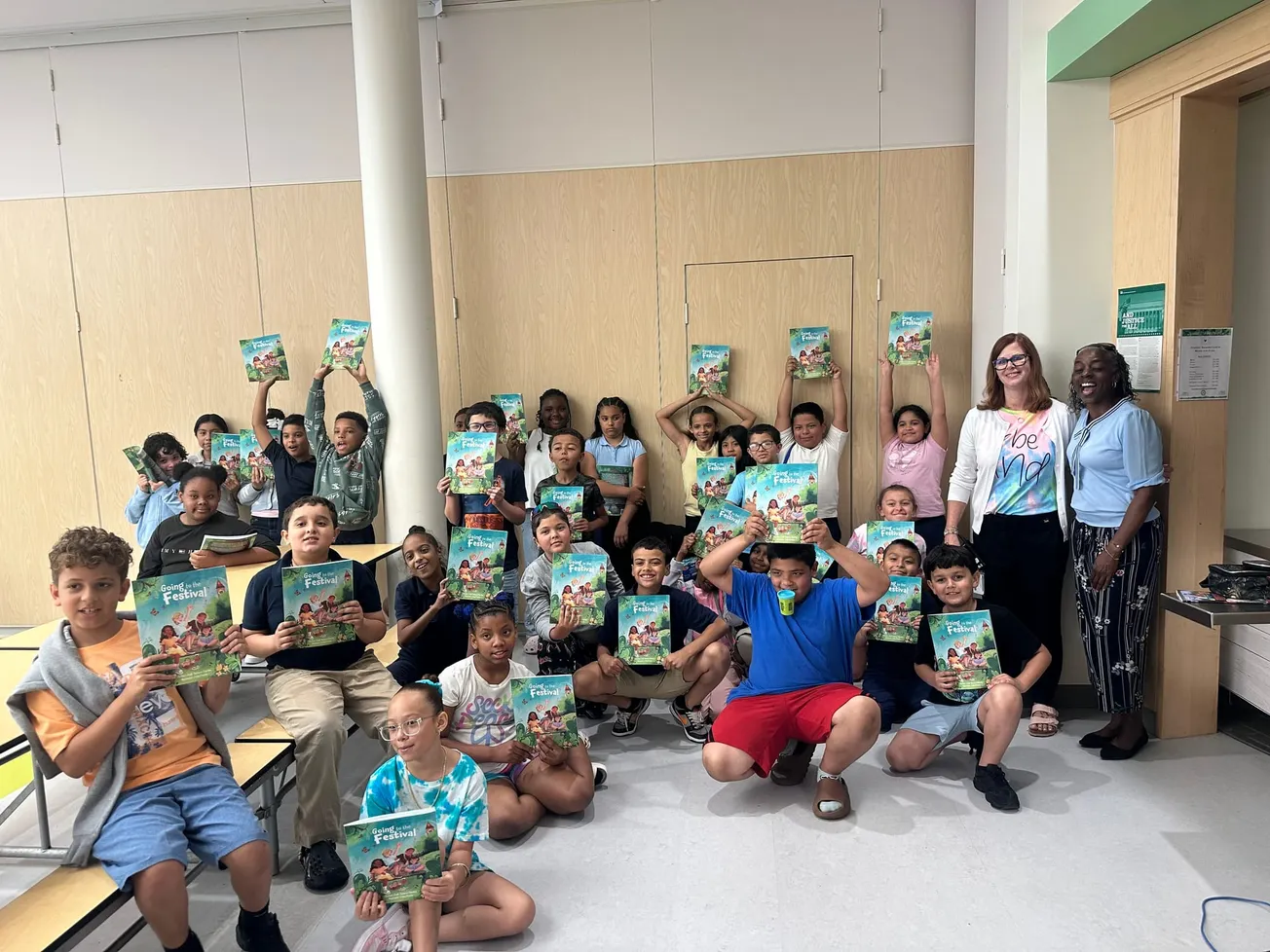
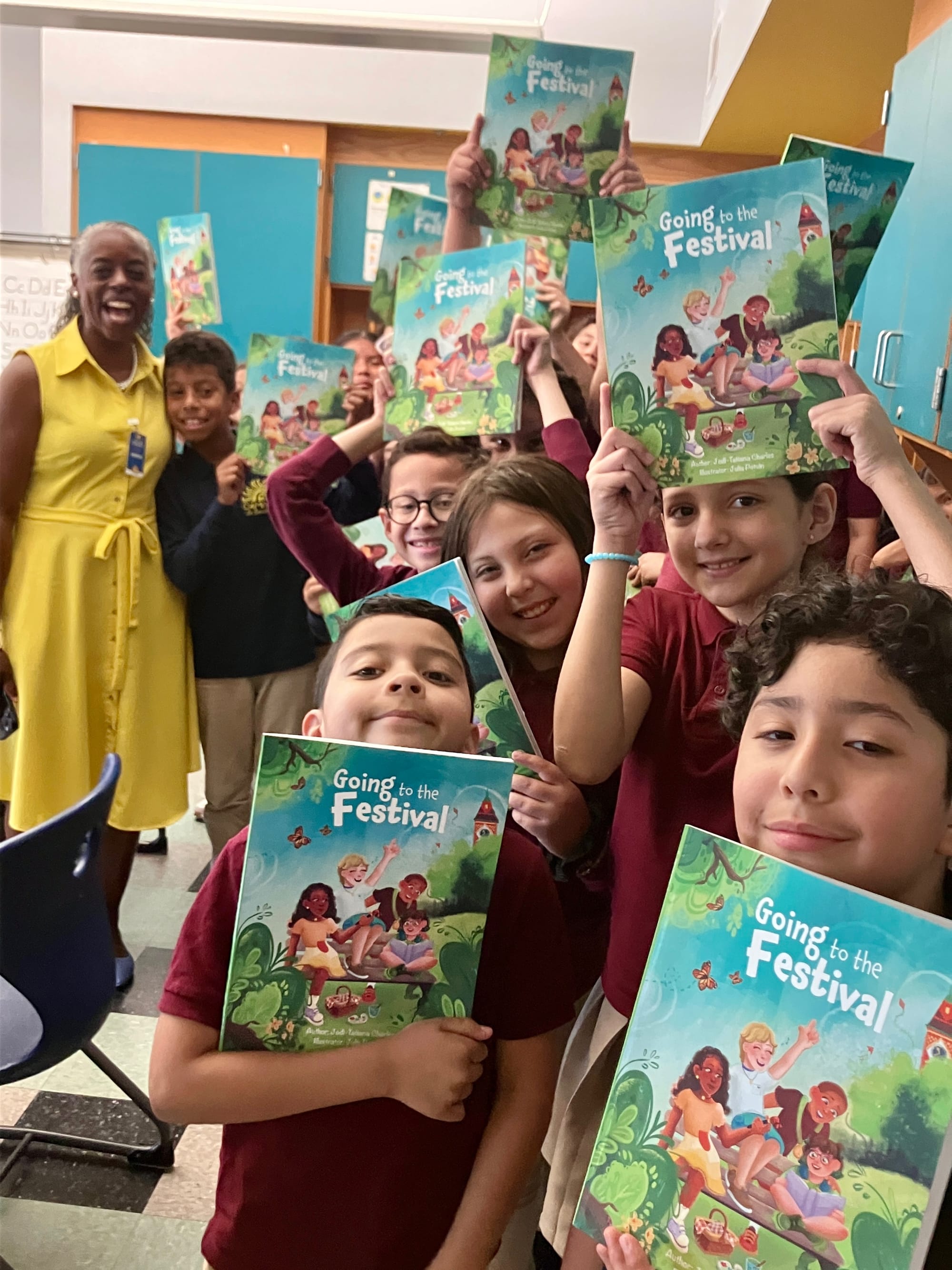
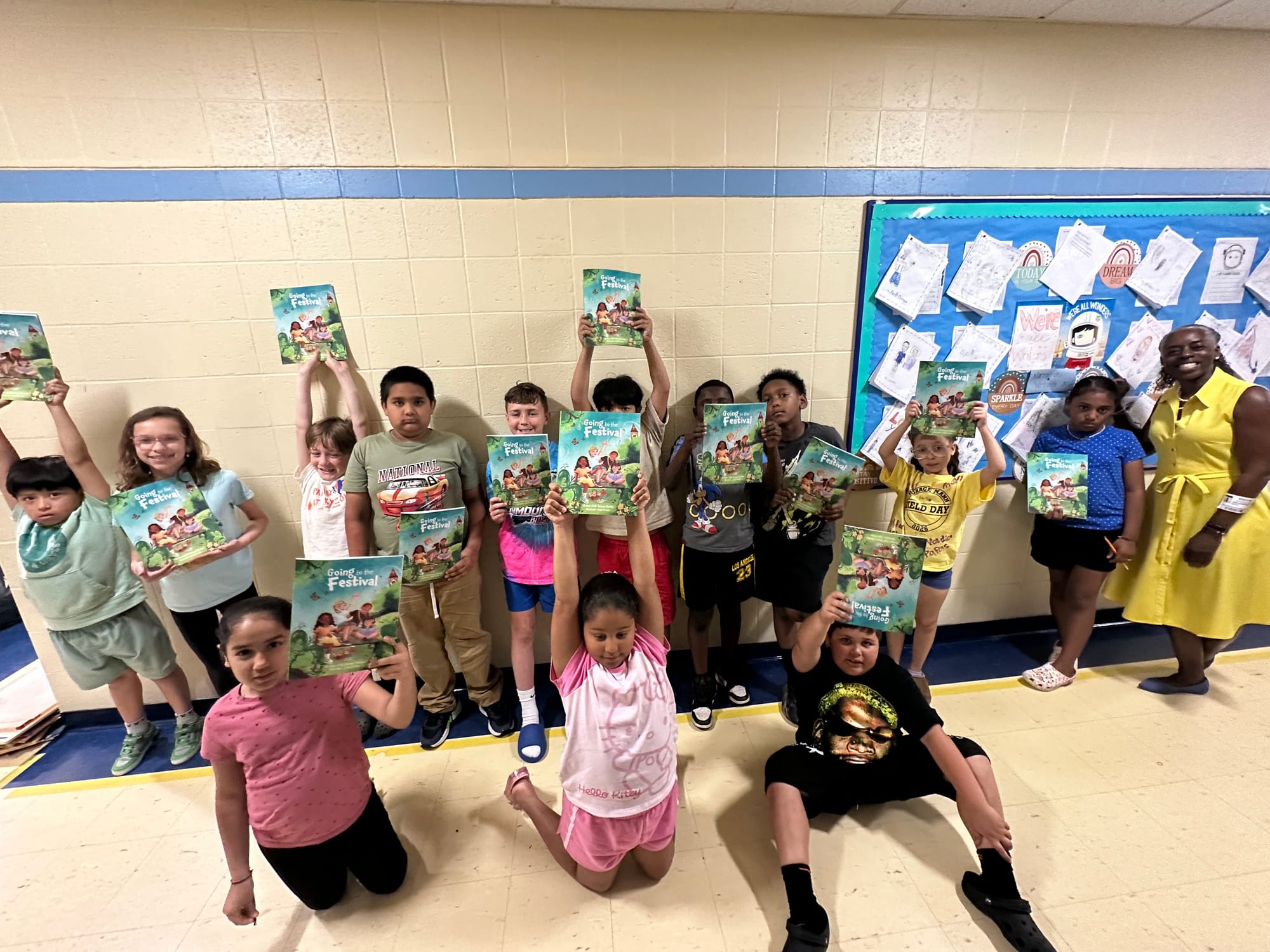
The instinct that had Charles working the festival for free is now aimed at classrooms. Over the past several weeks, she, Potvin and their colleague Sarah have hand-delivered "Going to the Festival" to hundreds of 3rd graders across Massachusetts, in Brockton, Chelsea, Salem, Holyoke, Springfield and New Bedford — at Gilmore School, George F. Kelly Elementary School, Horace Mann Laboratory School, H.B. Lawrence Elementary School, Dr. Marcella R. Kelly Elementary School, Lincoln Elementary School and Gomes Elementary School. The books are the children's to keep.
That is the part they can't quite believe. "You mean we can really keep the books? But they're new!" one child said, according to a campaign update. Another asked whether the gift came with a catch: "My mom won't get a secret bill?" A third was already planning ahead — "I'm going to read this first, then read it to my baby brother. He won't understand it yet, but I can teach him." One girl said she would carry her copy overseas to her grandmother and ask to be taken to a carnival.
The teachers noticed something else.
Author visits, once routine, have thinned out, one teacher told the group, especially at schools serving many multilingual children — the kind of school where the lobby says welcome in a dozen languages. Charles has heard the money problem from teachers for a while now. "This is amazing, but we can't afford it," she said she has been told, again and again. So she raised the money elsewhere. The campaign credits 212 donors and names Marblehead Bank as its first corporate sponsor, which it says is helping reach students in Salem.
The requests keep coming faster than the books. Summer programs in New Bedford, Chelsea, Springfield and the Brockton Backpack Program have together asked for more than 1,000 additional copies, with deliveries in Lawrence, Worcester, Fall River and Lynn still to come. The festival Charles ran is over for her now; this is what she built from it. And the child who wanted to know whether her mother would get a secret bill got her answer. No bill. The book was already hers.