Table of Contents
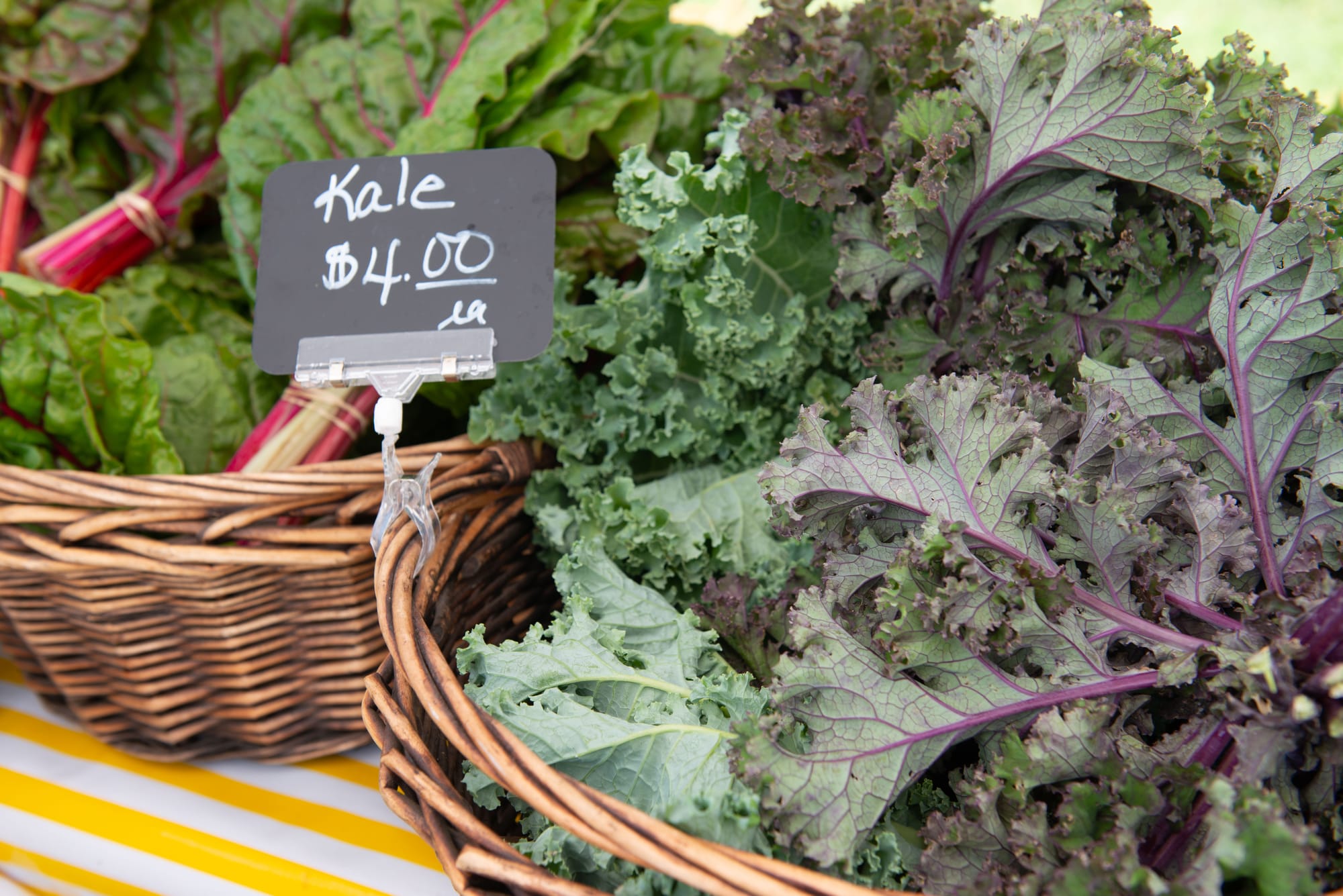
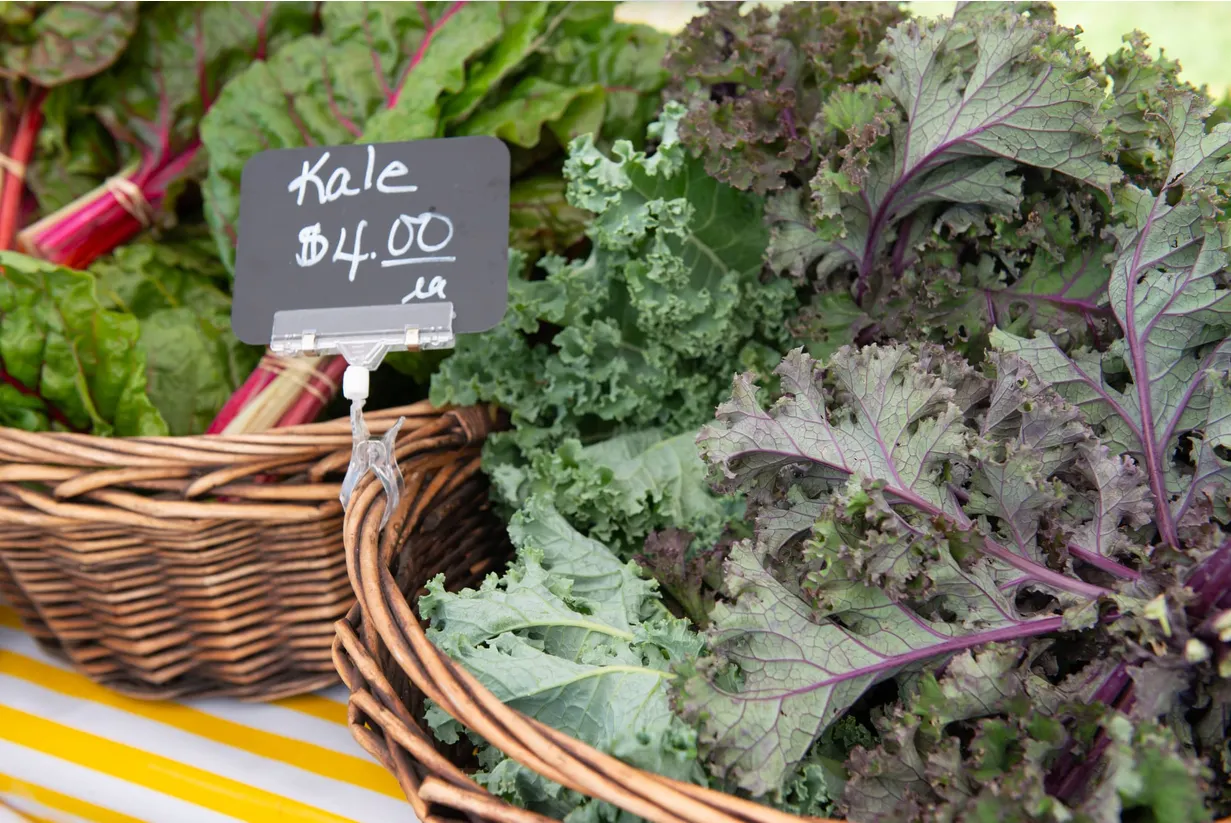
Lettuce [let us] eat local. A Cyclospora outbreak has made food safety one of the top news stories in the country. Many people are left wondering: what produce is safe? How do we eat in a way that's nutritionally healthy while also staying safe from the outbreak? I have a suggestion: eat local! And opt for whole veggies over pre-cut options. As a busy working mom I hate to say this, but bagged salad is not your friend. I've shared a DIY replacement for this easy staple at the end of the article.
The fewer hands that touch your food, the better. Fewer food handlers means a lower chance of contaminants making their way onto your produce. Pre-chopped bagged salads are known to be riskier than whole heads of lettuce. Large batches from multiple fields get mixed together, meaning one bad leaf could taint an entire production line. Products labeled "pre-washed" aren't necessarily safe, either — Cyclospora is a stubborn, sticky bugger that clings to leaves even in the wash tubs. Iceberg lettuce has been identified as the likely culprit in this outbreak, but I'm skipping all bagged salads for now. If you're out at a restaurant, I'd skip the iceberg too and opt for kale or romaine.
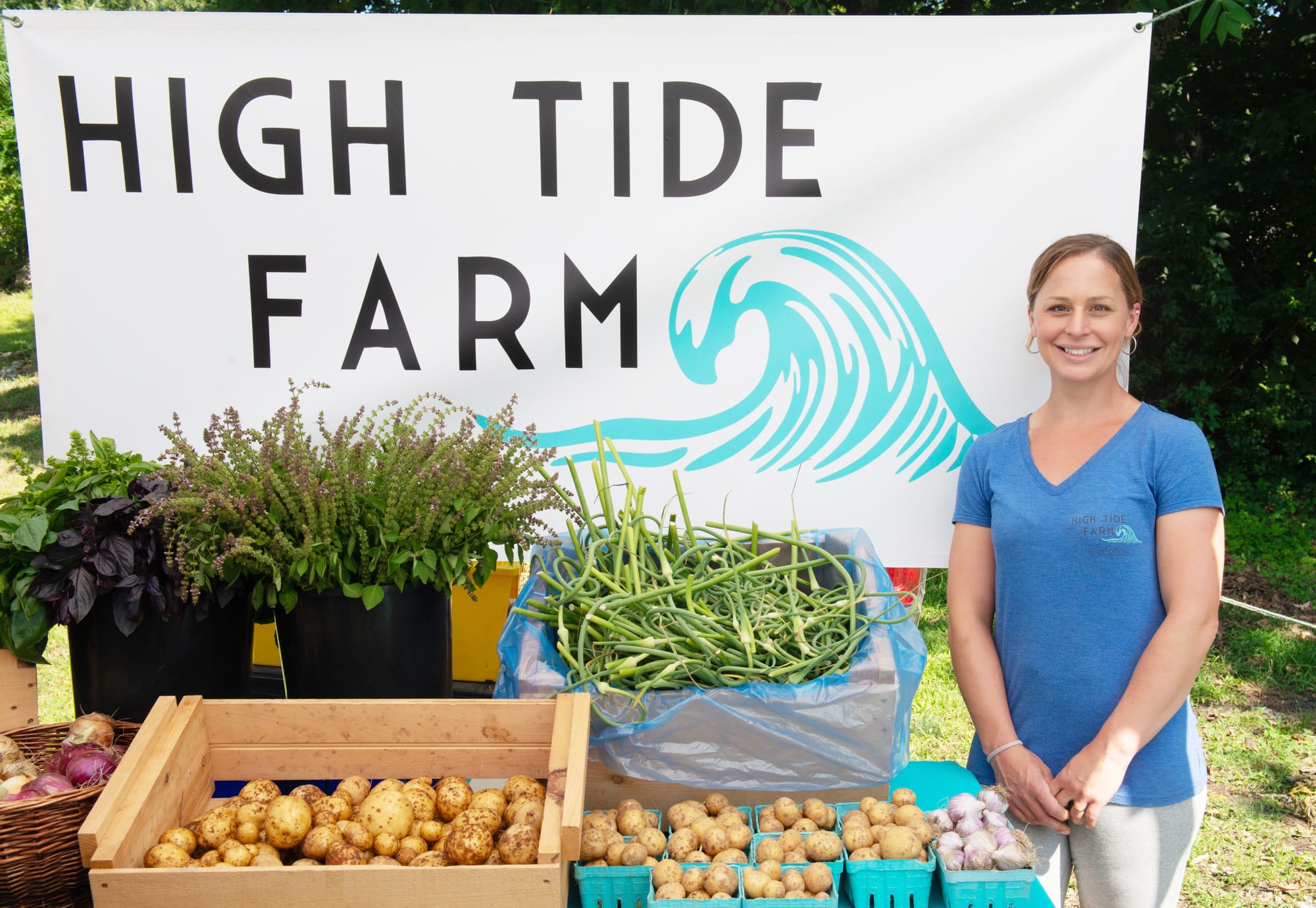
"Know Your Farmer, Know Your Food," the slogan of a 2009 Department of Agriculture campaign, remains sound advice. The program advocated that reconnecting consumers and institutions with local producers would stimulate economies in rural communities, improve access to healthy, nutritious food for families, and decrease the resources needed to transport food.
Produce contains the most nutrients when it's freshly picked, and the shorter the distance it travels, the better. Shopping local keeps money in local communities. Transportation of goods is costly and environmentally unfriendly. Add it all up, and you begin to wonder why we don't all eat locally grown food. The biggest barrier to shopping at smaller local farms is often the increased cost. That's not surprising — as food costs have soared, many families have to choose the least expensive options, no matter how desirable local food might be.
I urge my friends and neighbors who are financially able to support local markets and local farmers — there are several options each week:
- Monday: Beverly Farmers Market at Odell Veterans Memorial Park, 3–7 p.m.
- Thursday: Lynn Farmers Market on the Lynn Common, 11 a.m.–3 p.m.
- Thursday: Salem Farmers Market at Derby Square, 3–7 p.m.
- Saturday: Marblehead Farmers Market at Veterans Middle School, 9 a.m.–12 p.m.
- Sunday: Swampscott Farmers Market on the Town Hall Lawn, 10 a.m.–1 p.m.
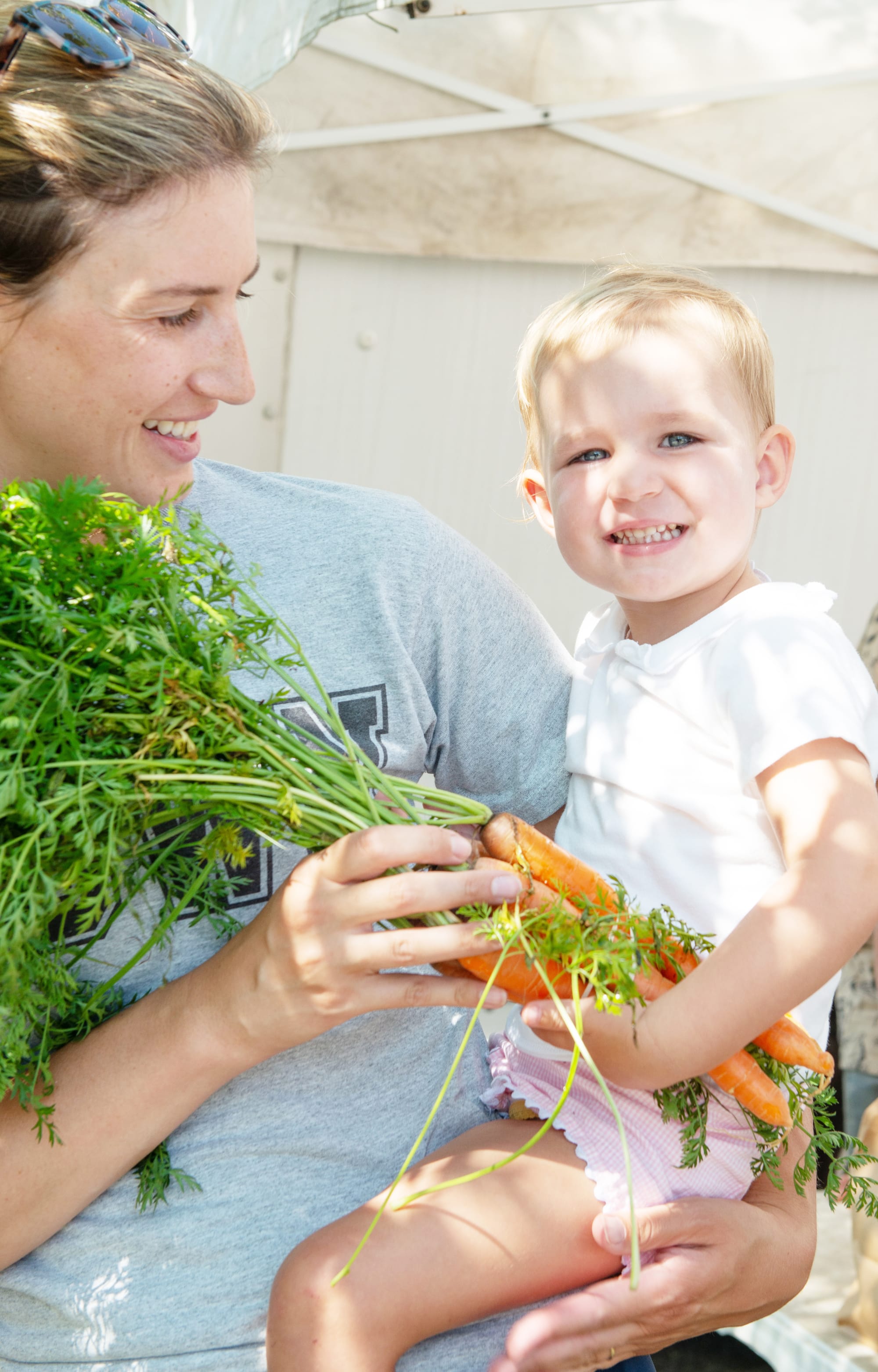
High-quality local food has always been available to those able to afford it. When financially secure families choose to support local food sources, they help make that food more accessible to others, too. Local farmers markets in Lynn, Beverly and Swampscott accept SNAP (Supplemental Nutrition Assistance Program) benefits through a program called HIP (Healthy Incentives Program). This program needs its own PR campaign as it's currently underutilized. Beneficiaries can get an additional $40–$80 per month to spend at participating farmers markets. For more information about SNAP, reach out to The Salem Pantry at thesalempantry.org.
I hope I've convinced you to try shopping at the farmers market — now what should you buy? Do you miss the ease of pre-bagged salad? I'll admit, I love how fast it is. Not to worry, here's a shopping list and recipe to make a base "bagged salad dupe" mix at home.
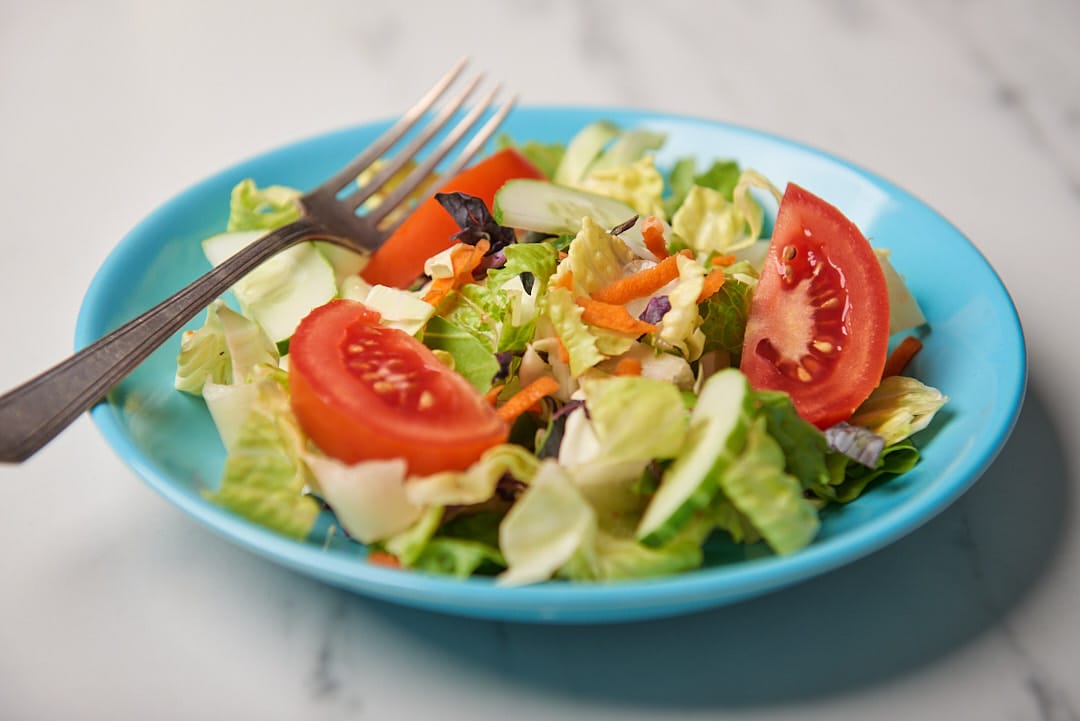
Bagged Salad Dupe Recipe
- 1 head romaine lettuce
- 6 leaves green cabbage
- 3 leaves red cabbage
- 1 carrot (shredded)
This base mix can be used as a shortcut for many of your favorite salads.
For classic steakhouse side salad: top with shredded cheddar, tomatoes, cucumbers and Ranch dressing.
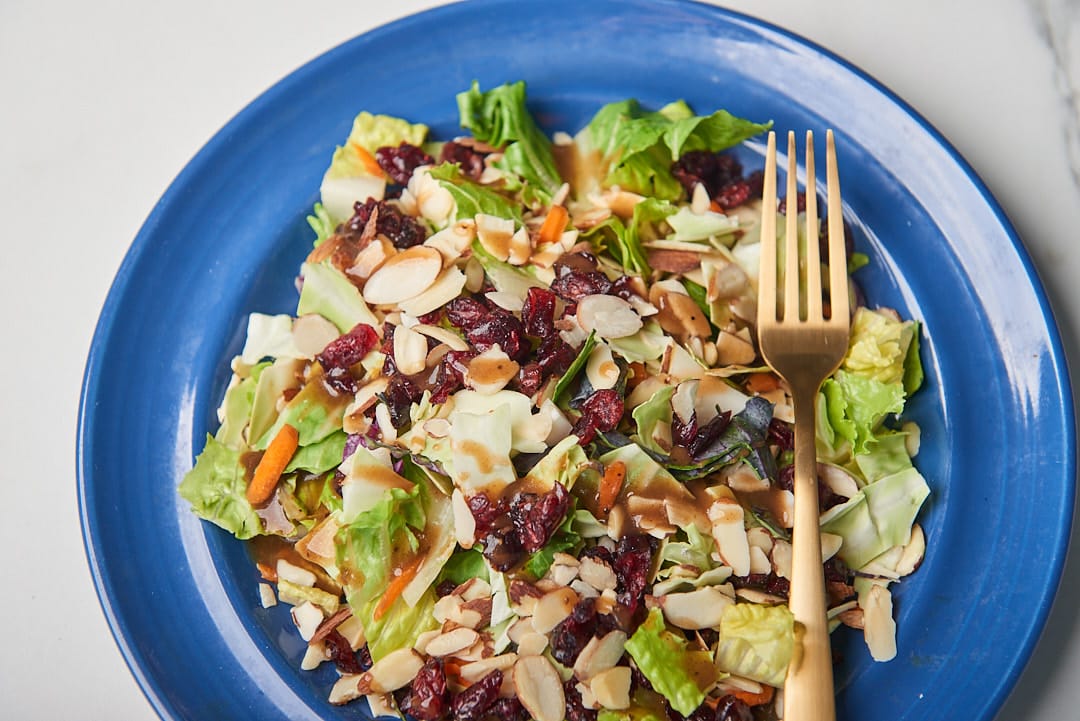
For sweet balsamic salad: top with almonds or walnuts, feta, dried cranberries and/or fresh fruit like apples or strawberries.
To prepare: Rinse all your produce and dry thoroughly. (Tip: if you peel the outer leaves off your head of cabbage and store it in a ziplock bag, it will keep longer in the fridge than if you cut into it.) Roughly chop your "pile of leaves." Shred your carrot on top. Mix well and store in an airtight container — this will keep for 7–10 days. Add toppings and dressing to each serving just before eating.
Do you have a local food story that you'd like to see me cover? Send me a note at hello@katiering.com. You can see more of my farm photos and videos here: http://instagram.com/katiering