Table of Contents
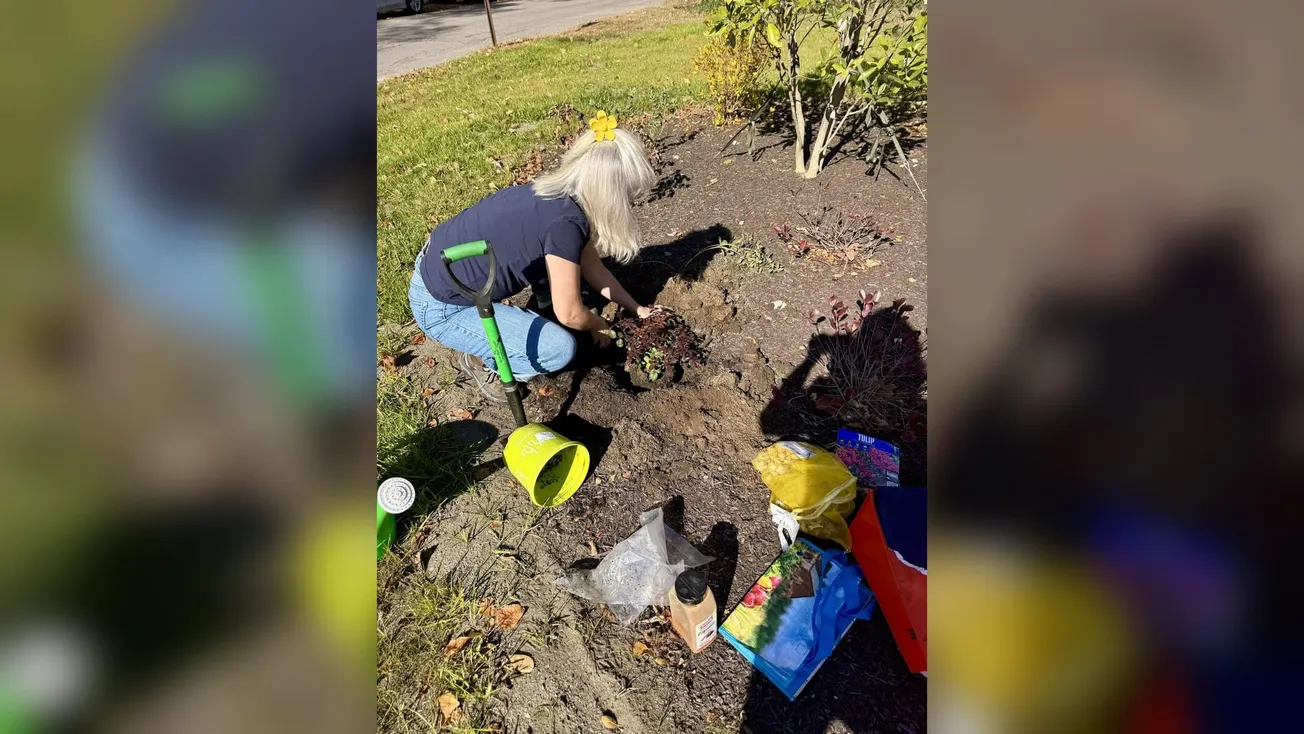
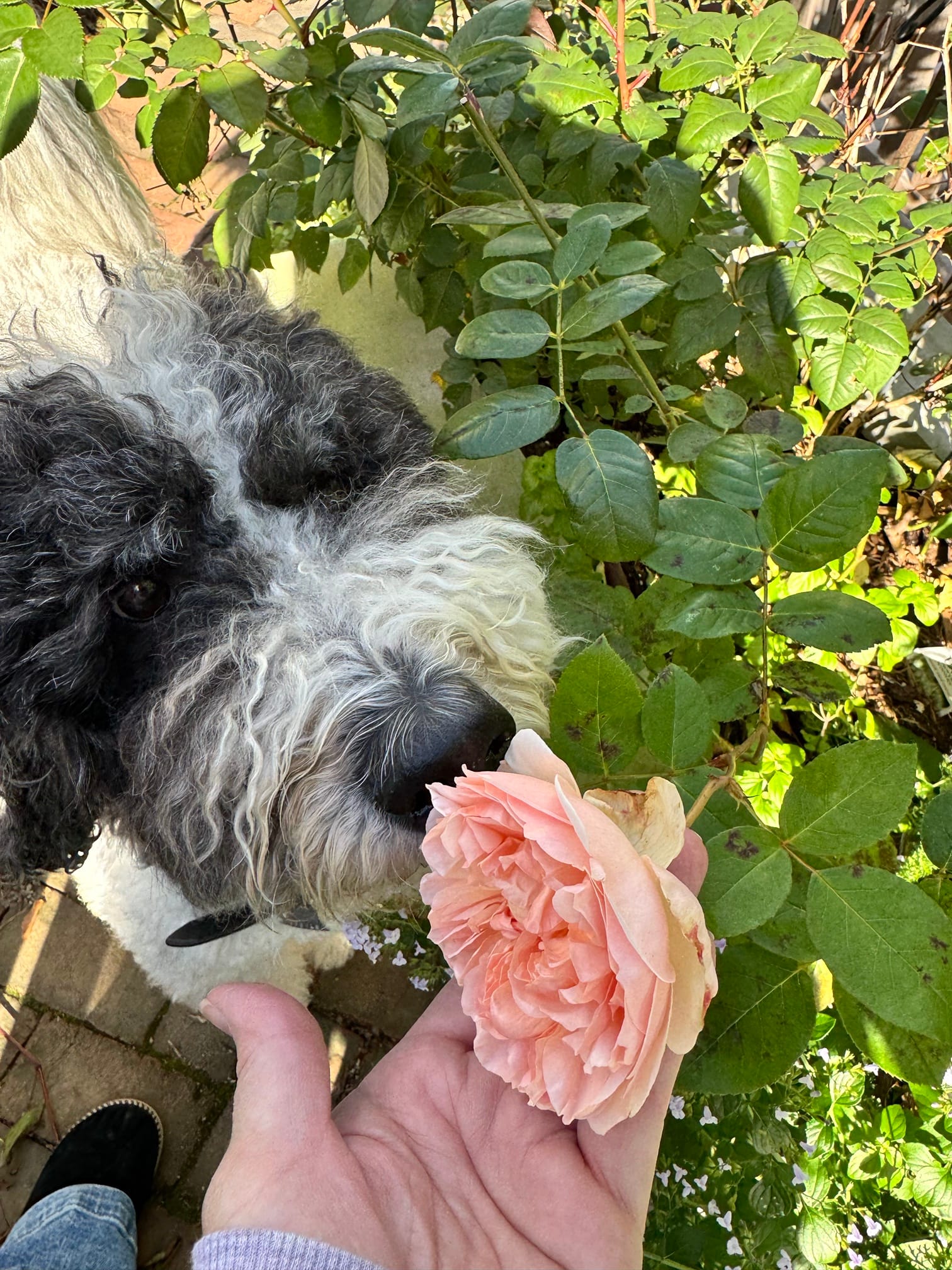
Gardening is a gift. Not the kind that comes wrapped with a bow, but the kind that multiplies the moment you share it. Yesterday I coined a new term: a sister garden. I brought one to a dear friend who has had a tough year: an exact rose from my own garden, plus a bag of the same spring bulbs I am planting this fall, a little fence and some compost. Everything fit neatly into a grocery bag. I planted it for her, explaining as we went, and felt that quiet, deep pleasure of getting my hands into her soil. She was so appreciative and excited. She is not a gardener yet, but I hope she becomes one. Now when she looks out her window she will see exactly what I see when I look out mine: our twin-sister gardens.
That is the heart of it. A garden is never just plants. It is a living gift you can hand to someone you love, and in the giving it somehow becomes a gift back to yourself. The skills, the stories, the bounty, all of it travels outward and returns as joy.
Gardens provide so many gifts…
Strange how the leaves have not all fallen off the trees yet. I need those leaves for my leaf mulch. I’m ready — why aren’t they dropping? There are other things we can do while we wait for fall to finish happening. Like plant spring bulbs.
Bulbs are half off at Home Depot right now. Yesterday there were still quite a few available, and Colorblends has them online as well. While the weather is nice, get out there and toss some into a pot. Now is the time to empty what you have in your containers — dump the spent annuals or tired mums. Put in some fresh soil, add tulip or daffodil bulbs, cover them with 4 to 5 inches of more fresh soil, water well and store the pots in an unheated garage. Cover the containers with something so the chipmunks and squirrels can’t find them before spring. I use the bags the bulbs came in, netting, chicken wire or sometimes just cardboard and bricks — whatever I can find in the garage.
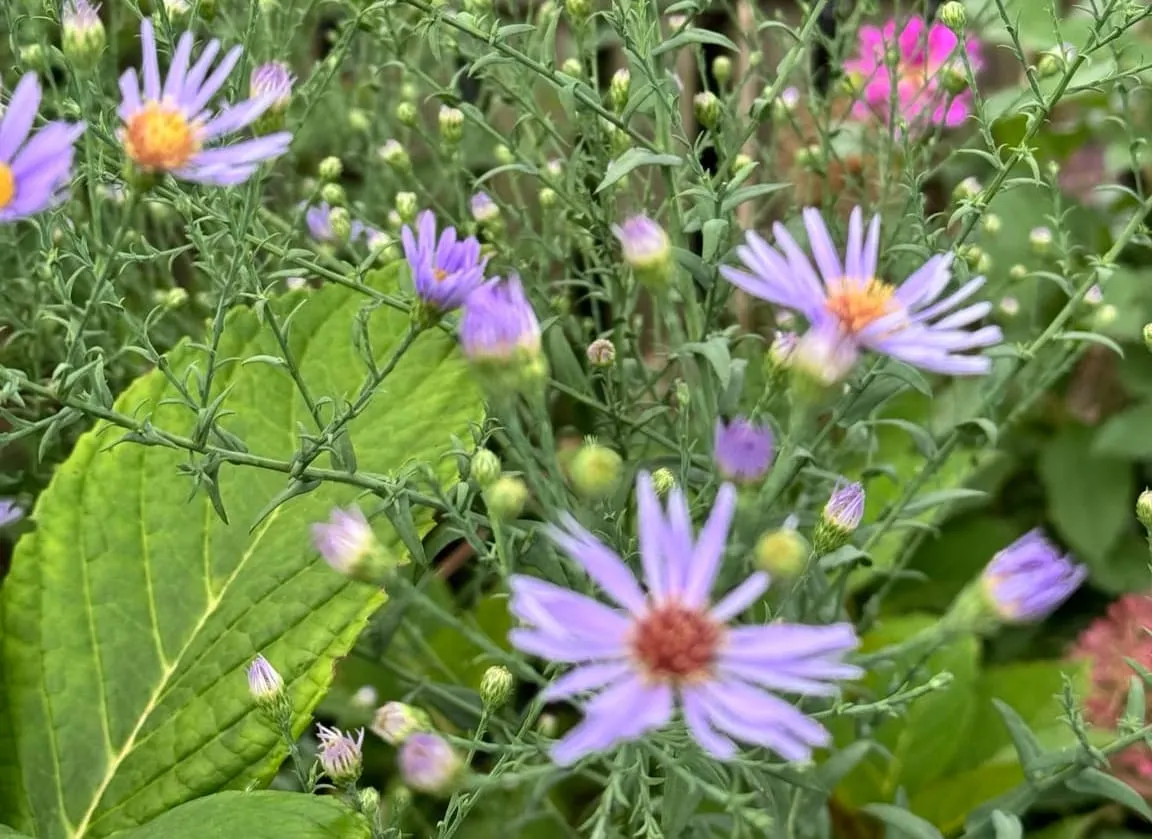
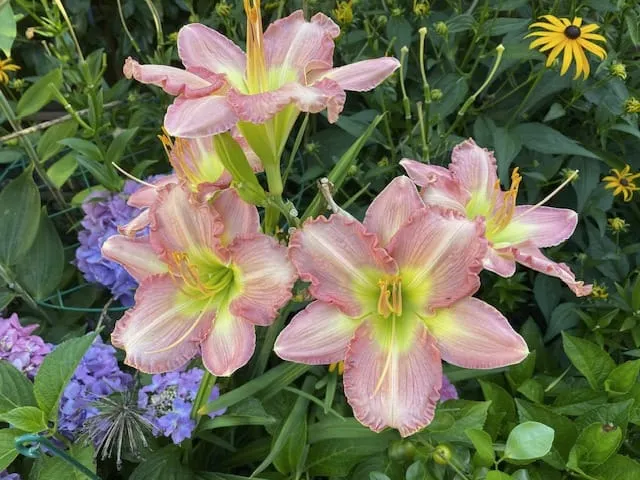
Enjoy your hardy mums and asters while they last. Take a walk around town and see what’s still blooming, then make a note for next year. The Sheffield Pink chrysanthemums are the prettiest right now. There’s a house across the causeway, just as you get onto the Neck, that has a gorgeous display. (My own Sheffield Pink mums come back every year; photos below.) My cosmos and dahlias are still blooming even though we’ve had temperatures in the 30s recently.
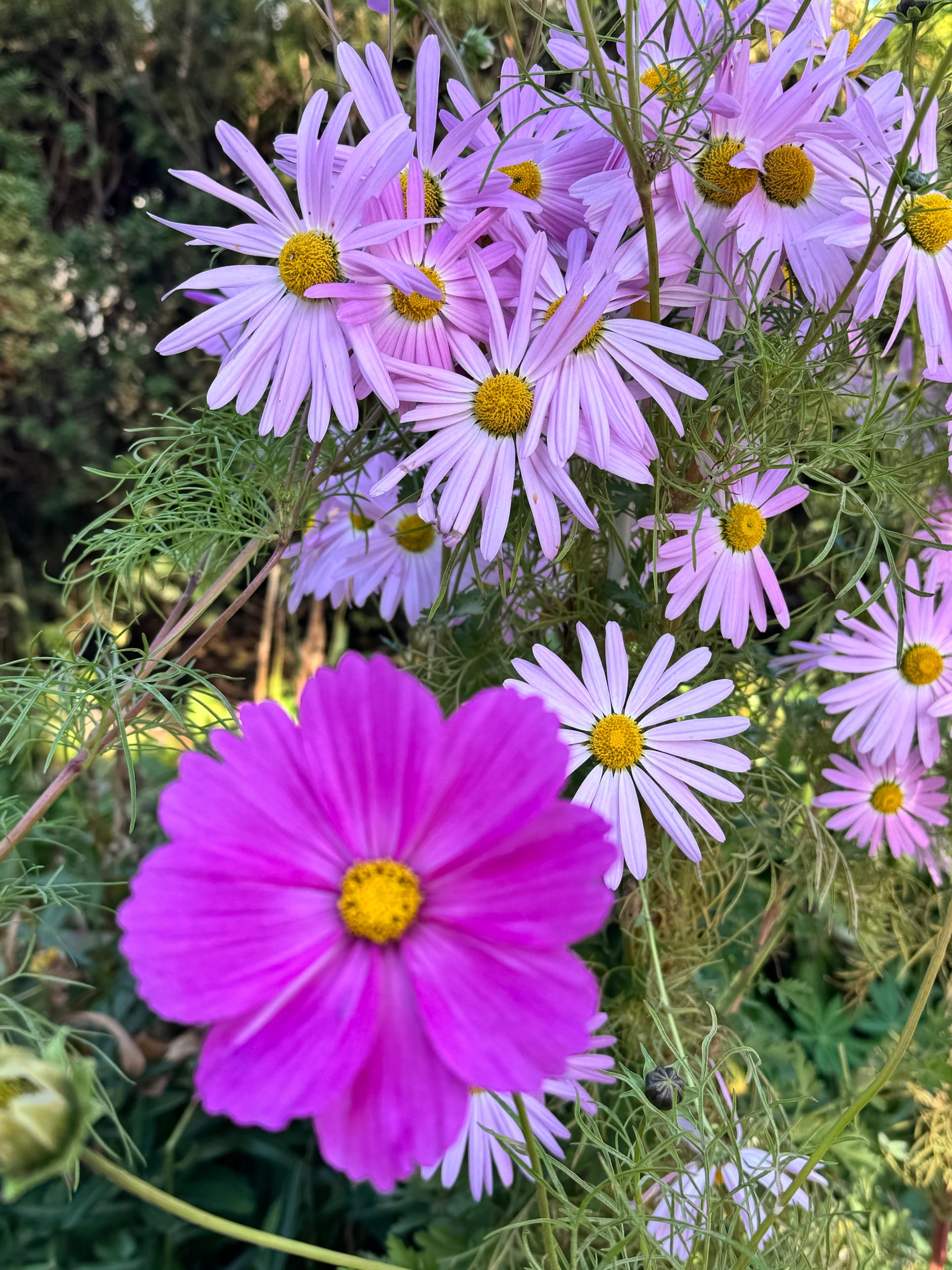
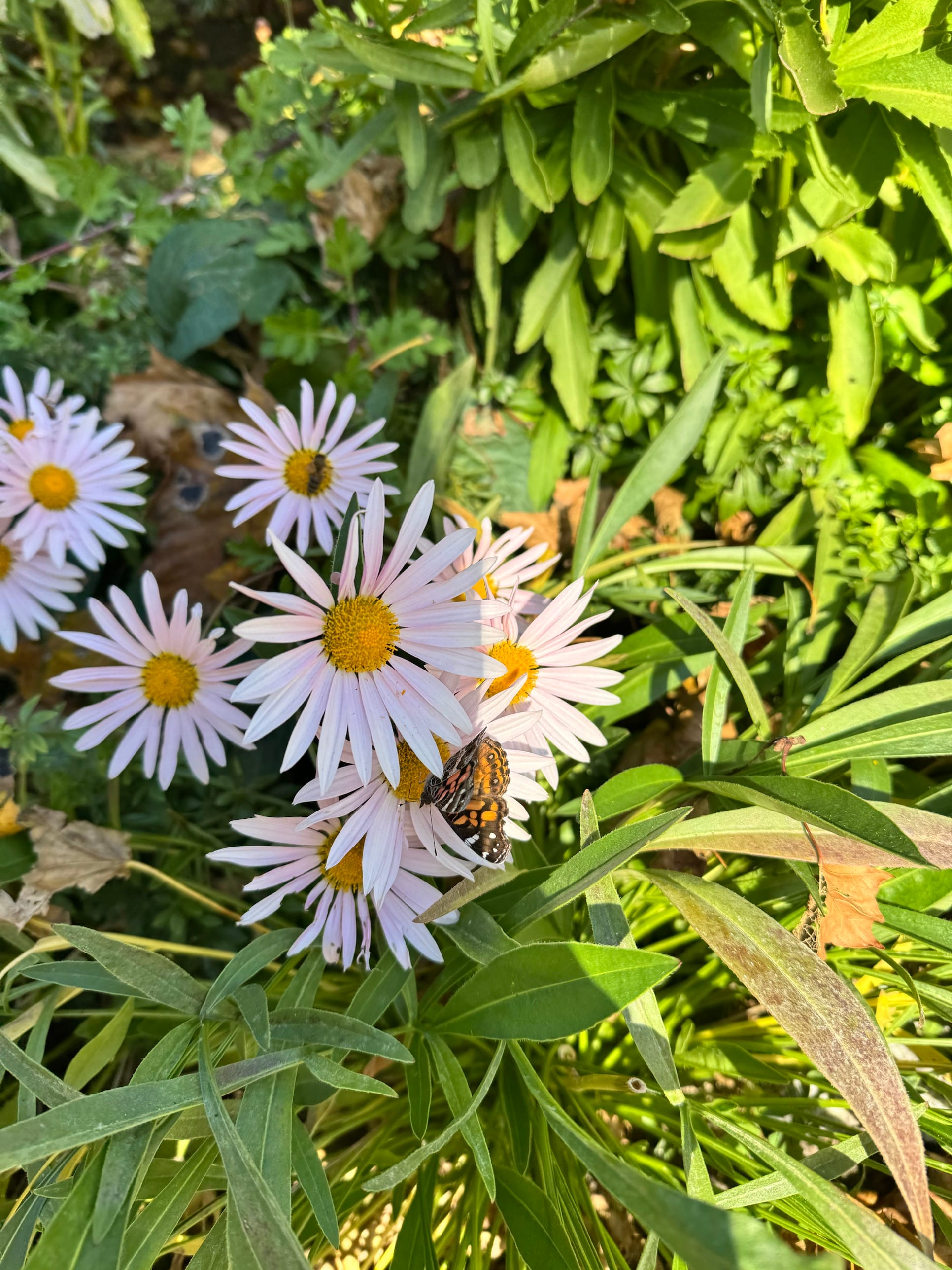
Reliable fall bloomers, Sheffield Pink and Apricot chrysanthemums are abundant now. INDEPENDENT PHOTOS / COLLEEN CONNOR
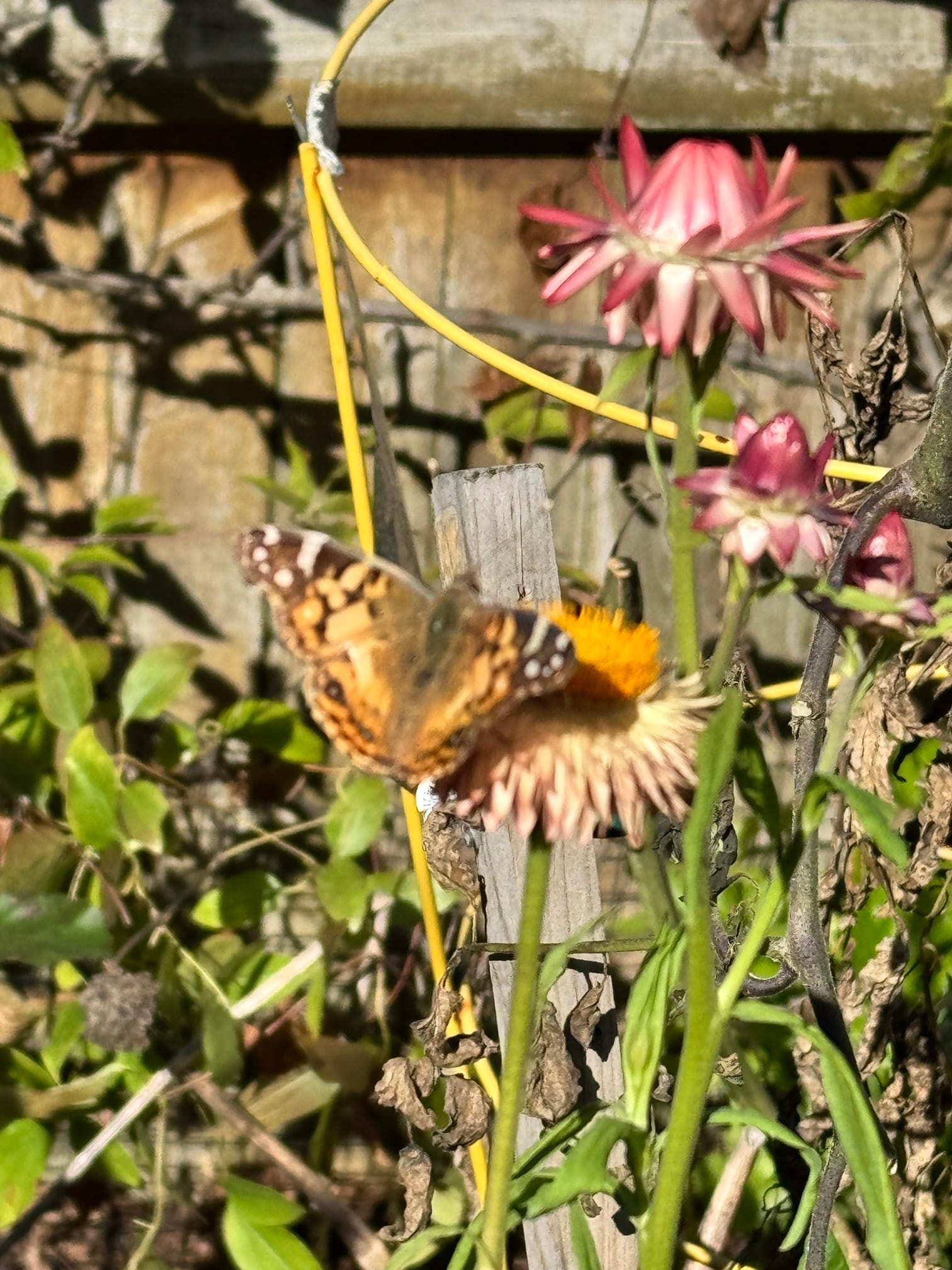
Speaking of dahlias, if you plan to save your tubers, it does take a little planning. I try to keep it as simple as possible: dig the tubers up, brush them off, place them whole or divided into a bin with vermiculite and store them in my bulkhead, where I keep the temperature around 38 to 40 degrees. This year I tried something new as an experiment: I grew them in wire bags in the ground, and they were the easiest ever to dig up. I really just pulled them out.
I take protecting my roses seriously. Here in Marblehead the rabbits are a real problem; they will eat the stems right down to a nub. Our winter pattern of snow, melt, rain and freeze can also cause a lot of dieback. Each of my roses gets a wire cage all the way around it with holes too small for a rabbit to squeeze through. The cages are 16 to 24 inches tall. That usually takes care of the rabbits. Then I fill each cage with a heap of compost around the base of the rose and top it off with chopped-up leaves, also known as leaf mulch. This protects the canes from both the weather and dieback. While I’m adding the compost I snip off any twiggy stems smaller than a pencil and any dead or diseased wood. Burn these twigs; do not compost them. That’s it. Here is a link to the ready-made cages I like for smaller, younger roses. I researched the Amazon listings and reviews, and these are the ones I just bought.
The houseplants are now safely inside; here’s hoping I caught all the hitchhiking bugs. I dipped each pot in a bucket of castile soap mixed with insecticidal soap, then sprayed the plants with the same mixture, making sure to get under the leaves. I feel fortunate to have several plants blooming right now in the sunroom. In addition to all my jasmines and citrus, I’m trying to bring a gardenia through the winter this year. I’ll let you know how it goes. It hasn’t worked out in the past, but my bug game has improved over the years.
I’m just starting my spring bulb planting in the ground. I’ve put in 100 Greigii tulips (reliable perennials for me) and 200 muscari, the little blue grape hyacinths. It sounds like a lot, but the bulbs are small and I plant five to seven in each hole. I like to plant them in drifts and small groups all through the beds. I can barely wait to see how they’ll look in the spring, and now my dear friend has the same bulbs in her sister garden! I’m also excited to help start a Cottage Gardeners of Marblehead and Swampscott project over at the Marblehead Veterans of Foreign Wars, where we plan to plant red, white and blue bulbs for veterans. All of this bulb planting can be done between now and when the ground freezes. I feel safe going right up until Thanksgiving. Once the bulbs are in, I can dream all winter about how amazing they’ll look in spring. I don’t add any fertilizer to the bulbs or the soil around them — they don’t need it. I do add plenty of Goya cayenne pepper from Market Basket while planting to keep the squirrels from digging them up. Any chili pepper will work. Put a reminder on your phone to sprinkle more in April to deter the rabbits.
Preparing the beds for winter comes after the bulbs are planted. Then, and only then, can we finally put the beds to bed. It’s not ideal, but I recommend waiting until the ground is frozen before adding mulch. That can feel like a tall order. It helps if my husband builds a fire in the outdoor fire pit and there’s some wine or hot cider waiting for later. The fire is perfect for burning diseased rose canes or other sticks you don’t want in the beds or compost. The idea is to make sure the vermin have settled in elsewhere and the ground is solidly frozen before you put the mulch down. Of course, by then who wants to drag out heavy, wet or frozen mulch? And good luck finding mulch this late in the year! I use pine bark nuggets, and Agway is my go-to. I’d get it now while you can. It doesn’t have to look pretty; just dump it over the beds where you’ve planted bulbs and around any special, tender or newly planted perennials. Then you’re done!
Colleen Connor, our garden columnist, is co-president of the Cottage Gardeners of Marblehead and Swampscott.