Table of Contents
There is a rhythm to gardening
Before the rain.
After the rain.
Before the heat.
After the heat.
This is how I pace myself and plan my gardening jobs on sweet summer days. Certain gardening jobs fit nicely into certain types of weather patterns. There is a rhythm that starts to take shape in my garden.
I go outside with my first or second cup of coffee and sit in my chair and take it all in. I notice things. I see what is working and what needs attention, like the Japanese beetles on my roses. Often, I start some watering or deadheading, and before I know it, it is 4 p.m.
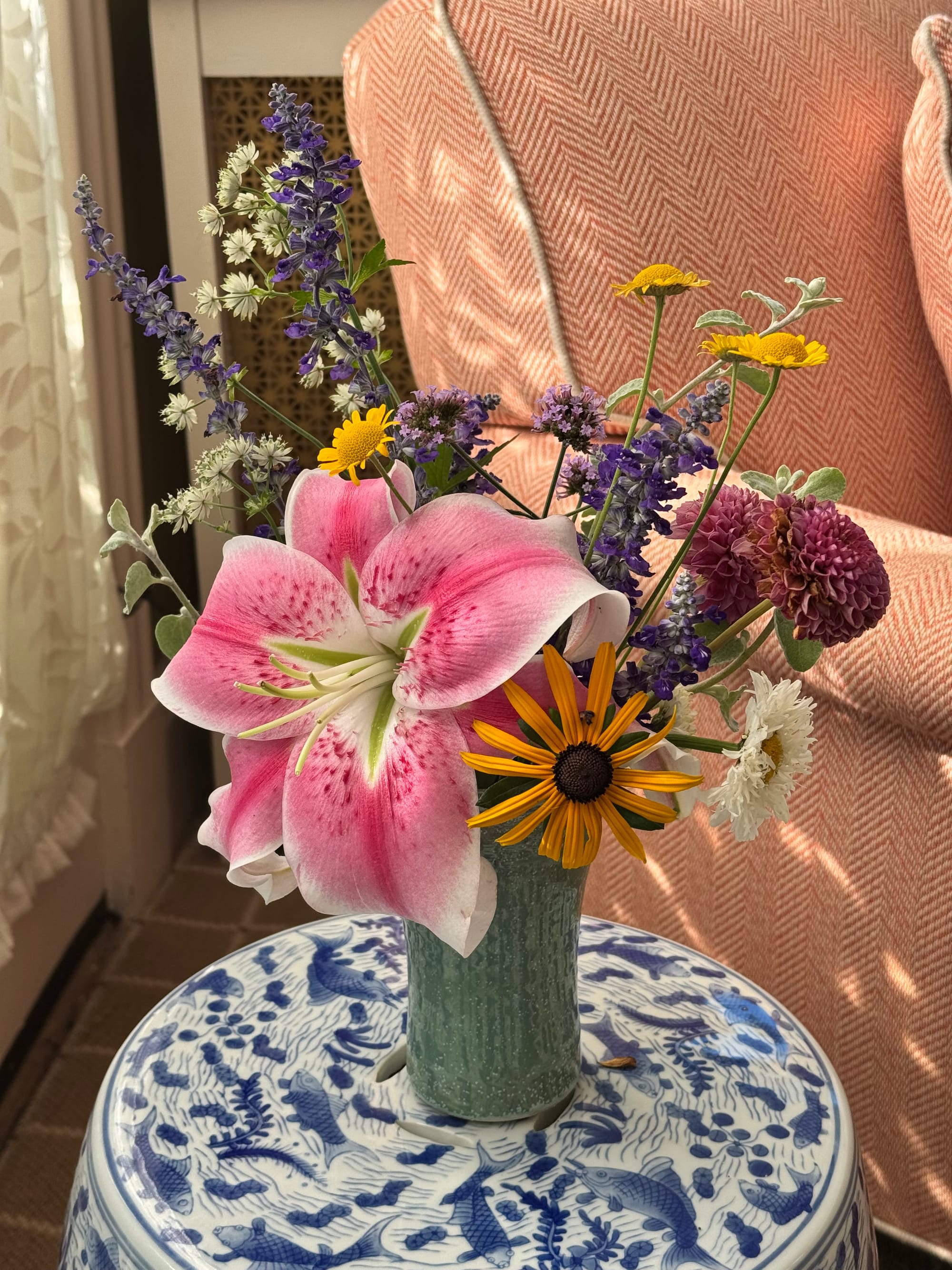
Here are ideas to get you started:
Before the rain
Before the rains come ("Africa" by Toto playing in my head and now in your head too), I go out into the garden and use up all my fertilizers and stinky fish feed products. I know the rain will help dissolve the granular fertilizers into the soil. I also like to think that the stinky fish emulsion from Neptune's Garden that I spray or pour around my 100 roses will smell slightly less deadly once the rain saturates it. I feed my roses after they have the first big flush of flowers. I feed my annuals in pots almost weekly. (Link) I love the rain. It motivates me to feed and fertilize everything and keeps the garden going all summer.
After the rain
Just after a big rainfall, I inspect and walk around and check on things. I noticed two of my downspouts were dislodged. I made a note to myself to fix them before the next big downpour.
To be fully honest, my dog Digby chews the plastic downspout right off to get at the chipmunks who, for some insane reason, enjoy cavorting in his yard and hoarding all kinds of nuts and seeds in the plastic downspouts. The cycle of fighting the chipmunks is Digby's weekly entertainment.
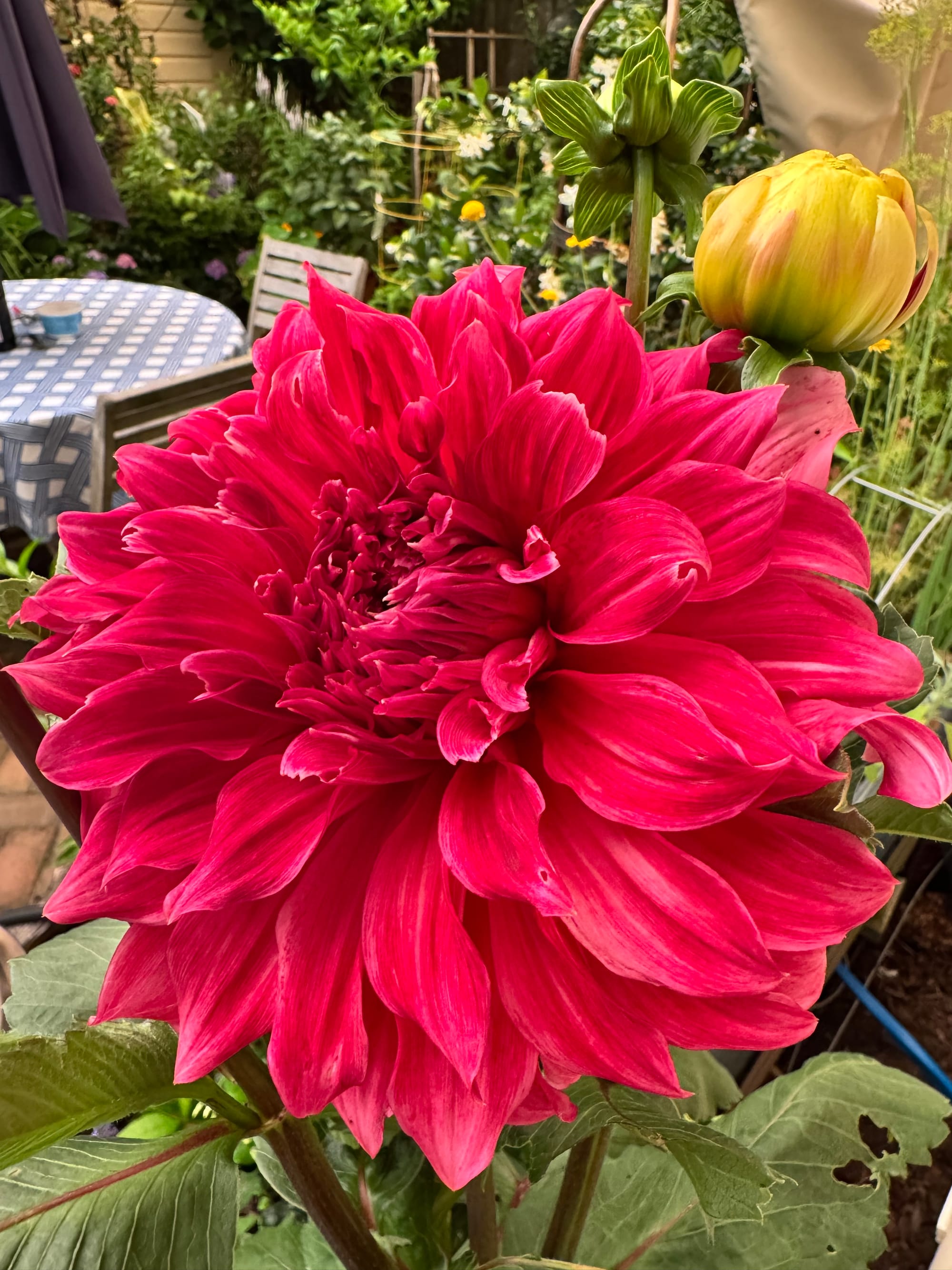
Sometimes, I miss things, like my gorgeous dahlia, which was just opening up its first beautiful bud. The wind knocked it right over. I had it staked up, but not well enough. Thankfully, it did not break off at the base. It just bent. I restaked the dahlia before the next gust arrives.
Also, after a good downpour is a really great time to weed. That chickweed, which pops up everywhere on the street side of our property, will take just a little tug and then slide out easily after a good amount of rain.
Before the heat
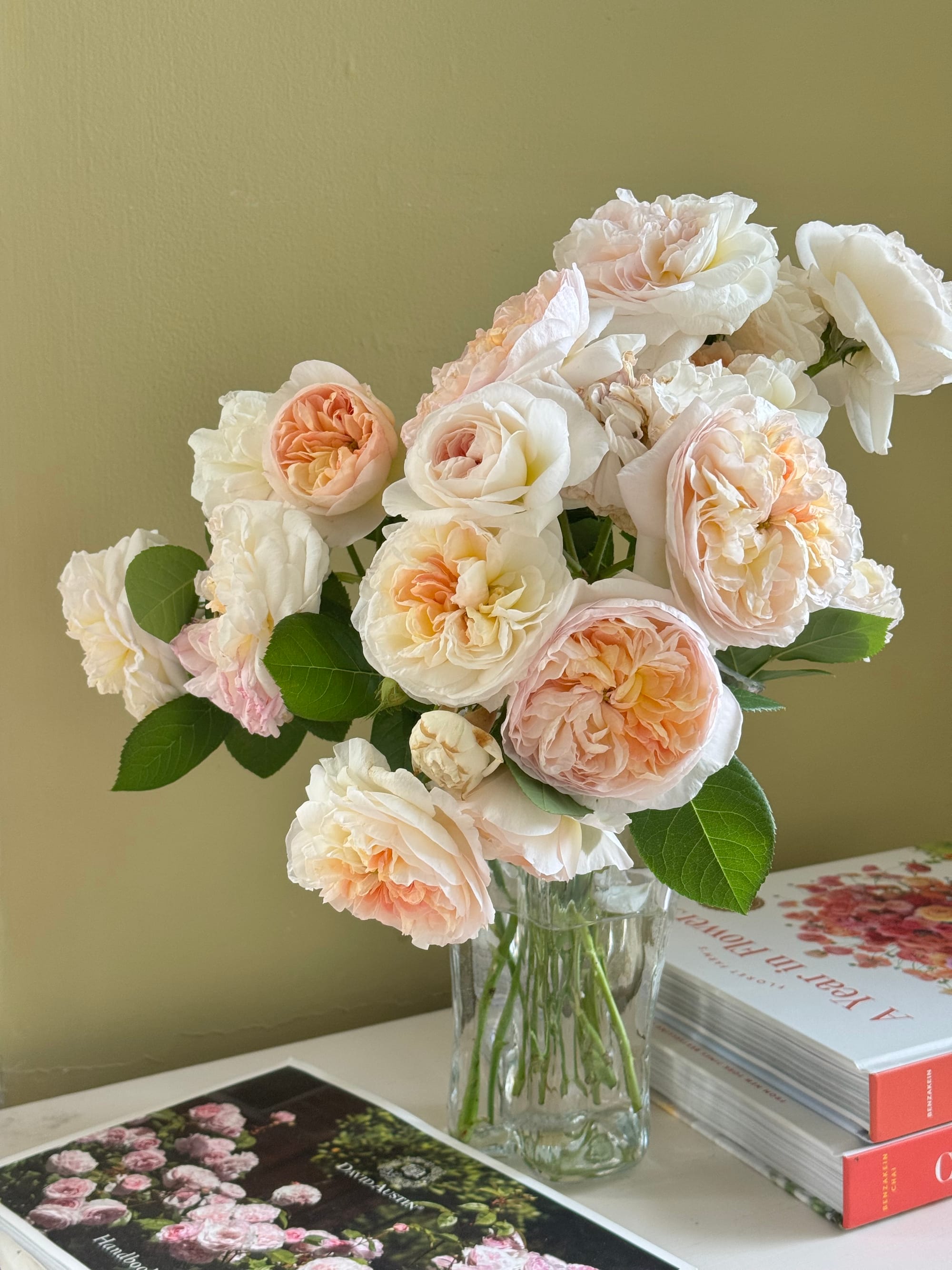
Before the heat, I recommend watering long and deeply in the morning. I let my soaker drip lines run for 30 to 40 minutes in my garden beds. My potted plants get a soaking until I see it come out of the bottom. I may put up my table umbrella to protect specific plants. I try not to water the foliage. I water at the base the best I can. I stay away from transplanting, pruning or even deadheading just before the 100-degree days. Although I do make several bouquets to bring indoors at this time, I know these roses and hydrangeas will not last long outside in 90 to 100 degrees, and I want to enjoy them.
After the heat
After the heat, when it is finally cool enough to spend more than 30 seconds outside, is when I lose track of time and forget to eat or talk to my family. After the 90-degree temperatures we just experienced, I found it was a good time to deal with fading flowers. Hundreds of my daisies and other flowers are fading and need to be deadheaded. The good news is they will rebloom if I deadhead them now. I follow their stems down to the next set of flower buds starting and trim the stems right above the buds.
I collect the spent flowers in a large bag or bucket and compost them. You can just drop the flower heads in your bed, but get ready for an explosion of daisies next year!
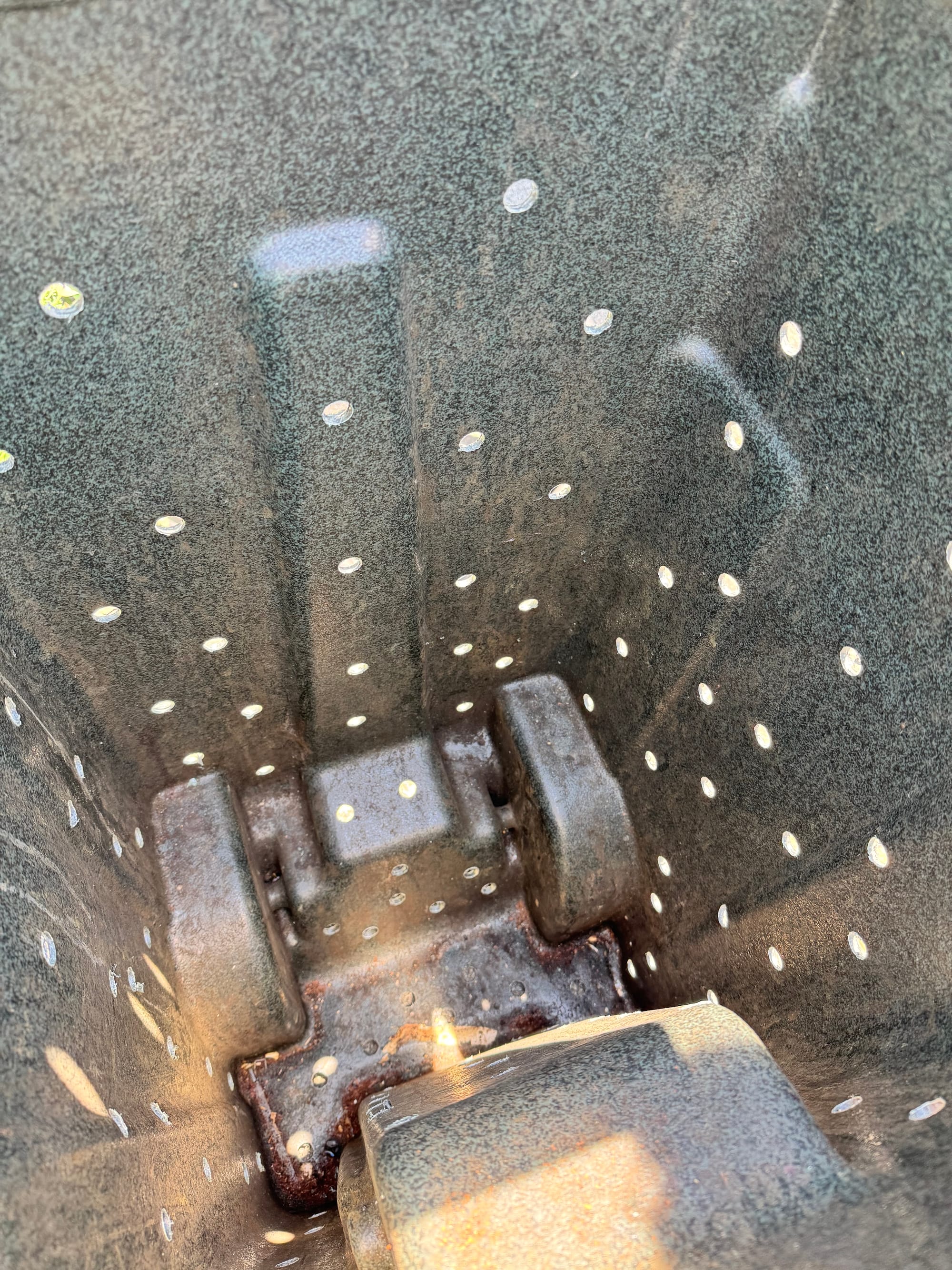
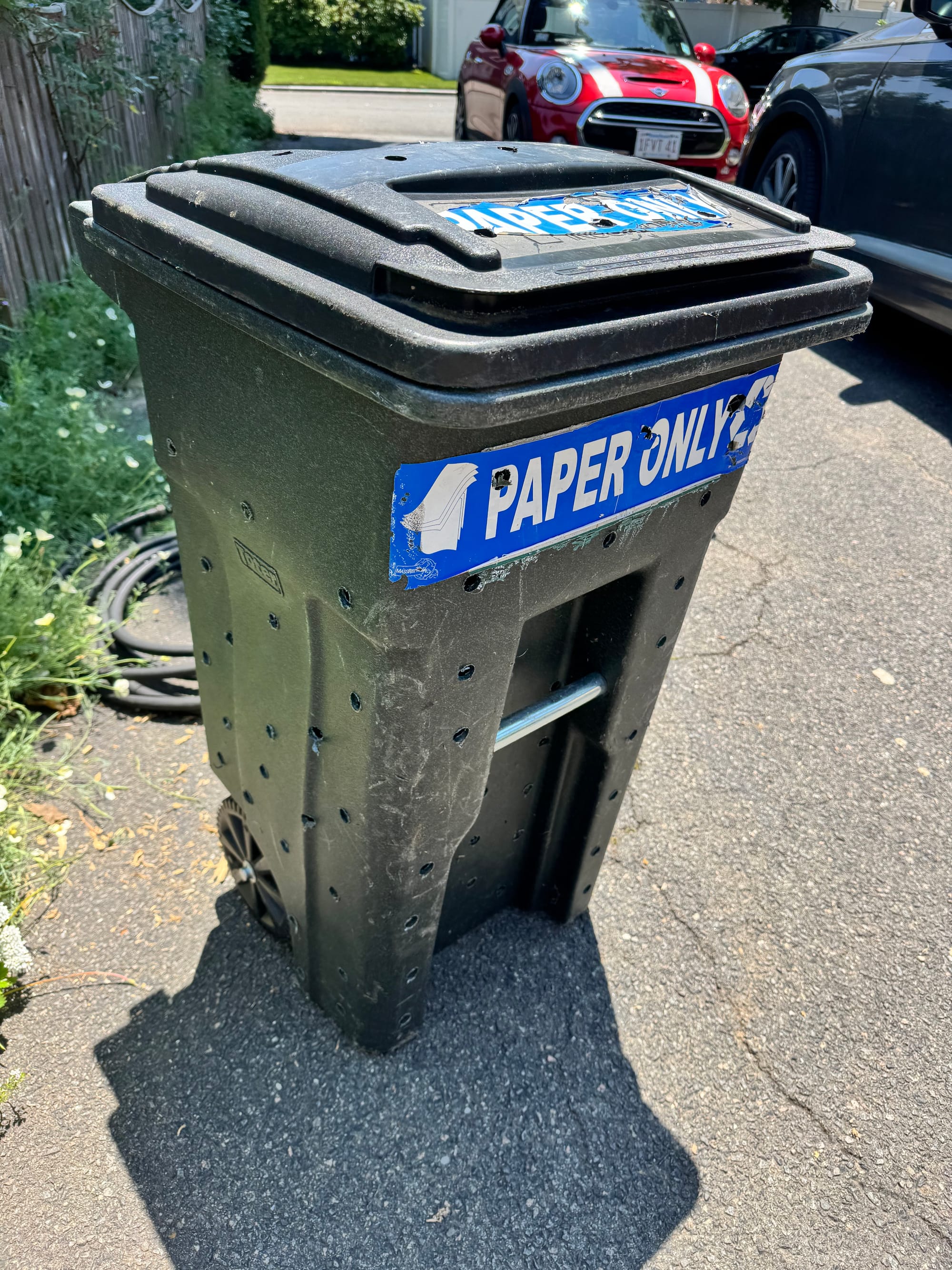
Speaking about composting, look at what I made out of my old recycling receptacle! I now have a handy place to throw all my cuttings, spent leaves and grass clippings. My husband drilled holes on all sides for aeration, and I just rolled it into a cutout I made in our hedge. I also took all the recycling stickers off because they just stuck out.
Insects and tasks to do now
Dealing with the Japanese beetles: I pick them off or brush them off into a yogurt tub filled with dish soap. They do not have a natural predator. Birds won't even eat them. Your choice of grub control at the appropriate time will help. There is a lot of misinformation on the web about Japanese beetles, and I have read it all. What I do know is Japanese beetles eat my roses, and I want them off the petals and hopefully not dropping down into my soil to make grubs. Dish soap death is the solution.
Don't fret about the other bugs. Meat-eating beneficial insects will eat most of the other bugs. Birds eat them as well. I occasionally spray off the aphids with my garden hose. Here is a great book on how beneficial insects are like a little army you need in your garden: https://amzn.to/3SG0xv2
Clean your water features. While it is cool out, I clean my simple water features. You should clean all of your water features as well. It prevents the birds from getting diseases, and it looks and smells better once you clear out the algae. I also recommend cleaning your bird feeders with a round bottle scrubber and a basic cleaner like a drop of dish soap and water.
Shop for spring bulbs. Now is a good time to look online at spring bulbs. Many of the preferred varieties sell out early. I highly recommend ColorBlends as a good online bulb source: https://www.colorblends.com
In the beds and vegetable garden. Now is a good time to harvest onions and garlic. Feed your tomatoes and melons. Reseed your lettuce this month. Cut back your nepeta, delphiniums and foxgloves. This is probably the last week to pinch back your mums and asters and shape them to keep them from flopping over in the fall. Oh no, did I just say fall?!